Apr . 16, 2026
In the high-precision world of air and liquid filtration, the consistency of pleats determines the overall efficiency and lifespan of the filter element. The automatic knife pleating machine has emerged as a game-changer for manufacturers seeking to eliminate human error and maximize output. By utilizing advanced mechanical precision, these machines ensure that every fold is identical, increasing the surface area for filtration while maintaining a compact footprint. Whether you are producing HEPA filters, automotive air filters, or industrial cartridges, upgrading to an automated system is the most effective way to scale production and ensure global quality standards.
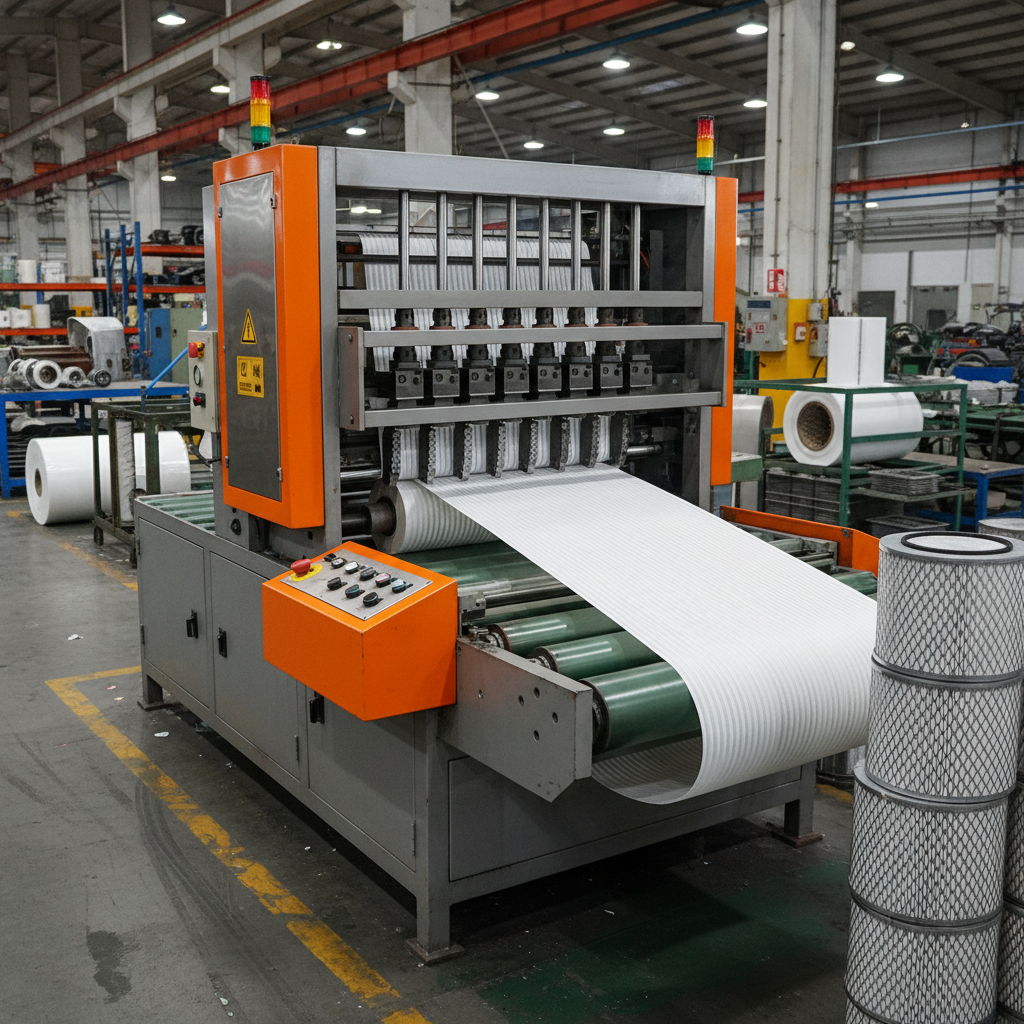
At its heart, an automatic knife pleating machine operates on a synchronized system of feeding rollers and a precision-engineered knife edge. Unlike manual folding, the automatic system uses servo motors to control the depth and frequency of the pleats with micron-level accuracy. This process is essential for materials that are prone to deformation, such as non-woven fabrics or specialized synthetic membranes. By automating the knife movement, manufacturers can achieve a "sharp" pleat that optimizes the air-to-cloth ratio, which is critical for preventing premature filter clogging.
Technical Insight: The use of high-grade alloy steel for the knife edges reduces wear and tear, ensuring that the automatic knife pleating machine maintains a consistent pleat height over millions of cycles without requiring frequent recalibration.
Transitioning from manual or semi-automatic processes to a fully automatic knife pleating machine provides a measurable leap in operational efficiency. Manual pleating is not only slow but is heavily dependent on the skill of the operator, leading to variances in pleat spacing. This inconsistency can create "dead zones" in a filter where air does not flow, effectively wasting expensive filter media. Automation solves this by providing a rigid, repeatable process that guarantees every unit meets the exact same specification.
Integration is key to maximizing the ROI of an automatic knife pleating machine. By connecting the pleating stage directly to the subsequent adhesive or assembly line, companies can create a seamless "continuous flow" production model. Modern machines often feature PLC (Programmable Logic Controller) touchscreens, allowing operators to switch between different filter specifications—such as changing pleat depth for a heavy-duty industrial filter versus a lightweight cabin filter—in a matter of seconds. This flexibility reduces downtime and allows a single machine to handle multiple product lines.
When sourcing an automatic knife pleating machine, it is crucial to look beyond the price tag and analyze the technical capabilities. The width of the feeding belt, the maximum pleat depth, and the speed of the servo motors will determine the machine's versatility. A high-quality machine should be capable of handling various media densities without causing fabric tears or creases. Below is a typical specification table for a professional-grade industrial pleater.
To ensure that your automatic knife pleating machine delivers a consistent ROI, a proactive maintenance schedule is non-negotiable. The most critical component is the knife edge; over time, friction can lead to microscopic dulling, which may result in frayed edges on the filter media. Regular cleaning of the feeding rollers is also essential, as dust and adhesive residue can cause slippage, leading to uneven pleat spacing. By investing in genuine replacement parts and following a strict lubrication guide, manufacturers can extend the machine's lifespan by several years.
Sustainability is no longer optional in the global trade market. An automatic knife pleating machine contributes directly to green manufacturing by significantly reducing raw material scrap. Precision cutting and folding mean that less fabric is wasted during the setup and production phases. Furthermore, the increased efficiency of the pleats means that filters can be designed to be more effective while using less material, reducing the overall carbon footprint of the final product without sacrificing air quality or filtration performance.
Investing in an automatic knife pleating machine is more than just a hardware upgrade—it is a strategic move toward operational excellence. By ensuring absolute precision, reducing labor costs, and minimizing material waste, this technology allows filter manufacturers to compete on a global scale. As industry standards for filtration continue to tighten, the ability to produce consistent, high-quality pleats will be the primary differentiator between market leaders and their competitors.
Filter efficiency is heavily dependent on the surface area available for trapping particles. An automatic knife pleating machine ensures that every pleat is spaced exactly and folded to the precise depth. This prevents "pleat bunching," where folds collapse into one another, and eliminates gaps where air could bypass the filter media. By maximizing the active surface area and ensuring uniform airflow across the entire element, the machine directly increases the filtration efficiency and extends the service life of the filter.
Yes, most professional automatic knife pleating machines are designed for versatility. They can handle a wide variety of materials including non-woven polypropylene, glass fiber, synthetic blends, and specialized treated papers. The key is the adjustable tension system and the precision of the knife. High-end models allow operators to adjust the feeding speed and pressure to accommodate thicker or more fragile materials, ensuring that the media is pleated without being stretched or damaged.
While ROI varies by production volume, most manufacturers see a full return on investment within 12 to 24 months. This is achieved through three primary channels: significant reduction in manual labor costs, a decrease in material waste due to precision folding, and the ability to increase total output per shift. Additionally, the reduction in rejected parts (scrap) due to human error provides an immediate boost to the bottom line. For high-volume producers, the ROI is often even faster due to the massive increase in throughput.
The replacement frequency depends on the abrasiveness of the filter media being used. For standard non-woven fabrics, the knife edge can last for several months of continuous operation. However, for reinforced or glass-fiber materials, the edge may wear down faster. We recommend a weekly inspection for signs of dulling or burrs. When pleats start to show slight fraying or the fold is no longer "sharp," it is time to sharpen or replace the blade to maintain product quality.
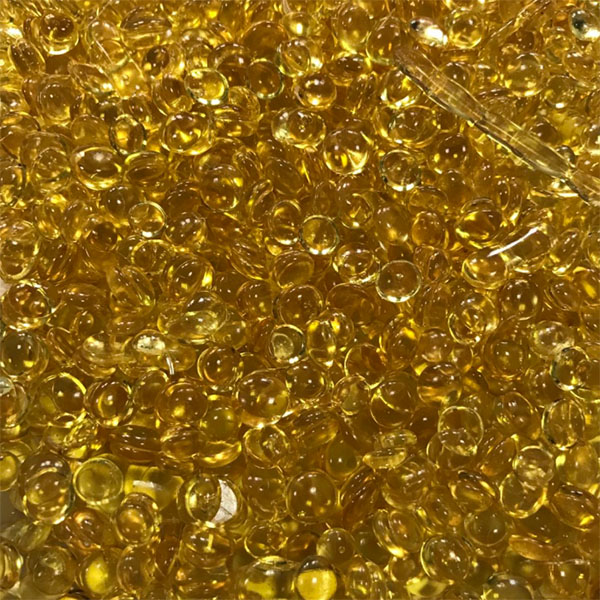
High-Performance Hot Melt Adhesive for Automated Production Lines
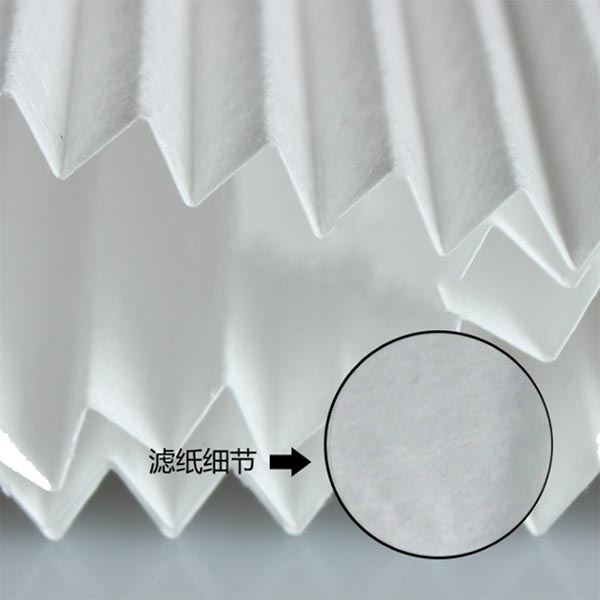
Efficient Screw Press Sludge Dewatering Machines for Sustainable Waste Management