Oct . 27, 2025
I’ve covered air quality for a decade, from smoggy trade-show halls to hospital cleanrooms. And, to be honest, carbon filtration has gone from “nice to have” to non‑negotiable in homes and offices. VOCs, odors, ozone drift—this is where activated carbon earns its keep. Below is a quick insider’s tour based on real buyer questions and lab notes.
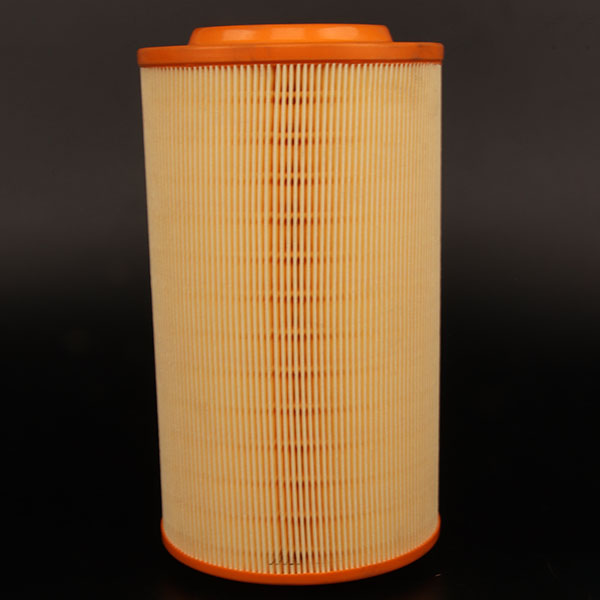
Made in East of Anping County, Hengshui City, Hebei Province, China 053600, this unit blends high-load coconut-shell carbon with a rigid frame—sturdy enough for purifiers and compact AHUs. Many customers say the odor knockdown is “surprisingly quick,” especially in new apartments and pet homes.
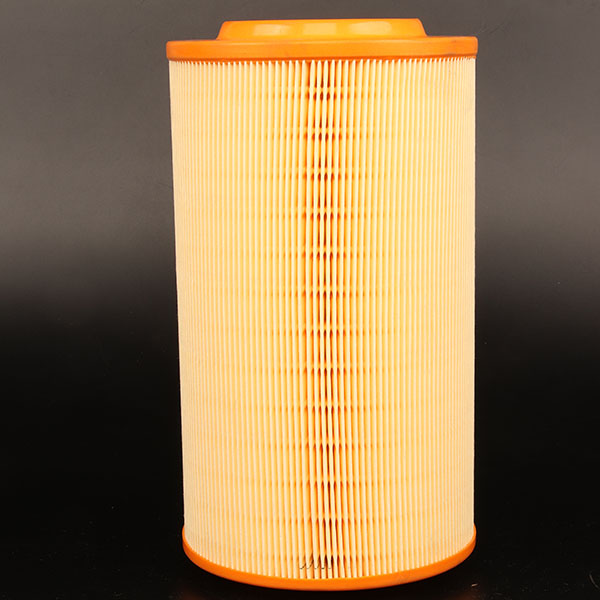
| Parameter | Heavy Duty Air Filter 29 |
|---|---|
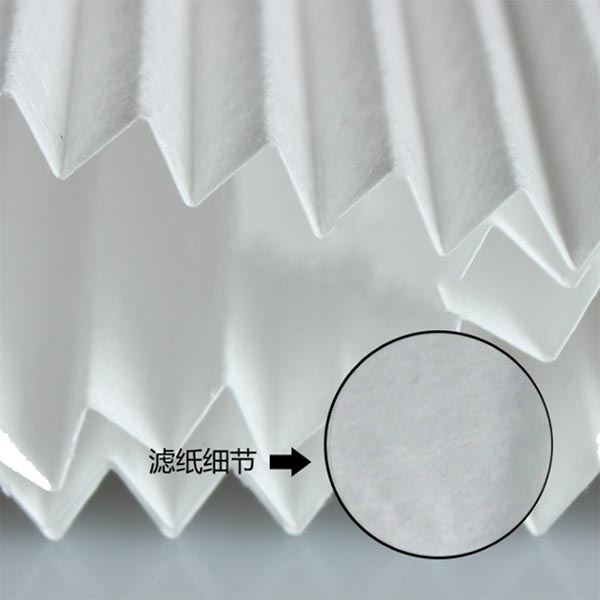
| Media | Coconut‑shell activated carbon + non‑woven prefilter |
| Iodine number (adsorption index) | ≈900 mg/g (real‑world use may vary) |
| CTC adsorption | ≈60% |
| Initial pressure drop | around 45–90 Pa @ 1.0 m/s |
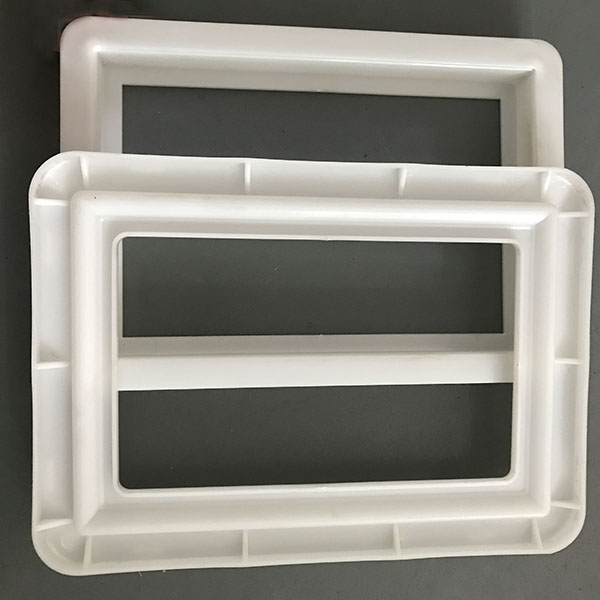
| Frame options | ABS / galvanized steel; sealed with PU or hot‑melt |
| Service life | 6–12 months or 1,500–3,000 h, depending on VOC load |
| Test references | ISO 10121 gas-phase; ISO 16890 (particulate companion filters) |
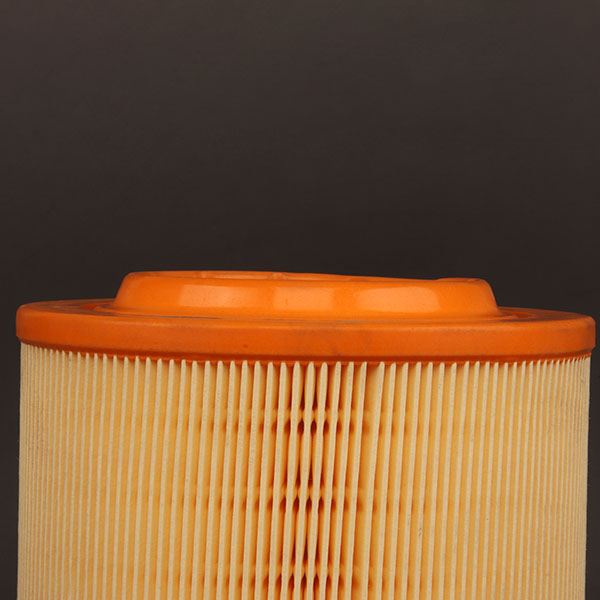
Materials: high‑iodine coconut carbon (4×8 or 8×16 mesh), non‑woven carrier, ABS/galv frame. Methods: carbon sieving and (optional) acid-wash; impregnation for formaldehyde/acid gases; honeycomb or packed-bed filling; vibration densification; PU edge sealing; preconditioning. Testing: pressure drop, leak test, ISO 10121 challenge gases (toluene, formaldehyde); odor panel checks. Service life is rated under continuous VOC exposure; real apartments and salons vary a lot.
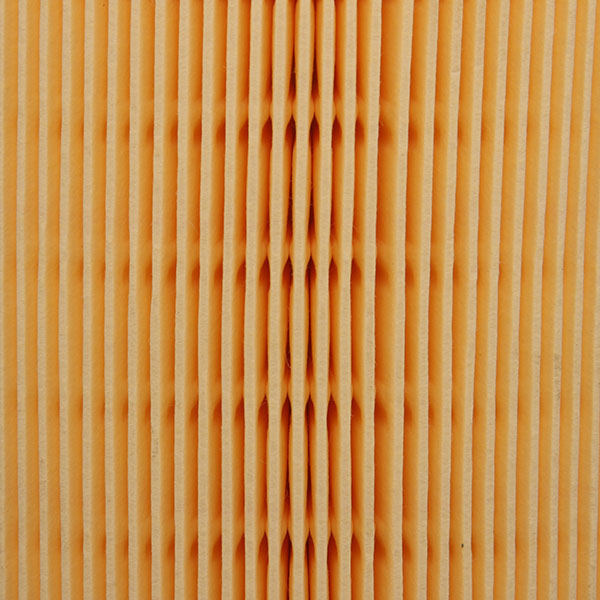
In fact, pair a Active Carbon Air Filter For Air Purifier with HEPA to cover both gases and particles. Sounds basic, but I still see buyers choosing HEPA alone, then wondering why odors linger.
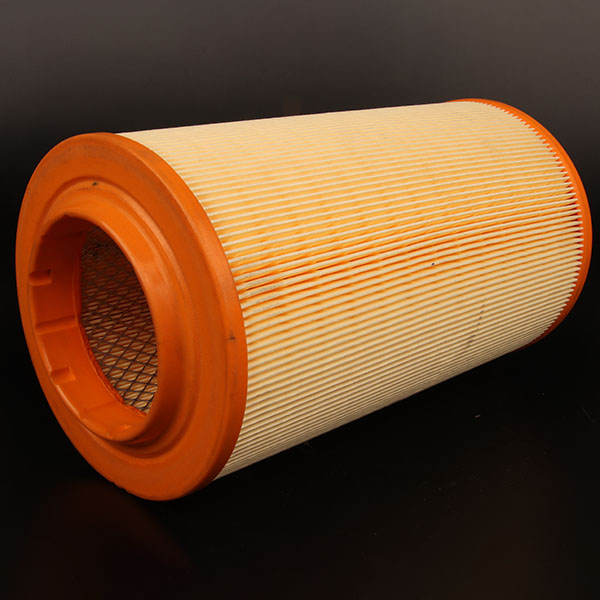
Lab chamber (30 m³): toluene removal 80% at 30 min, 95% at 120 min; formaldehyde 70% at 60 min, using ISO 10121‑style challenge—your airflow and VOC load will nudge results. Customer remarks? “Curry smells gone in a day.” Another: “Ozone sharpness reduced,” which tracks with carbon’s ozone uptake.
| Vendor | Carbon quality | Certs | Lead time | Customization |
|---|---|---|---|---|
| MFilterSolution (Heavy Duty Air Filter 29) | High‑iodine coconut, optional impregnation | ISO 9001; reports to ISO 10121 | ≈10–15 days | Sizes, carbon load, frame, gaskets |
| Generic import | Mixed coconut/coal; variable | Basic CoC only | ≈20–30 days | Limited SKUs |
| Boutique EU brand | Premium coconut; stringent QC | ISO 9001, UL 900 | ≈3–5 weeks | Wide; higher price tier |
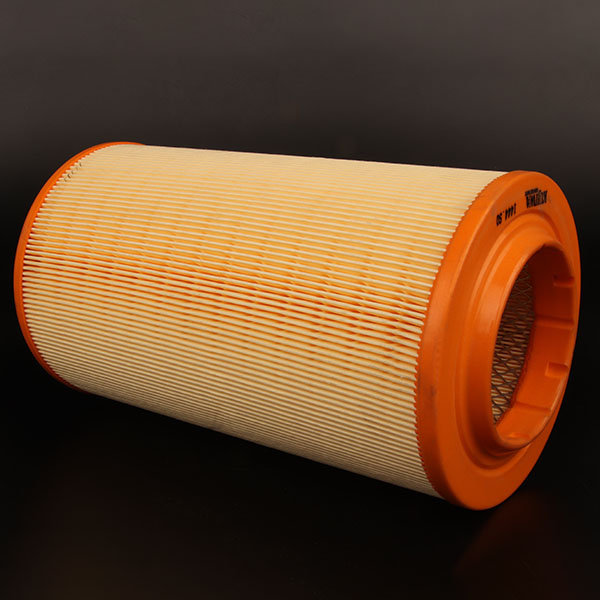
Case in point: a 120 m² boutique gym installed a Active Carbon Air Filter For Air Purifier upstream of HEPA. VOCs fell 72% in week one; members noticed “fresher air,” and the HEPA held dust longer. Simple, effective.
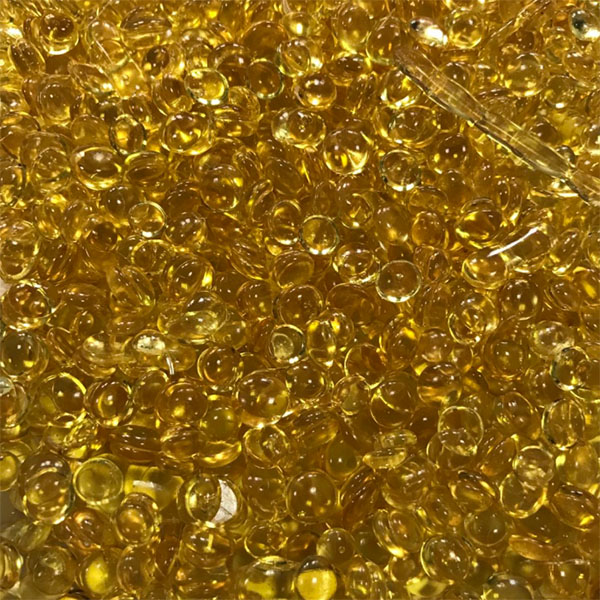
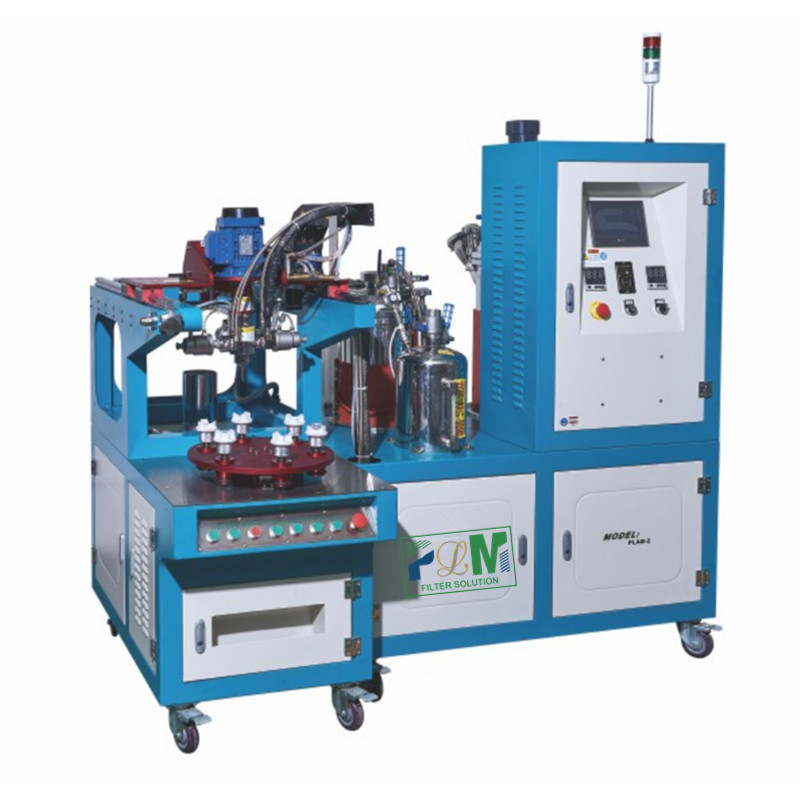
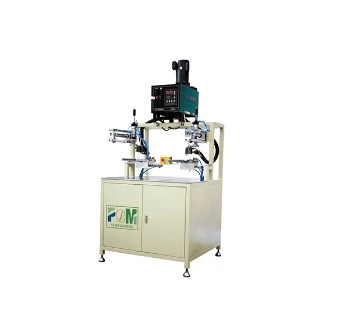
High-Performance Hot Melt Adhesive for Automated Production Lines