Oct . 23, 2025
If you’ve ever unboxed a new sofa and caught that sharp “new-furniture” smell, you already understand why carbon-based filters matter. In the last two years, demand has nudged away from only dust capture toward VOC and odor control. And yes, it’s not just hype: the science backs it. The funny thing is, not all carbon filters are equal, and—having toured a few lines in Hebei—not all are even built the same way.
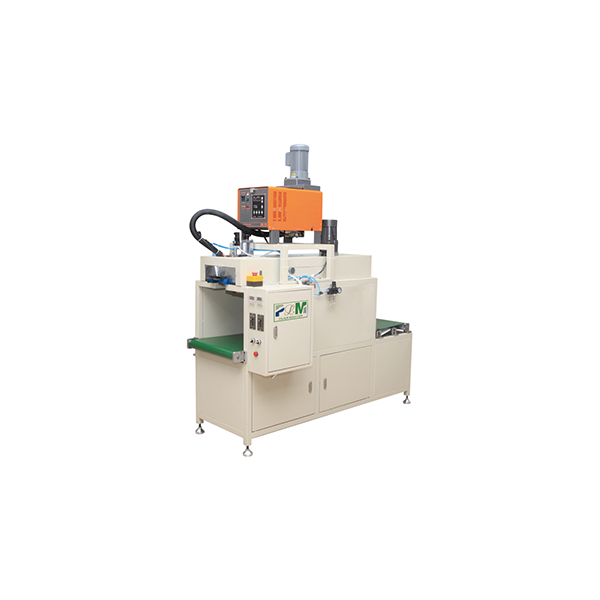
Two trends dominate: 1) blended media (a particulate layer + activated carbon) complying with ISO 16890 for dust while targeting VOCs under ISO 10121; 2) precision hot-melt bonding that reduces leakage and keeps pressure drop stable. It sounds niche, but a stable bond line is exactly what keeps carbon from rattling or channeling. In fact, many customers say they notice quieter airflow and steadier CADR after switching.
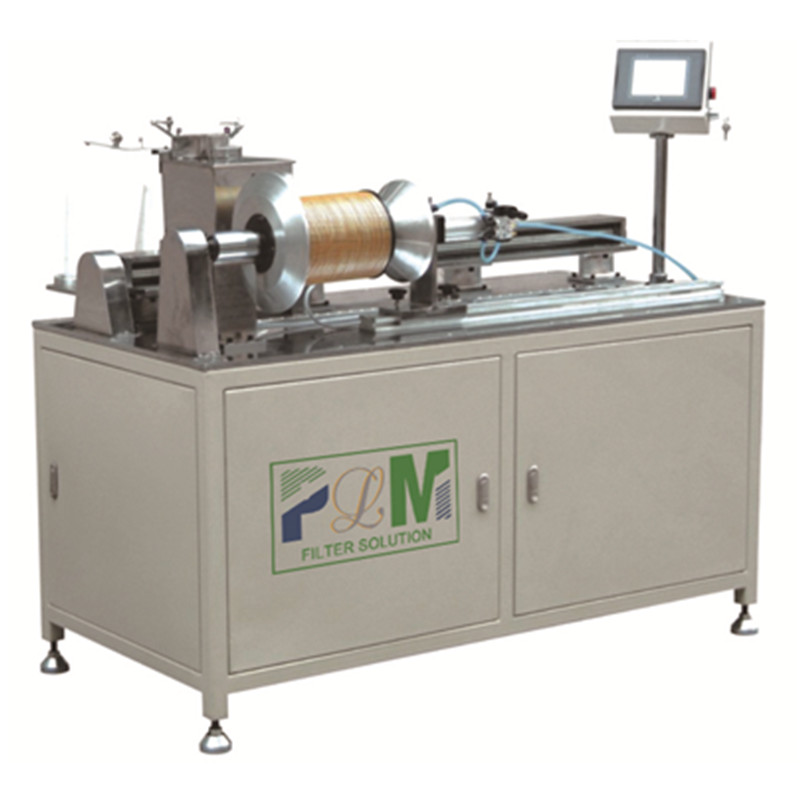
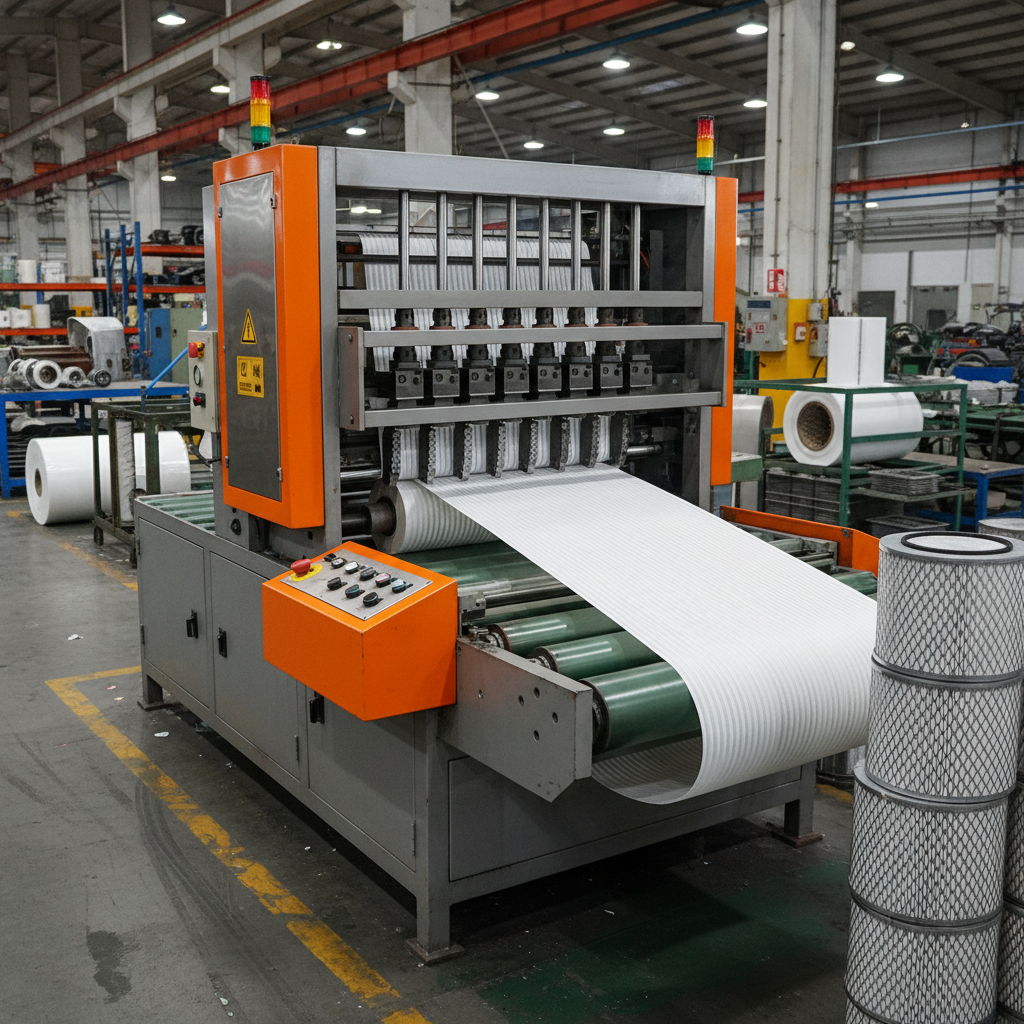
Materials: coconut-shell activated carbon (high iodine value), spunbond protective layers, melt-blown prefilter (optional), and a rigid frame. Our line in East of Anping County, Hengshui City, Hebei Province, China 053600 uses the PLRZ-1000N Full-auto Hot Melt Filter Paper Bonding Machine—yes, that mouthful—because consistent bead placement really matters when you’re sealing pleats and keeping carbon where it belongs.
Process flow: media prep → carbon dosing/lamination → hot-melt bonding and pleating → frame assembly → curing → leak test → VOC performance test (per ISO 10121, lab scale) → pressure drop check → packaging. Service life is typically 6–12 months (real-world use may vary, to be honest).
| Model | ACF-10x20-25 (example) |
| Media Stack | Activated carbon layer + nonwoven + optional melt-blown prefilter |
| Carbon Type | Coconut-shell, iodine value ≈ 900–1100 mg/g |
| Carbon Loading | ≈ 180–450 g/m² (customizable) |
| Initial Pressure Drop | ≈ 45–80 Pa @ 1.0 m/s |
| VOC Removal | Formaldehyde initial removal up to ≈ 85–95% (ISO 10121 bench tests) |
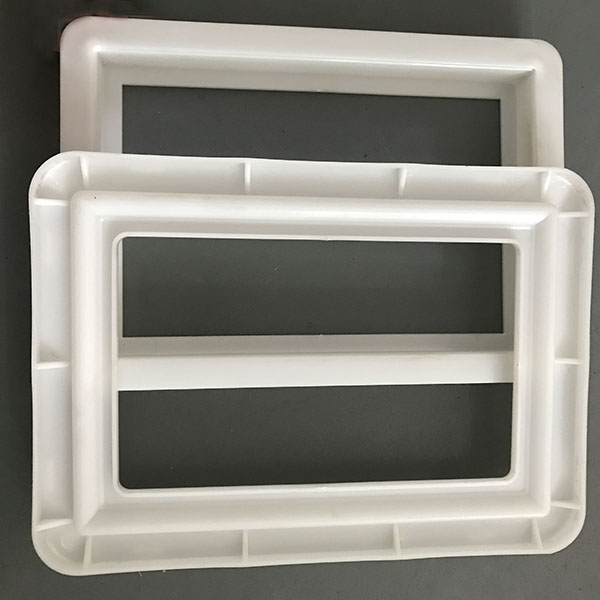
| Frame/Gasket | ABS or card frame; EVA gasket |
| Certs | ISO 9001 factory, RoHS/REACH materials compliance |
Home and office purifiers (new paint, new furniture), hotel rooms and smoking areas, clinics/labs with solvent odors, and—surprisingly—pet grooming shops. A Active Carbon Air Filter For Air Purifier shines when VOCs or odors are the complaint.
Test data snapshot: TVOC reduction 70–90% over 60 minutes in a 30 m³ chamber, CADR impact minimal, and breakthrough time for toluene extended by ≈ 25% when using higher loading. One customer in Shenzhen reported a drop from 0.45 mg/m³ to 0.08 mg/m³ TVOC within a week—windows closed most days, which made the effect clearer.
| Vendor | Customization | Certs | Lead Time | Notes |
|---|---|---|---|---|
| Hebei Anping Factory | Size, loading, frame, logo | ISO 9001, RoHS/REACH | ≈ 12–18 days | Uses PLRZ-1000N hot-melt line; stable bonds |
| Trading Co. X | Limited SKUs | Claims RoHS | ≈ 20–30 days | Sourcing variability |
| Brand OEM Y | Brand-fit only | CB/CE device-level | ≈ 25–35 days | Great finish, higher price |
Our PLRZ-1000N Full-auto Hot Melt Filter Paper Bonding Machine keeps adhesive weights consistent and edges sealed—less bypass, better gas residence time. It’s a quiet hero, but crucial. Without uniform bead lines, you risk micro-leaks that make a Active Carbon Air Filter For Air Purifier look good on paper and underperform in your living room.
We reference ISO 16890 for particulate layers, ISO 10121 for gas-phase testing, and AHAM AC-1 for CADR context. For China-market devices, GB/T 18801 remains the go-to. Materials meet RoHS/REACH; factory is ISO 9001. I guess the short version is: spec beyond marketing buzzwords.
References
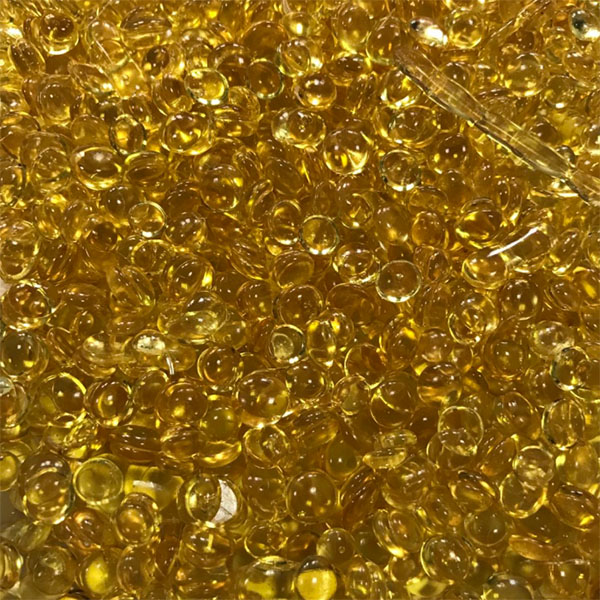
High-Performance Hot Melt Adhesive for Automated Production Lines
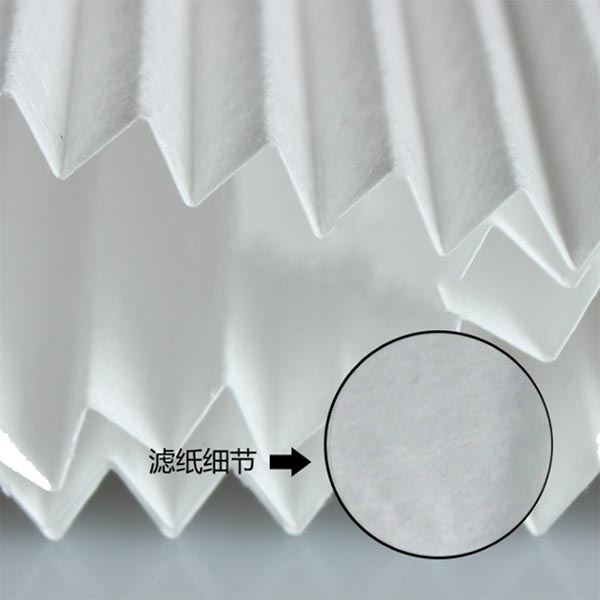
Industrial Automatic Knife Pleating Machine for Filter Production