Understanding Cabin Filter Media: What It Is and Why It Matters Globally
Okay, so “cabin filter media” might sound a bit too technical or niche at first glance, but it’s actually a critical component in everyday life, particularly inside vehicles and various climate-controlled enclosures. In essence, these filter materials work behind the scenes to keep the air you breathe clean and safe, blocking out dust, pollen, bacteria, and even harmful industrial pollutants.
Globally, with urban pollution rising, respiratory illnesses increasing, and environmental regulations tightening, understanding cabin filter media is more than just a “trendy” topic; it’s a cornerstone for healthier, more sustainable living and transport. What’s truly fascinating is how advancements in these materials ripple out to benefit human health, vehicle performance, and even energy efficiency.
Mini takeaway: Cabin filter media quietly supports wellbeing and sustainability worldwide — a small piece of material with a big impact.
The Global Context: Why Cabin Filter Media Is Gaining Momentum
So why is cabin filter media grabbing attention globally right now? Let’s look at the numbers. According to the World Health Organization, approximately 7 million premature deaths worldwide are linked to air pollution annually.[1] Vehicle emissions, industrial dust, pollen — these pollutants don’t just stay outside; they seep into cabins, offices, even emergency shelters.
The automotive sector alone represents a massive market for cabin filter media, with global shipments estimated to reach over 500 million units per year by 2027.[2] This demand is partly driven by stricter ISO standards on air quality inside vehicles and growing consumer awareness.
In disaster-relief situations, remote industrial zones, or cramped urban areas, clean air inside cabins and shelter units means the difference between safety and risk.
Mini takeaway: With air pollution pushing limits and ISO regulations tightening, the humble cabin filter media emerges as a frontline solution worldwide.
What Exactly Is Cabin Filter Media? Demystifying the Basics
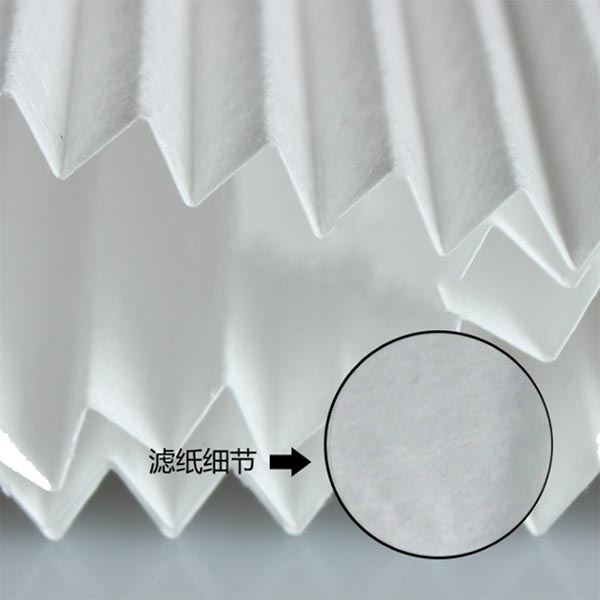
Let’s keep it simple: cabin filter media is the filtering layer inside a cabin air filter (usually in vehicles), designed to trap harmful particles while letting clean air flow through. It's made from specialized synthetic fibers, often treated with activated carbon or electrostatic charges, enhancing its ability to capture microscopic dust, allergens, and volatile organic compounds (VOCs).
Modern industries rely on these media beyond cars — from HVAC systems in high-rise buildings to portable medical shelters and modular housing where indoor air quality is vital.
In humanitarian contexts, for instance, the cabin filter media in refugee camp containers or field hospitals provides safer breathing conditions for vulnerable populations facing polluted or dust-heavy environments.
Key Aspects of Cabin Filter Media
1. Filtration Efficiency
Probably the most obvious metric — it’s about how well the media traps particles, especially PM2.5 and smaller contaminants. Higher efficiency means cleaner air but sometimes at the cost of airflow.
2. Durability & Longevity
No one likes changing filters every week. Durable materials withstand moisture, heat, and chemical exposure, maintaining performance over thousands of miles or months. UV resistance and mold inhibition are sometimes built-in.
3. Breathability (Airflow Resistance)
It’s a fine balance. Cabin filter media has to stop pollutants but allow enough air through so the HVAC or vehicle systems don’t strain, impacting fuel economy or electricity use.
4. Cost & Availability
More advanced composites and treatments usually hike up prices. But cost-effective solutions exist, especially in emerging markets. Supply chain stability is also crucial — shortages can disrupt entire fleets.
5. Sustainability & Eco-friendliness
A growing trend. Many manufacturers now offer recyclable or biodegradable media, lowering environmental footprints during disposal.
6. Customization Capabilities
Depending on application—be it medical, automotive, or industrial—materials can be tailored to specific filtration needs, sizes, and chemical resistance.
Mini takeaway: Cabin filter media is a fascinating interplay of efficiency, durability, breathability, cost, and sustainability — all tailored to real-world demands.
Where Cabin Filter Media Makes a Difference: Real-World Applications
The versatility is surprising once you start looking.
- Transportation: Passenger cars, trucks, buses, and even airplanes rely on cabin filter media to enhance passenger comfort and health.
- Healthcare & Emergency Relief: Field hospitals and mobile medical units use specialized filters to ward off bacteria, viruses, and dust during post-disaster or pandemic situations.
- Industrial & Manufacturing: Operators working in factories or mines benefit from cabin filters in enclosed machinery to reduce inhaling harmful dust or chemicals.
- Residential HVAC Systems: High-end air purifiers and home heating/cooling systems increasingly feature modular cabin filter media for allergy and asthma sufferers.
- Military & Defense: Armored vehicles and reconnaissance units utilize advanced filter media for protection in contaminated environments.
For example, during the 2020 Australian wildfires, cabin filter media in evacuation buses played an essential role filtering ash and smoke – a quiet hero amid chaos.
Cabin Filter Media Specification Table
| Specification |
Typical Value |
Unit |
Notes |
| Filtration Efficiency (PM2.5) |
≥ 95% |
% |
Measured per ISO 11155 standard |
| Airflow Resistance |
≤ 100 Pa |
Pascals |
Ensures minimal HVAC strain |
| Operating Temperature Range |
-40 to +85 |
°C |
Typical for automotive environments |
| Material Composition |
Polypropylene/Activated Carbon |
- |
Electrostatic media often preferred |
| Shelf Life |
Up to 3 years |
Years |
Stored in dry, sealed packaging |
Comparing Top Vendors of Cabin Filter Media
| Vendor |
Material Technology |
Market Reach |
Custom Solutions |
Sustainability Efforts |
| MediaTech Filters |
Electrostatic + Carbon Blend |
Global (Europe, Asia, Americas) |
Yes, automotive & HVAC |
Recyclable media pilot |
| PureAir Solutions |
Nano-fiber Advanced Media |
North America & Europe |
Medical-grade & industrial |
Compostable fibers developed |
| EcoFilter Corp. |
Biodegradable Fiber Media |
Asia-Pacific focus |
Standard automotive lines only |
Full life cycle eco certification |
The Real Benefits: Why Trust Cabin Filter Media?
In practical, day-to-day terms, cabin filter media improves air quality, which is a simple but profound thing. Cleaner air means fewer allergies, less fatigue, and better focus for drivers or workers. It also means longer-lasting HVAC units, reduced maintenance, and better fuel efficiency.
Environmentally, many manufacturers are stepping up with sustainable options that lower waste and energy use. Socially, clean filters help protect vulnerable populations in pollution-heavy cities or crisis zones, where respiratory issues can be deadly.
Emotionally, knowing the air inside your vehicle or workspace is filtered builds trust and peace of mind — a subtle but important comfort. The innovation in filter media is also a quiet reminder that even the most “mundane” parts of technology have fascinating, evolving stories.
Looking Forward: Trends Shaping Cabin Filter Media’s Future
There’s no stasis here. Industry insiders talk a lot about cabin filter media innovations leveraging nanotechnology to trap ultra-fine particles, smart sensors that signal filter health, and even filter media that self-cleans or adapts in real-time to pollution levels.
Of course, sustainability looms large: biodegradable, washable, and recycled fibers are becoming more mainstream, thanks largely to stricter ISO 16890 air filter classification guidelines pushing eco-friendly practices.
Automation in manufacturing also tightens quality control, meaning more consistent performance and less material waste — which frankly benefits everyone.
Challenges and Practical Solutions
Not everything is perfect. Issues like supply chain disruptions, fluctuating raw material costs, and balancing filtration efficiency with airflow have kept many manufacturers on their toes.
But clever solutions, such as hybrid media blends, regional supply hubs, and AI-driven demand forecasting, are smoothing these bumps. R&D into new polymer blends and carbon impregnation techniques also promises more resilient, cost-effective filters.
FAQ: Cabin Filter Media Demystified
- How often should cabin filter media be replaced in vehicles?
- Generally, manufacturers recommend every 12,000 to 15,000 miles, or once a year — but environmental conditions play a big role. In high-pollution or dusty areas, more frequent changes are prudent to maintain air quality and HVAC efficiency.
- Are all cabin filter media types suitable for allergy sufferers?
- Not quite. HEPA-type or activated carbon-infused media provide superior filtration of allergens and odors. Basic filters can trap dust but might not reduce VOCs or pollen effectively.
- Can cabin filter media improve fuel economy?
- Indirectly, yes. Filters with low airflow resistance reduce HVAC system load, which can marginally improve fuel efficiency. Overly clogged or poor-quality filters strain fans and compressors, increasing energy draw.
- Is it possible to customize cabin filter media for special industrial uses?
- Absolutely. Vendors often offer tailored solutions based on particle size, chemical resistance, or environmental exposure. This is common in military vehicles or medical shelters where specific threats exist.
- How should old cabin filter media be disposed of sustainably?
- Look for recycling programs or manufacturers’ take-back schemes. Some media are compostable; others require hazardous waste processing due to adsorbed chemicals. Proper disposal limits environmental impact.
Wrapping It Up: Why Cabin Filter Media Deserves Your Attention
Cabin filter media is one of those overlooked heroes quietly shaping the quality of our everyday air — from your daily commute to life-saving emergency shelters. Investing in quality, sustainable, and well-designed filter media isn’t just about meeting regulations; it’s about embracing health, innovation, and trust.
Curious to learn more about advanced and reliable cabin filter media? Visit our website to explore product ranges, certifications, and tailored solutions crafted for tomorrow’s needs.
At the end of the day, breathing clean air should be a given — and cabin filter media plays a surprisingly significant role in making that happen.
References
- WHO - Air Pollution and Health
- Markets and Markets - Cabin Air Filter Market Forecast
- ISO 11155-1: Road vehicles — Air filters — Cabin air filters for ventilation and air-conditioning — Part 1: Filtration performance and air flow