Understanding Air Filter Cloth Fabric: Why It’s Essential Today
In today's fast-changing world, environmental concerns and industrial efficiency go hand in hand. One unsung hero in this arena is air filter cloth fabric. You might be wondering — what exactly is it, and why should it matter to someone outside manufacturing or environmental engineering? Frankly, understanding this material has broad implications. It’s crucial in everything from controlling air pollution and improving indoor air quality to specific industrial processes that rely on filtering dust or particles.
Globally, with air pollution responsible for an estimated 7 million premature deaths annually, according to WHO, tools that help reduce harmful airborne particulates are in urgent demand. Air filter cloth fabrics form a key part of these tools, making their role not just technical, but humanitarian too.
Mini takeaway: Air filter cloth fabrics are more than matrices; they’re frontline warriors in global health and industry efficiency.
What Is Air Filter Cloth Fabric?
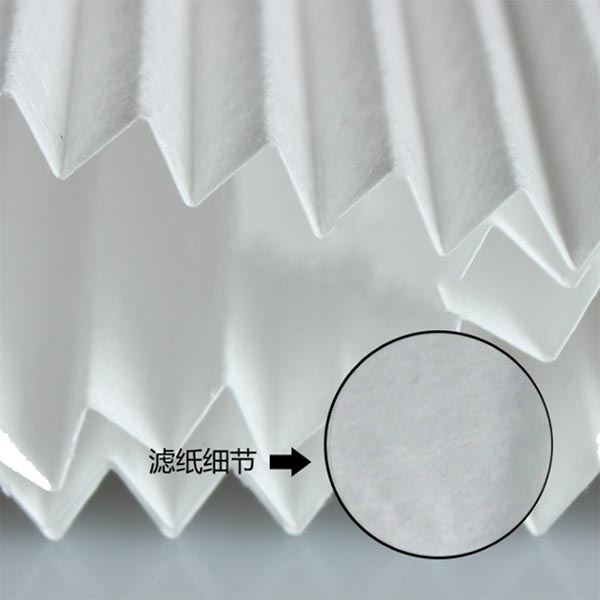
Put simply, air filter cloth fabric refers to specialized textile materials designed for capturing dust, smoke, and other airborne particles. They’re engineered to balance permeability and filtration efficiency — allowing air to pass through while trapping impurities. These fabrics intersect modern industry and humanitarian needs by ensuring cleaner air across factories, hospitals, public buildings, and disaster relief setups.
Oddly enough, their story is rooted in traditional fabric-making but progressed through modern materials technology, using synthetic fibers like polyester, polypropylene, or sometimes natural fibers depending on the application.
Key Characteristics That Define Air Filter Cloth Fabric
- Filtration Efficiency: This is the fabric’s heart, measuring how well it traps particles of various sizes, from micron-scale dust to larger debris.
- Durability: Filters often endure harsh conditions — high temperature, humidity, or chemical exposure. A durable fabric means longer service life and less downtime.
- Airflow Resistance: Balancing filtration with low resistance is tricky but vital. Too dense a fabric chokes airflow; too loose lets particles slip through.
- Cost-Efficiency: For industries, cost matters. The fabric needs to perform reliably without breaking the bank, supporting sustainable economic choices.
- Customization Potential: Different environments demand tailored fabrics — hydrophobic coatings for wet conditions, anti-static finishes, or varying thicknesses.
Mini takeaway: In real terms, selecting air filter cloth fabric often means juggling efficiency, durability, and cost.
Product Specifications at a Glance
| Specification |
Typical Range |
Notes |
| Material Composition |
Polyester, polypropylene, blended fibers |
Synthetic fibers dominate due to resilience |
| Filtration Efficiency |
85% – 99.9% (by particle size) |
Depends on fabric weave and finishing |
| Air Permeability |
30 – 150 cfm (cubic feet per minute) |
Optimized for low airflow resistance |
| Operating Temp. Range |
-20°C to 280°C |
Varies with fiber type |
| Fabric Weight |
150 – 400 g/m² |
Heavier fabrics usually filter better but resist airflow |
Where Are Air Filter Cloth Fabrics Making a Difference?
From sprawling manufacturing plants in Asia to coal-fired power stations in Europe, these fabrics help improve air quality and protect equipment. Many cities now mandate their use in industrial exhaust systems to curb pollution.
Oddly, humanitarian aid also depends on these fabrics — disaster zones with dust clouds or wildfire smoke, for example, need rapid-deploy filtration systems. Likewise, medical facilities worldwide rely heavily on them to maintain sterile, particulate-free air. Organizations like the UN Environment Programme have highlighted air filtration materials as essential for sustainable urban development efforts.
Mini takeaway: These fabrics are everywhere — quietly safeguarding health and operations in vastly different sectors.
A Quick Look at Vendors: How Do Suppliers Stack Up?
| Vendor |
Product Range |
Global Reach |
Sustainability Initiatives |
Customization Options |
| MFilter Solutions |
Extensive: industrial & medical |
Global distribution networks |
Recyclable materials and low-impact manufacturing |
Highly customizable weaves and finishes |
| FilterTex Corp. |
Medium range: mainly industrial |
Regional focus (Europe, NA) |
Limited eco-friendly certifications |
Standard product lines |
| CleanAir Fabrics Ltd. |
Focused on hospital-grade fabrics |
International but smaller scale |
Innovative sustainable fiber blends |
Custom antimicrobial coatings |
Advantages & Long-Term Value of Using Quality Air Filter Cloth Fabric
- Cost Savings: Durable fabrics lower replacement frequency and downtime, saving operations money in the long haul.
- Health Benefits: By reducing airborne contaminants, these fabrics protect workers and the public against respiratory issues.
- Environmental Sustainability: Many manufacturers now emphasize recyclable and less chemically intensive processes.
- Innovative Confidence: Choosing advanced air filter fabric signals a commitment to quality and modern standards, building trust with clients and regulators alike.
Emerging Trends & Innovations
Green energy pushes have inspired new filtration fabrics with lower environmental footprints, such as bio-based fibers and chemical-free treatments. Digital transformation means sensors embedded in filters can now monitor saturation and quality in real time, minimizing waste and maximizing efficiency.
Automation in manufacturing also means filters can be produced with ultra-consistent quality, reducing defects and increasing reliability.
Common Challenges & Proven Solutions
One persistent challenge: balancing airflow and filtration efficiency without sacrificing lifespan. Engineers are experimenting with multilayer weaves, nano-coatings, and modular filter designs to address this. Additionally, contamination buildup can sometimes reduce effectiveness fast; self-cleaning and easily replaceable systems are gaining traction.
FAQ: Frequently Asked Questions About Air Filter Cloth Fabric
- Q: What types of air filter cloth fabric are best for industrial dust?
A: Fabrics made from high-strength polyester or polypropylene are typically preferred. They offer durability and excellent filtration efficiency while tolerating harsh industrial environments.
- Q: How often should air filter fabrics be replaced?
A: Replacement cycles vary by usage but typically range from 6 months to 2 years. Routine inspections and sensor monitoring can help schedule timely replacements to avoid clogging or reduced filtration.
- Q: Is it possible to customize air filter cloth fabric for unique environmental conditions?
A: Yes, many suppliers like MFilter Solutions offer options such as hydrophobic coatings, antimicrobial treatments, and alterations in weave tightness to meet specialized needs.
- Q: Are eco-friendly air filter fabrics effective compared to traditional ones?
A: Advances in bio-based and recycled materials mean eco-friendly fabrics can now match or exceed traditional fabrics in filtration and durability, with less environmental impact.
In Conclusion: Why Air Filter Cloth Fabric Is a Smart Choice for the Future
Choosing the right air filter cloth fabric can transform operations, increase health protections, and support sustainability goals. It’s a small piece in a bigger puzzle, but it matters. Whether you’re managing industrial emissions, hospital air quality, or humanitarian emergency setups, good filtration fabric is fundamental.
If you want to explore trusted options or need bespoke solutions, I encourage you to visit MFilter Solutions. Their expertise in air filter cloth fabric stands out globally.
After all, ensuring the air we breathe is cleaner is not just technical work — it’s a commitment to safety, innovation, and care.
Final takeaway: In a polluted world, air filter cloth fabric quietly plays a huge role — often unseen, yet absolutely vital.
References:
1. World Health Organization - Air Pollution
2. Wikipedia – Air Filter
3. United Nations Environment Programme