Why Air HEPA Filters Matter More Than Ever
In a world where air pollution reportedly causes over seven million premature deaths every year according to the World Health Organization, understanding air HEPA filters isn't just a technical niche — it's a matter of global health and safety. These filters, designed to trap airborne particles down to microscopic levels, have become front-line warriors amid rising pollution, pandemics, and industrial hazards. I often think about how something as seemingly simple as a filter can quietly save lives and protect environments worldwide. Knowing why and how they work gives us that edge to make smarter choices — whether you're managing a hospital ward or just trying to breathe better at home.
Mini takeaway: Air HEPA filters are crucial globally because they help reduce airborne diseases and pollutants, impacting millions of lives daily.
Global Context: The Rising Demand for Clean Air Solutions
Pollution isn’t just a local annoyance anymore. The United Nations Environmental Programme estimates that over 90% of the world’s population breathes polluted air. In crowded megacities and industrial zones, toxic dust, allergens, and pathogens combine into a silent killer. Enter the air hepa filter as a promising solution. Industrial plants, healthcare facilities, and even disaster relief operations rely on HEPA filtration to maintain sterile and safe environments. The COVID-19 pandemic exposed vulnerabilities in indoor air quality worldwide — suddenly, efficient filtration moved from an optional upgrade to an urgent necessity.
But it's not just hospitals — schools, offices, transportation hubs, and homes increasingly adopt these filters, riding the wave of awareness and new regulatory standards guided by bodies like the ISO and EPA.
Mini takeaway: The demand for air HEPA filters is skyrocketing globally in response to pollution, pandemics, and stricter air quality regulations.
What Exactly Is an Air HEPA Filter?
It's funny how the name “HEPA” sounds technical but stands for something quite simple: High Efficiency Particulate Air. At its core, an air HEPA filter is a dense mat of randomly arranged fibers designed to trap tiny airborne particles — including dust, pollen, mold spores, and some viruses — with 99.97% efficiency at filtering particles 0.3 microns or larger.
Imagine it as a microscopic spider’s web for pollutants, trapping them before they slip into your lungs or sensitive machines. Industries from pharmaceuticals to disaster relief count on HEPA filters to create clean zones, preventing contamination whether it’s a sterile operating room or a post-flood emergency shelter.
Mini takeaway: Air HEPA filters offer one of the best proven methods to clear dangerous particles from the air, serving diverse industries and health needs.
Key Features That Make Air HEPA Filters Effective
1. Particle Filtration Efficiency
This is the heart of the matter. A true HEPA filter must trap at least 99.97% of particles 0.3 microns wide—which includes smoke, bacteria, and some viruses. It's the gold standard for air purification.
2. Durability and Material Quality
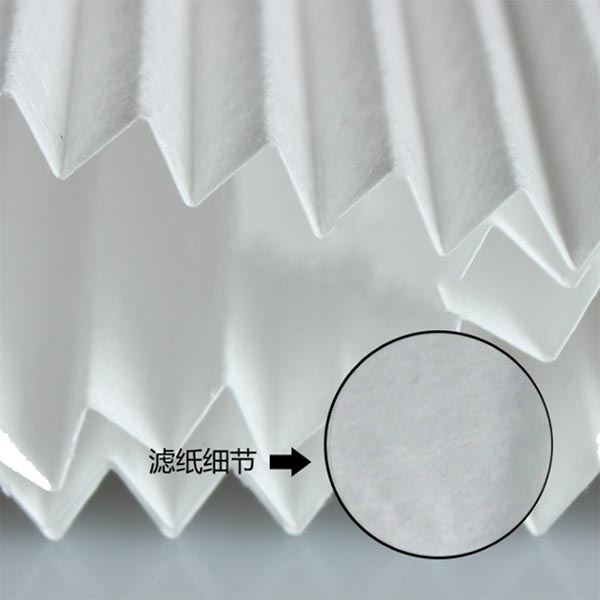
The filter medium typically consists of glass fibers bound together in a dense mat. The quality affects longevity and pressure drop, meaning how easily air can pass through without forcing the system.
3. Size and Scalability
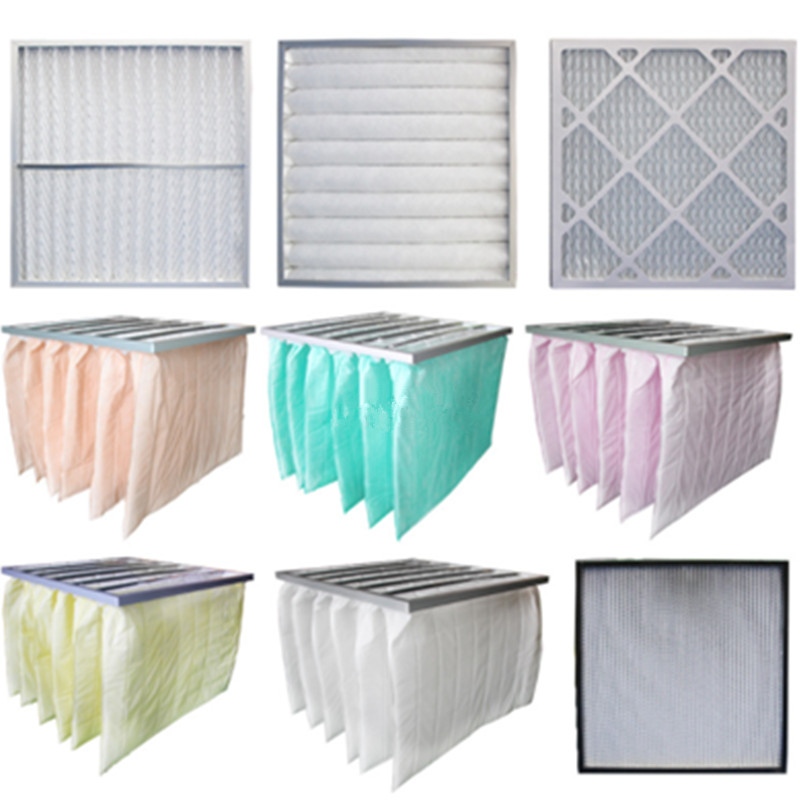
Whether installed in a tiny air purifier or massive HVAC systems inside hospital wings, HEPA filters come in various sizes. Scalability ensures they fit countless applications across industries and living spaces.
4. Cost Efficiency Over Lifetime
Initially, HEPA filters can be pricier than standard filters. However, their long lifespan and health benefits offset costs. Maintenance intervals vary but generally lean toward months rather than weeks.
5. Environmental Impact
Oddly enough, the disposable nature of some HEPA filters raises concerns. Innovations are underway to create recyclable or self-cleaning designs, addressing waste and energy consumption.
Mini takeaway: Efficiency, durability, size adaptability, cost balance, and environmental concerns define the quality of an air HEPA filter.
Real-World Applications Across the Globe
If you think HEPA filters are only for hospitals, think again. Their footprint extends worldwide.
- Healthcare: Operating theaters, isolation wards, and clinics use HEPA filters to reduce infection risks.
- Industrial Zones: In places like China’s Beijing or India’s Delhi, HEPA filtering mitigates severe coal dust and particulate pollution.
- Disaster Relief: Post-flood shelters or wildfire zones rely on these filters to provide breathable environments quickly.
- Transportation: Airlines and subway systems increasingly integrate HEPA filtration to enhance air quality on the move.
- Residential Use: Allergy sufferers or families in polluted cities install home air purifiers with HEPA filters to breathe easier.
Mini takeaway: Air HEPA filters serve a broad spectrum of critical uses, from life-saving hospitals to everyday homes worldwide.
Advantages That Keep Air HEPA Filters in Demand
From a purely practical standpoint, the benefits stack up nicely:
- Health & Safety: Reduced airborne diseases and allergic reactions.
- Reliability: Consistent filtration performance with minimal mechanical complexity.
- Cost-effectiveness: Long lifespan means fewer replacements and maintenance effort.
- Environmental Protection: Cutting pollution exposure indoors translates to wider community benefits.
- Emotional Peace: Many users mention a psychological lift knowing their lungs are protected—especially during wildfires or flu seasons.
Mini takeaway: Air HEPA filters blend tangible health benefits with emotional reassurance, making them a wise investment.
The Road Ahead: Trends and Innovations in Air HEPA Filters
The tech in HEPA filters isn't frozen in time. Upcoming breakthroughs include:
- Smart Monitoring: IoT-enabled filters that indicate pollution levels and filter health in real time.
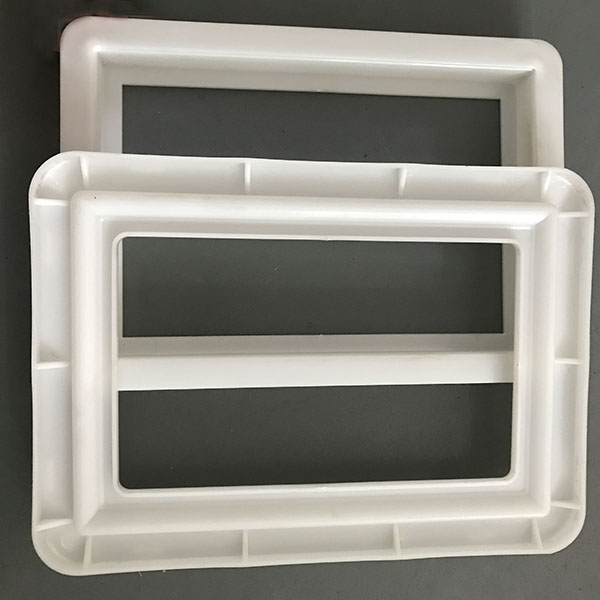
- Eco-friendly Materials: Biodegradable fibers and recyclable frames to reduce landfill burden.
- Hybrid Filtration: Combining HEPA with activated carbon and UV light to neutralize odors and viruses.
- Energy-efficient Designs: Filters optimized to reduce air resistance, lowering HVAC energy use.
- Automation: Self-cleaning filters or robotic maintenance reducing manual labor and downtime.
Mini takeaway: Innovation in air HEPA filters is pushing toward smarter, greener, and more automated solutions.
Challenges and Clever Workarounds
Of course, no technology is without hiccups. Some common challenges:
- Filter Clogging: HEPA filters can clog quickly in extremely polluted environments, requiring frequent changes.
- Energy Consumption: Dense filters need stronger fans, boosting power use.
- Initial Cost: A barrier especially for developing regions.
Experts suggest combining pre-filters with HEPA stages to prolong lifespan and using modular designs to ease replacement. Nonprofits are also focusing on low-cost, portable air purifiers equipped with HEPA technology for vulnerable communities.
Mini takeaway: While challenges exist, smart design and targeted innovations make air HEPA filters ever more accessible and effective.
Product Specification Table
| Specification |
Typical Range / Value |
Description |
| Filter Efficiency |
≥ 99.97% @ 0.3 microns |
Standard performance for particle filtration |
| Pressure Drop |
200-400 Pa |
Resistance to airflow; impacts energy consumption |
| Media Material |
Glass fiber mat |
Fine fibers create trapping mechanism |
| Filter Life |
6-12 months (typical) |
Based on pollution levels and usage |
| Operating Temperature |
-10°C to 70°C |
Suitable for various environments |
Vendor Comparison Table
| Vendor |
Filter Efficiency |
Price Range |
Warranty |
Primary Market |
| PureAir Technologies |
99.98% |
$$$ |
2 years |
Medical and industrial |
| ClearBreathe Solutions |
99.97% |
$$ |
1 year |
Residential and commercial |
| Global Filter Corp. |
99.95% |
$ |
6 months |
Budget and remote markets |
Frequently Asked Questions About Air HEPA Filters
Q: How often should I replace an air HEPA filter in a home setting?
A: Typically, HEPA filters last between 6 to 12 months for residential use, depending on air quality and usage hours. In dusty or polluted environments, replacement might be necessary more often to maintain optimal efficiency.
Q: Can an air HEPA filter trap viruses such as COVID-19?
A: While HEPA filters capture particles down to 0.3 microns with high efficiency, viruses like SARS-CoV-2 are smaller. However, viruses often travel attached to larger droplets or aerosols, which HEPA filters can trap effectively, reducing airborne viral transmission risks.
Q: Are HEPA filters energy-efficient compared to other air filtration options?
A: HEPA filters have higher resistance to airflow than simpler filters, so fan energy can increase slightly. However, their superior filtration usually justifies this trade-off. Newer designs focus on balancing filtration and airflow efficiency to minimize energy consumption.
Q: Can HEPA filters be used outdoors?
A: HEPA filters are mostly designed for indoor use within HVAC systems or standalone air purifiers. Outdoor use is limited due to exposure to moisture, weather, and rapid clogging. Specialized filtration systems handle outdoor air quality control instead.
Q: How do I know if a filter is a true HEPA filter?
A: Certified HEPA filters meet standards such as those set by the U.S. DOE or ISO and will be labeled accordingly. Be wary of “HEPA-type” or “HEPA-like” claims that do not meet the 99.97% efficiency standard at 0.3 microns.
Wrapping It Up: Why Air HEPA Filters Are a Smart Investment
It’s clear that air HEPA filters offer a powerful blend of health benefits, reliability, and adaptability across a dizzying array of industries and settings. Whether you’re designing a hospital cleanroom, outfitting a disaster relief shelter, or just trying to improve your home environment, these filters provide peace of mind along with practical protection. Staying aware of evolving technologies means you'll get the best balance of cost, efficiency, and environmental stewardship.
Curious to find the right air hepa filter for your needs? Visit our website to explore the latest options and expert advice — your breath will thank you.
References
- World Health Organization: Ambient air pollution
- ISO Standard on HEPA filters
- Wikipedia: HEPA filter