Why Filter Fabric is Making Waves Across Industries Worldwide
Filter fabric — sounds straightforward, right? But beneath that simple name hides a powerhouse material quietly shaping the future of water treatment, air purification, agriculture, and even disaster relief. It’s a global game-changer for safeguarding resources, improving health, and enabling sustainable industry practices. Once you get why it’s so crucial, you’ll see filter fabrics aren’t just materials; they’re solutions addressing some big, knotty problems we face worldwide.
Understanding filter fabric means unlocking new efficiencies in cleaning water, controlling pollution, and even building resilient infrastructure. And since issues like water scarcity and air safety aren’t going away anytime soon — the UN estimates over 2 billion people lack access to safe drinking water (1) — the role of these fabrics is becoming more urgent.
The Global Landscape: Why Filter Fabric Matters More Than Ever
Look around. Rapid urbanization and industrial growth come with a hefty price tag: polluting our air and water. According to the World Bank, waterborne diseases cause millions of deaths annually (2). Enter filter fabric, bridging the gap between contamination and clean supply. From Shanghai’s rivers to remote sub-Saharan villages, the scope of application is massive.
But here’s the thing: not all filter fabrics are created equal. Their effectiveness can differ wildly based on material composition and design. That’s a significant hurdle for industries trying to standardize purification and environmental protection worldwide.
Overall, the global market for filtration textiles has been growing at a steady clip—projected to hit over $9 billion by 2027 (3). The reason? Filter fabrics serve both economical and environmental needs, a rare combo these days.
What is Filter Fabric? Breaking It Down
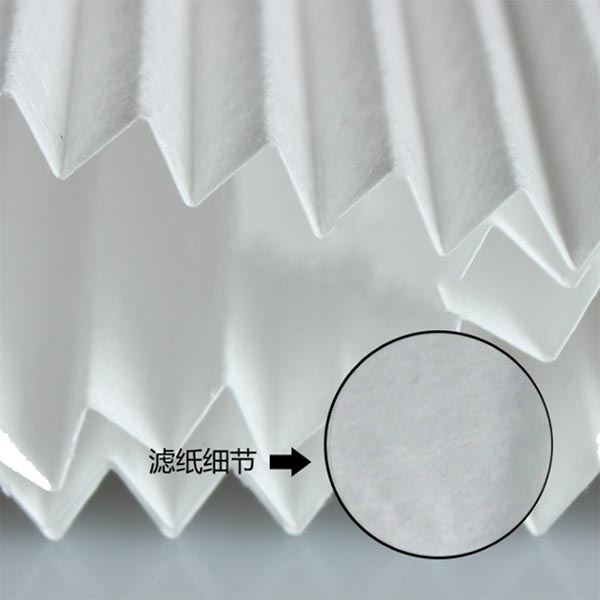
At its core, filter fabric is a textile specially engineered to separate particles, from microscopic dust to contaminated liquids. Think of it as a sieve, but ultra-advanced. These fabrics are usually made from polymers like polypropylene, polyester, or nylon, crafted to create precise pore structures through weaving, knitting, or non-woven technology.
This makes filter fabric crucial for modern industry — whether that's filtering sewage water, trapping fine dust in factories, or even shielding crops from airborne pollutants. Humanitarian efforts also rely on them, because clean water and air equal survival.
Mini takeaway:
Filter fabric is essentially the unsung hero behind cleaner, safer environments, made specially for separating bad stuff from good in liquids and air.
What Makes Filter Fabric Tick? Core Components Explained
Durability
It needs to last — tough against chemicals, high temperatures, and repeated use. A flimsy fabric won’t cut it, especially in industrial plants where wear and tear is constant. Durability is often the first thing engineers evaluate.
Filtration Efficiency
How well does it capture particles of different sizes? This varies with fiber diameter, fabric weave, and thickness. For example, microfibers catch finer dust but might clog faster unless designed cleverly.
Permeability
This is a balancing act: allow enough flow-through so processing isn’t unbearably slow but tight enough to trap contaminants. This aspect affects everything from wastewater treatment speed to air purifier output.
Cost Efficiency
Bulk materials like polypropylene strike a nice balance between price and performance, making them the go-to choice for many large-scale projects. But sometimes you pay extra for specialty fabrics with enhanced features.
Environmental Resistance
UV exposure, chemical attack, moisture—filter fabric must hold its ground. In harsh climates or industrial zones, resilience to these factors determines lifespan and effectiveness.
Scalability
Can the fabric be produced at scale without quality dips? This matters a lot for global projects and humanitarian deliveries where consistent specs are critical.
Mini takeaway:
Durability, efficiency, cost, and resilience aren’t just buzzwords. They’re the pillars designers juggle to meet real-world demands in filter fabrics.
Worldwide Uses: How Filter Fabric Powers Progress
- Water Treatment Plants: In Europe and North America, filter fabrics purify municipal water supplies, meeting stringent ISO standards.
- Industrial Pollution Control: Factories in China and India depend on filter fabrics to trap particulate matter before it hits the atmosphere.
- Agriculture: Shade nets and dust filters protect crops in arid regions like Australia and the Middle East.
- Humanitarian Aid: NGOs use quick-deploy filter fabric systems in disaster zones — for example, after the 2010 Haiti earthquake — to provide safe drinking water.
Mini takeaway:
Across continents and sectors, filter fabric is quietly essential—cleaning water, purifying air, or supporting emergency response.
Advantages and the Long Haul: Why Investing in Filter Fabric Pays Off
Filter fabrics aren't just technical solutions; they carry emotional weight. Imagine a community whose kids no longer have to fetch dirty water, or workers breathing cleaner air daily—these outcomes breed trust and dignity. On a logical note, they reduce maintenance costs and downtime while stretching operational life.
Environmentally, they enable greener processes by cutting emissions and conserving resources, dovetailing nicely with the UN’s Sustainable Development Goals (4). That's why it isn't just cost savings; it's a commitment to legacy.
The Future Is Fabric: Trends to Watch
Technology keeps weaving new possibilities into this field. Nanofiber layering promises even finer filtration without clogging. Meanwhile, biodegradable filter fabrics aim to reduce landfill impact — a hot topic as sustainability moves center stage.
Digital integration is also rising, with smart sensors monitoring fabric performance in real time. Who would've thought filters would get 'smart' too? Automation in production allows custom orders to meet niche industrial needs faster than ever.
Challenges on the Horizon—and Clever Solutions
One issue is fouling—where fabric clogs with contaminants, cutting performance. New coatings and self-cleaning surfaces are being tested to fight this. Additionally, cheaper imitation fabrics can underdeliver, causing failures in critical systems. Quality control and certifications are more important now than ever.
Cost barriers remain in developing regions, but modular, easy-install filter units are helping bridge the gap. Plus, increasing recycling efforts for used fabrics offset environmental costs.
FAQ: Practical Questions About Filter Fabric
- Q: What factors affect how long a filter fabric lasts in harsh environments?
A: Exposure to UV rays, chemical aggression, and mechanical abrasion are key. Fabrics made with UV stabilizers and chemically resistant polymers perform best.
- Q: Can filter fabrics be customized for specific industries?
A: Absolutely. Fiber diameter, weave pattern, and finishes can be engineered to target particular contaminants or flow rates.
- Q: How do NGOs import filter fabric products for disaster zones?
A: They often partner with certified vendors who handle international shipping and customs clearance, ensuring timely delivery and compliance.
- Q: Are biodegradable filter fabrics a viable option now?
A: They’re gaining traction, especially for single-use applications, but long-term durability can still be limited compared to synthetic alternatives.
Product Specification Snapshot: Typical Filter Fabric
| Specification |
Detail |
| Material |
Polypropylene / Polyester blend |
| Filtration Efficiency |
Up to 99.5% for 5-micron particles |
| Thickness |
0.5 – 1.2 mm (customizable) |
| Temperature Resistance |
Up to 120 °C |
| UV Resistance |
Enhanced with stabilizers |
| Service Life |
3 – 5 years (dependent on usage) |
| Environmental Compliance |
ISO 9001, RoHS compliant |
Vendor Comparison: Choosing Your Filter Fabric Supplier
| Feature |
Vendor A |
Vendor B |
Vendor C |
| Material Options |
Polypropylene, Polyester, Nylon |
Polypropylene only |
Polyester, Biodegradable blends |
| Certifications |
ISO 9001, REACH |
ISO 9001 |
ISO 14001, RoHS |
| Customization |
High (weave + treatments) |
Medium (weave only) |
Low (standard specs) |
| Price Range |
$$ - Premium |
$ - Budget friendly |
$$ - Midrange |
| Sample Delivery |
3-5 days |
7-10 days |
5-7 days |
| Customer Support |
24/7 multi-lingual |
Business hours only |
Limited online chat |
Wrapping Up: Why Filter Fabric Deserves Your Attention
As we wrap this up, it’s clear that filter fabric is more than just a technical textile — it’s a vital frontline defender in the fight for cleaner water and air. From protecting public health to enabling smart industrial practices and supporting humanitarian missions, its value runs deep.
If you’re involved in any aspect of filtration—be it manufacturing, procurement, or policy—keeping an eye on innovations and trusted suppliers is smart. After all, it’s not just fabric; it’s a foundation for healthier, more sustainable futures.
Ready to dive deeper or find the right filter fabric for your project? Visit our website: filter fabric for expert guidance and products tailored to your needs.
References
- WHO: Drinking Water
- World Bank - Water
- Markets And Markets: Filtration Market
- United Nations SDGs