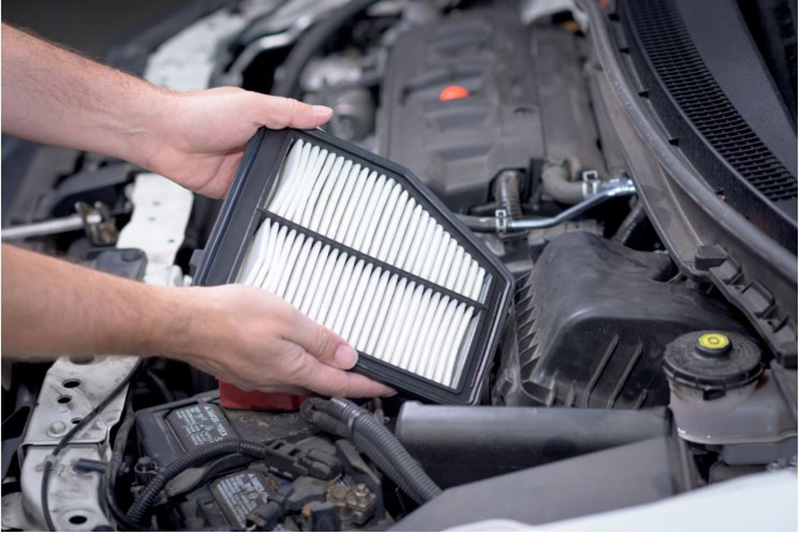
Understanding the HEPA H13 Filter: A Global Clean Air Champion
If you've ever paused to consider what keeps the air in hospitals, clean rooms, or even your home fresh and safe, the hepa h13 filter is likely part of that story. Though it sounds technical — and it is, a bit — this high-efficiency particulate air filter is quietly crucial worldwide. Its ability to capture microscopic contaminants doesn't just improve air quality; it safeguards health, especially where air purity is non-negotiable.
From battling industrial pollution to improving indoor air in urban high-rises, understanding the HEPA H13 filter’s role goes beyond the gadget aisles of appliances. It’s about global health, ecosystem balance, and even humanitarian aid. Let’s unpack why the HEPA H13 filter matters so much and how it continues reshaping air quality management everywhere.
The Global Relevance of HEPA H13 Filters
Air pollution is among the top environmental risks to human health, according to the World Health Organization (WHO). Roughly seven million people die annually from exposure to polluted air — a staggering number. Enter the HEPA H13 filter, one of the more advanced air filtration standards globally certified by the ISO 29463 norm, designed to capture at least 99.95% of airborne particles down to 0.3 microns.
Not just a tool for homes, these filters serve critical roles in hospitals, laboratories, and manufacturing plants worldwide. For example, the United Nations Environment Programme advocates air quality control technologies like HEPA filters, especially in urban hotspots and post-disaster recovery zones where dust and pollutants surge.
However, the complexity lies not just in the demand for clean air — it’s in the challenge: effective, cost-efficient filtration that holds up under diverse conditions. HEPA H13 filters bridge this gap.
Mini Takeaway:
- HEPA H13 filters are globally recognized as critical for air purification.
- They address a dire health challenge related to air pollution and safety.
- Widely adopted in both humanitarian and industrial settings.
What Exactly Is a HEPA H13 Filter?
In simpler terms, a HEPA H13 filter is a specialized air filter designed to trap ultra-fine particles — including allergens, bacteria, and even some viruses — from the air. The “H13” rating refers to the filter’s classification according to European standard EN 1822, guaranteeing at least 99.95% filtration efficiency for particles as small as 0.3 microns.
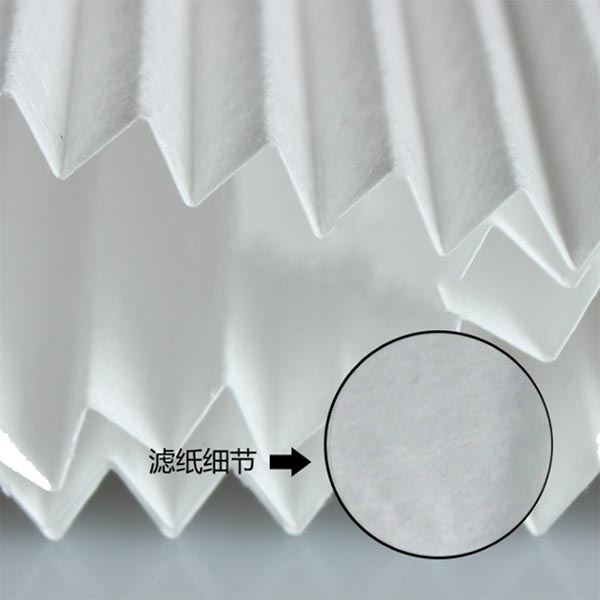
Unlike regular vacuum or furnace filters, this type of HEPA filter uses densely packed fibers arranged to catch and hold particles through mechanisms like interception, diffusion, and electrostatic attraction. Think of it as an intricate net so fine the tiniest dust specks or airborne pollutants simply can’t slip through.
In industries, these filters safeguard sterile environments — say, pharmaceutical production or electronics manufacturing — where even a speck of dust could mean disaster.
Meanwhile, in humanitarian contexts, like emergency shelters or relief hospitals, they help provide breathable, safe air to vulnerable populations.
Mini Takeaway:
- HEPA H13 filters capture nearly all particles ≥0.3 microns.
- The H13 rating is a stringent benchmark ensuring top-grade filtration.
- Used in both industrial and humanitarian critical environments.
Core Components and Key Factors Behind HEPA H13 Filters
1. Filtration Efficiency
The defining factor is strict filtration capacity. HEPA H13 filters must remove 99.95% of airborne particles, ideal for controlling harmful contaminants like pollen, pet dander, smoke, bacteria, and fungi spores. This efficiency makes them indispensable in places where even microscopic pollution is a threat.
2. Material Composition
Typically, these filters are constructed from borosilicate glass microfibers randomly arranged, a feature that increases trapping surface area without adding airflow resistance. Some modern variants incorporate synthetic fibers or electrostatically charged elements to boost performance.
3. Durability and Maintenance
While the filter media can last months to years depending on exposure, maintaining their integrity requires proper handling. The dense filters can clog over time and impact airflow, so timely replacement or cleaning (where applicable) is essential.
4. Scalability and Customization
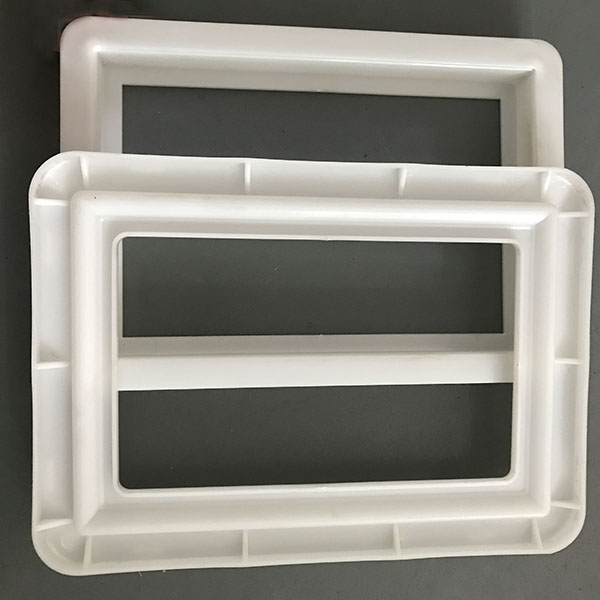
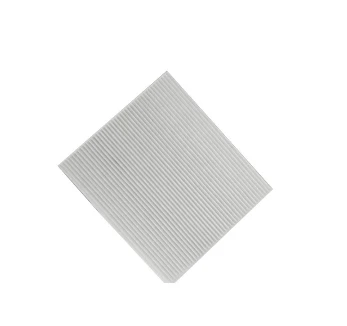
HEPA H13 filters come in various forms—panels, cartridges, or cylindrical units—to fit different equipment and settings. Their design flexibility means they can scale from mobile air purifiers to whole-building systems without losing efficiency.
5. Cost Efficiency Over Time
They’re not the cheapest in initial purchase but generally win in lifecycle cost by reducing disease transmission, equipment repair needs, and energy use through effective air treatment.
Mini Takeaway:
- Efficiency stems from fine fibers and multilayered capture mechanisms.
- Material durability and proper maintenance are vital for long-term use.
- Modularity allows them to fit a wide array of applications and budgets.
Real-World Applications: Where HEPA H13 Filters Make an Impact
The beauty of HEPA H13 filters is their versatility. Consider:
- Healthcare facilities: Clean rooms and operating theaters depend on HEPA H13 filters for sterile, infection-free air.
- Disaster relief and humanitarian missions: Following events like wildfires or volcanic eruptions, filters are fitted to portable purifiers and shelters to protect displaced people from toxic dust.
- Industrial sectors: Semiconductor fabrication, pharmaceuticals, and aerospace manufacturing deploy these filters to maintain critical contamination controls.
- Residential and commercial buildings: Especially in densely polluted cities, these filters are increasingly integrated into HVAC systems.
Oddly enough, in far-flung mining camps or remote industrial zones, I’ve seen portable HEPA H13 air units stretched into duty as the unsung heroes against dust storms and toxic particulates. Their portability combines well with efficiency, making clean air accessible where infrastructure is minimal.
Mini Takeaway:
- HEPA H13 filters find use in diverse geographies and sectors.
- They protect human health from airborne hazards in demanding environments.
- Innovation has expanded their reach from large-scale industry to mobile applications.
Specification Overview of a Typical HEPA H13 Filter
| Specification |
Details |
| Filtration Efficiency |
≥ 99.95% at 0.3 microns |
| Media Composition |
Borosilicate glass microfiber (with synthetic variants) |
| Dimensions |
Varies; standard panel sizes 24x24x1 inch common |
| Airflow Resistance |
Typically 250-450 Pa at rated airflow |
| Service Life |
6 to 12 months depending on environment |
Comparing Leading HEPA H13 Filter Suppliers
| Vendor |
Product Range |
Pricing |
Custom Solutions |
Lead Times |
| PureAir Filters |
Standard & Custom Panels, Cartridge Filters |
Mid-Range |
Yes, client-specified sizes & media |
2-4 weeks |
| CleanTech Solutions |
Industrial & Portable Filters |
Premium |
Limited |
1-2 weeks |
| GreenFilter Tech |
Eco-friendly Fibers, Modular Units |
Competitive |
Extensive |
3-5 weeks |
Advantages and Lasting Value of the HEPA H13 Filter
There’s more to these filters than just clean air. Beyond the tangible benefits of superior filtration efficiency and longevity, HEPA H13 filters contribute to sustainability by reducing the need for frequent replacements, lowering overall waste and energy consumption.
Socially, cleaner air means healthier communities, less respiratory illness, and increased comfort. This impacts workplace productivity and reduces medical costs — benefits that ripple through economies. On an emotional level, knowing your environment is protected by technology grounded in scientific rigor offers peace of mind. After all, safety indoors where families, patients, or workers breathe for hours can’t be overstated.
The Future: Innovations and Emerging Trends in HEPA H13 Filtration
Looking ahead, we’re seeing exciting innovations. Nanofiber enforcements and electrostatically charged filter media promise to increase filtration capacity while lowering airflow resistance. In parallel, the push toward greener manufacturing has led to biodegradable and recyclable filter components.
Automation and IoT-enabled air quality sensors increasingly help monitor filter condition in real time, ensuring maximum efficiency and anticipatory maintenance. Even policy frameworks worldwide are tightening air quality standards, nudging more industries toward adopting HEPA H13 technology.
These trends hint that filter performance will climb while costs gradually fall, making advanced clean air access a global norm rather than a niche luxury.
Overcoming Common Challenges
Every technology has its hurdles, and HEPA H13 filters are no exception. The main challenges often happen around:
- Pressure drop and airflow restriction powering energy-hungry fans.
- Filter clogging in polluted environments requiring frequent replacements.
- Cost barriers for small businesses or low-income regions where industrial-grade air filtration feels out of reach.
To offset these, some experts recommend hybrid solutions—combining HEPA media with pre-filters or UV sterilizers. Others are developing modular systems that adjust filtration dynamically based on the air quality input, saving energy. Finally, collaborative models where NGOs or governments subsidize filters can accelerate deployment to vulnerable communities.
Frequently Asked Questions about HEPA H13 Filters
- Q: How often should a HEPA H13 filter be replaced in a typical home purifier?
- A: Generally, every 6 to 12 months depending on usage and air quality. In dusty or polluted areas, replacement might be sooner to maintain efficiency.
- Q: Can a HEPA H13 filter trap viruses such as COVID-19?
- A: HEPA H13’s filtration efficiency extends well to virus-sized particles attached to respiratory droplets, making it effective for indoor air protection, although no filter guarantees 100% removal.
- Q: Are HEPA H13 filters compatible with existing HVAC systems?
- A: Many HVAC units can be retrofitted to accept HEPA filters, but it's important to ensure your system’s fan can handle the increased airflow resistance to avoid performance drops.
- Q: What distinguishes HEPA H13 from lower-grade HEPA filters?
- A: The H13 rating guarantees a minimum 99.95% efficiency at particles 0.3 microns, surpassing lower grades like H10 or H11 that filter less effectively, especially for very fine particulates.
- Q: Are there eco-friendly options within HEPA H13 filters?
- A: Yes, some vendors now offer filters made from biodegradable fibers or recyclable frames, balancing performance with environmental responsibility.
Conclusion: Breathing Easier with HEPA H13 Filters
Behind every deep breath in a hospital, factory, or even at home, there’s often a HEPA H13 filter working tirelessly to shield us from invisible threats. Its unparalleled efficiency, adaptability, and critical application across global sectors prove its lasting value. More than a product, it’s a trusted partner for health, safety, and sustainability.
Curious to explore the full range of HEPA H13 filtration solutions? Visit https://www.mfiltersolution.com and breathe easier knowing you’re backed by the best in air purification technology.
Quick Reflection
The journey of the HEPA H13 filter is a fascinating blend of science, health, and global responsibility. Learning about these filters offers a glimpse not only into engineering brilliance but also a hopeful path toward cleaner, safer air for all. It’s one thing to know the filter exists — it’s quite another to appreciate how deeply it touches daily life worldwide.
References
- WHO Ambient Air Quality and Health Fact Sheet
- HEPA - Wikipedia
- ISO 29463 Standards — High Efficiency Air Filters