Mar . 17, 2026
The demand for clean air is ever-increasing across industries, driving a need for efficient and reliable air filtration systems. At the heart of these systems lies the PP (Polypropylene) air filter, and the machinery used to produce them is critical. This article provides an in-depth look at PP air filter making machines, their functionality, applications, and key considerations when choosing the right equipment for your business. We will also cover the benefits of investing in automated solutions and the future trends shaping this vital sector.
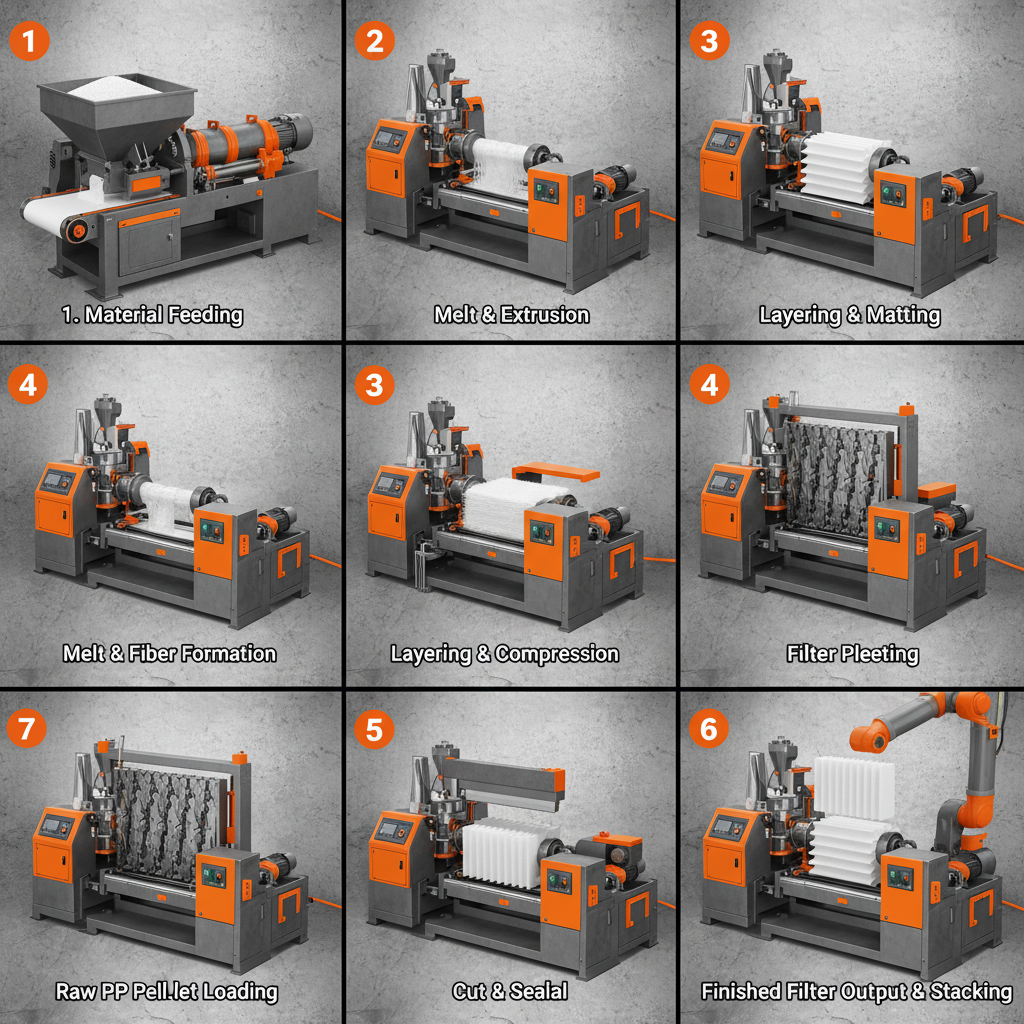
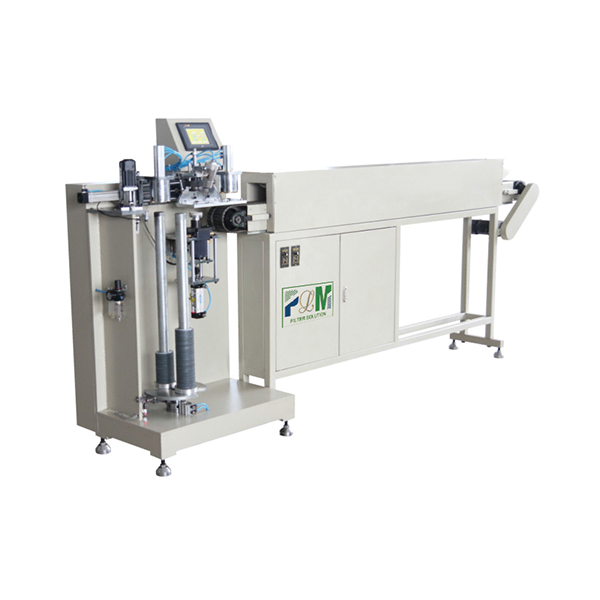
A PP air filter making machine automates the process of converting polypropylene material into various filter types – pleated filters, pocket filters, and roll media filters are common examples. These machines typically incorporate several key components: a feeding system for the PP material, a forming/pleating mechanism, a sealing system (often using hot melt adhesive), and a cutting/trimming station. The level of automation can vary, ranging from semi-automatic machines requiring manual material handling to fully-automatic lines that handle the entire process from raw material input to finished product output. These machines are crucial for ensuring consistent quality, high production volumes, and reduced labor costs.
Key Benefits: Automated production, consistent filter quality, reduced labor dependency, increased production capacity, and adaptable to various filter configurations.
The market offers diverse PP air filter making machines designed for specific filter types and production scales. Here’s a breakdown of common types:
The selection depends on the targeted filter products, production volume and budget.
Choosing the Right Machine:
• Consider the types of filters you intend to produce.
• Evaluate your production volume requirements.
• Assess your budget and available floor space.
• Look for machines with robust construction and reliable components.
Understanding the specifications of a PP air filter making machine is crucial for making an informed purchase. Here's a comparison of features you should consider:
The global air filter market is experiencing significant growth, driven by increasing concerns about air quality, particularly in urban areas and industrial settings. Demand for high-efficiency PP filters is rising, and manufacturers are responding with more sophisticated and automated production equipment. Trends include a shift towards energy-efficient machines, integration of smart technologies for real-time monitoring and control, and a focus on sustainable manufacturing practices. Companies like M Filter Solution are at the forefront of this innovation, offering cutting-edge PP air filter making machines designed to meet the evolving needs of the market.
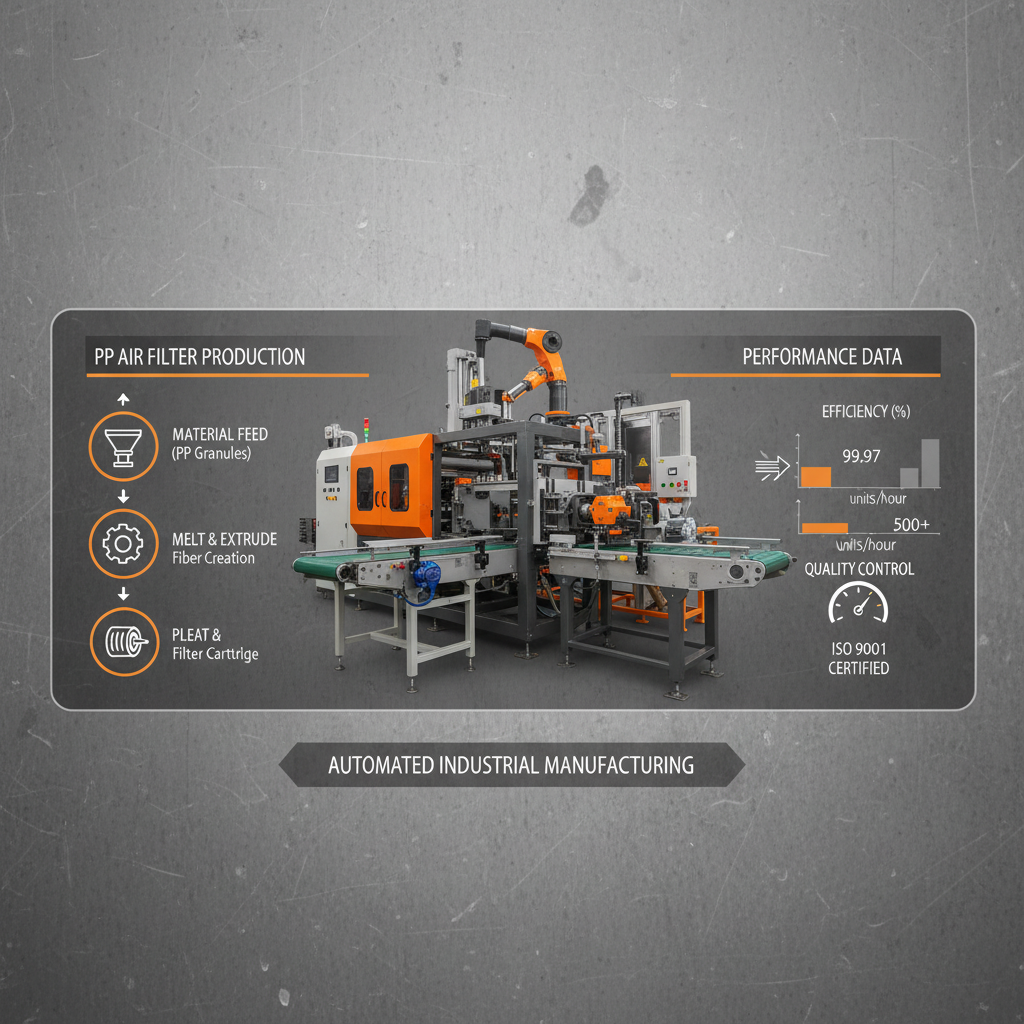
Investing in a PP air filter making machine is a strategic decision for businesses looking to capitalize on the growing demand for clean air solutions. Choosing the right machine requires careful consideration of your specific needs, production goals, and budget. By partnering with a reputable supplier like M Filter Solution, you can ensure you obtain a high-quality, reliable machine that will drive efficiency and profitability for years to come.
Lead times can vary depending on the complexity of the machine and the manufacturer's current workload. Generally, expect a lead time of 4-12 weeks for standard machines, and potentially longer for customized configurations. It's essential to discuss delivery timelines with the supplier upfront to ensure it aligns with your project schedule. Factors such as material availability and international shipping (if applicable) can also influence the lead time.
Regular maintenance is crucial for ensuring optimal performance and longevity. This typically includes daily cleaning, lubrication of moving parts, inspection of belts and filters, and periodic checks of the electrical system. More extensive maintenance, such as replacing worn components or calibrating sensors, should be performed by qualified technicians. Following the manufacturer's recommended maintenance schedule is key to preventing costly downtime and extending the machine's lifespan.
Yes, while some machines are relatively user-friendly, proper training is essential for safe and efficient operation. Suppliers often offer training programs covering machine setup, operation, troubleshooting, and basic maintenance. Comprehensive training ensures operators can maximize the machine's capabilities and minimize the risk of accidents or damage. Investing in training is a worthwhile investment that will pay dividends in the long run.
Safety is paramount. Modern PP air filter making machines incorporate several safety features, including emergency stop buttons, safety guards to prevent access to moving parts, overload protection, and interlock systems that halt operation when safety doors are opened. Always ensure the machine meets relevant safety standards and that operators are trained on proper safety procedures.
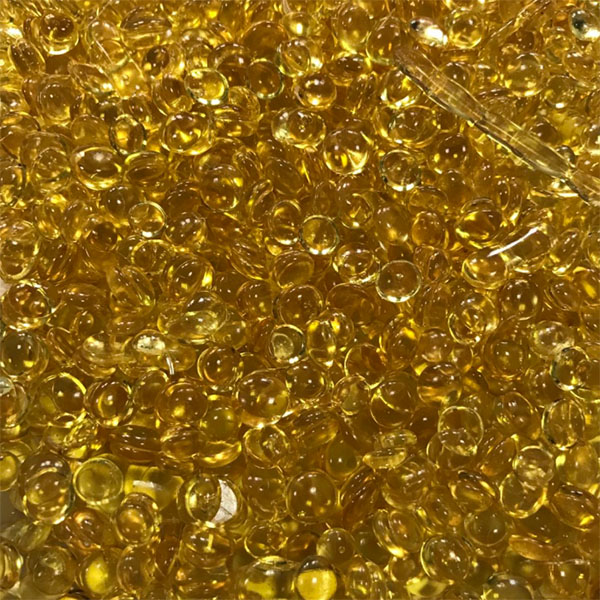
High-Performance Hot Melt Adhesive for Automated Production Lines