Mar . 14, 2026
The demand for high-quality air filters is constantly increasing due to growing concerns about air pollution and the need for clean environments. A PP air filter producing machine is a critical investment for businesses looking to capitalize on this expanding market. This article provides an in-depth look at these machines, their benefits, key features, and factors to consider when making a purchase. We’ll explore how these machines contribute to efficient filter production and meet the rising global demand.
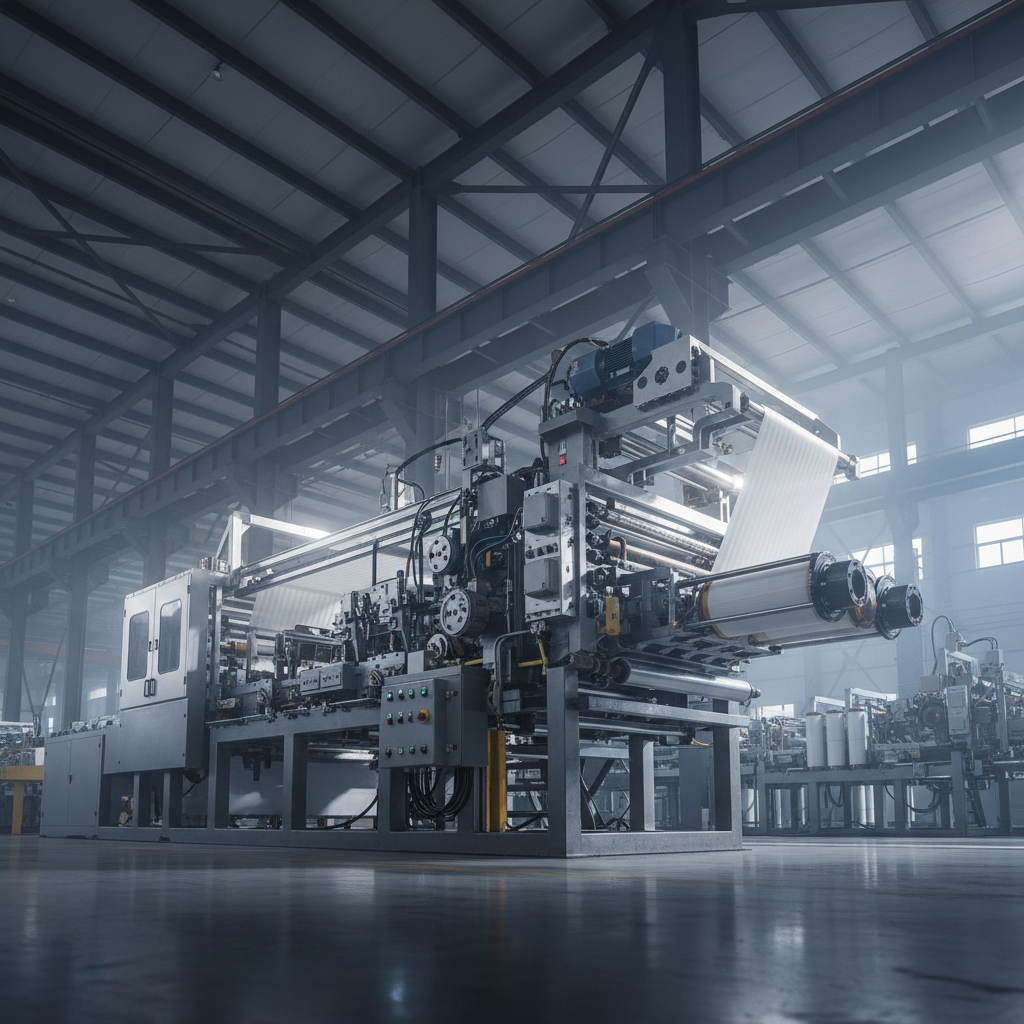
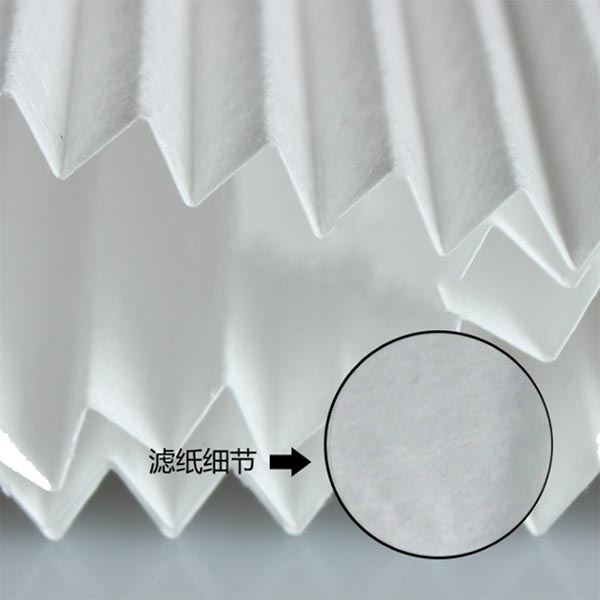
A PP air filter producing machine is designed to automate the process of manufacturing polypropylene (PP) meltblown or spunbond nonwoven fabric filters. These filters are widely used in HVAC systems, automotive applications, and various industrial processes. The machines typically handle tasks such as material feeding, melting, spinning, filtration, folding, and cutting. They offer significant advantages over manual production methods, including increased efficiency, consistent product quality, and reduced labor costs. Selecting the right machine depends on your production volume, desired filter specifications, and budget. A well-chosen PP filter machine can be a game-changer for your business.
Key Benefits: Increased efficiency, consistent product quality, reduced labor costs, and high production capacity.
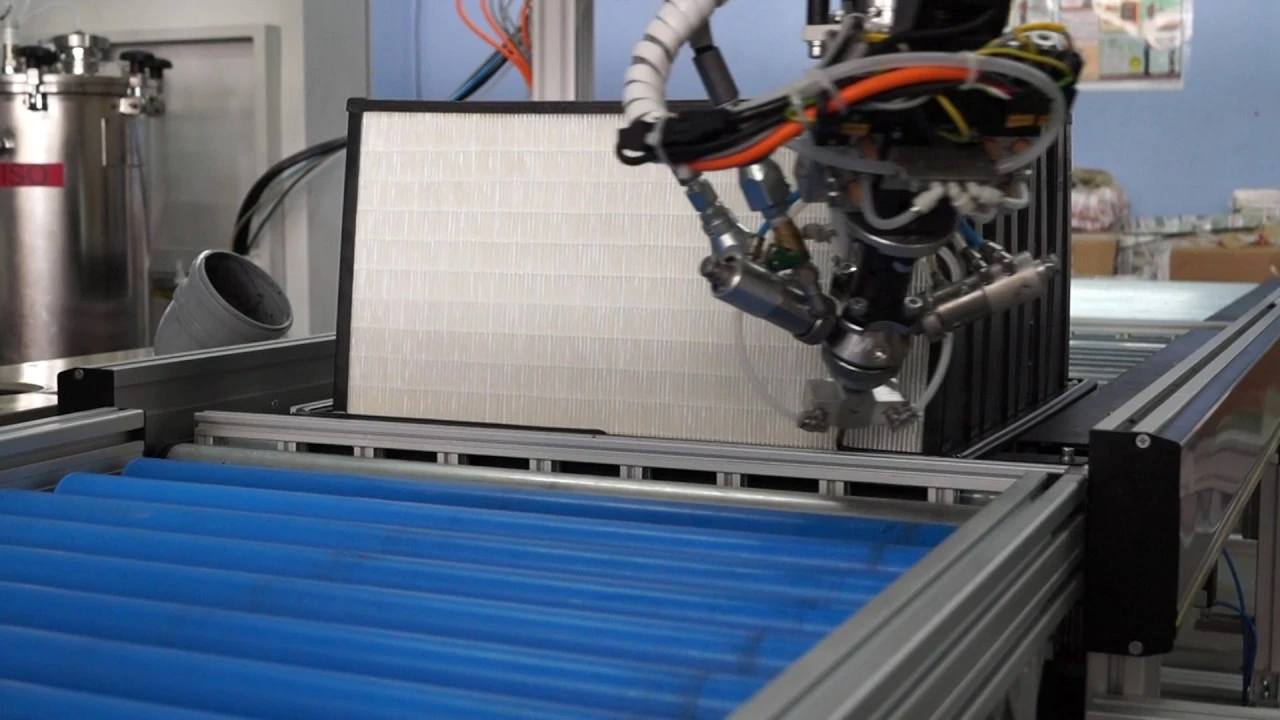
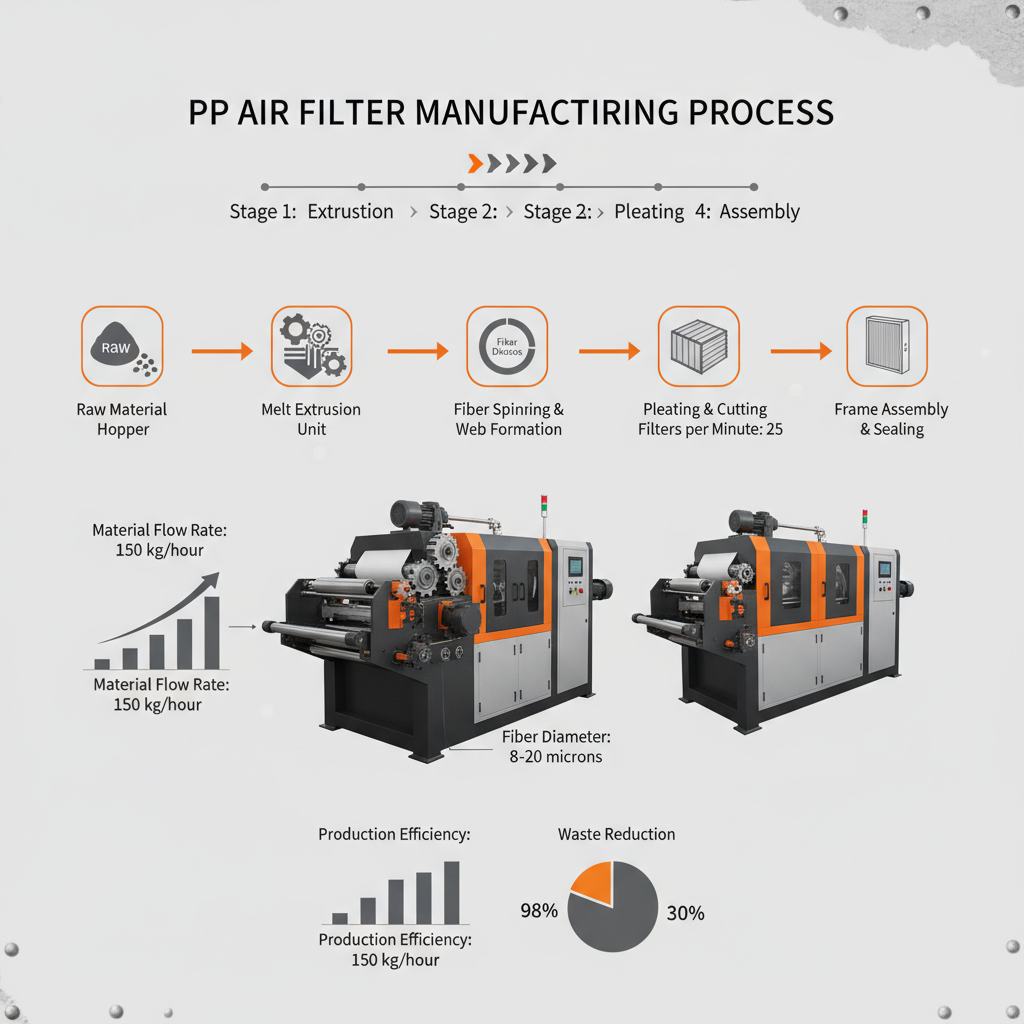
Modern PP air filter producing machines boast a range of advanced features designed to optimize performance and deliver superior results. These typically include: automatic tension control to ensure uniform fabric feeding, PLC control systems for precise operation and monitoring, high-speed cutting and folding mechanisms for efficient processing, and quality control sensors to detect defects. Some machines also offer features like automatic roll changing and web guiding systems for uninterrupted production. These features contribute to greater efficiency, reduced waste, and consistent product quality. Understanding these features will help you choose the best machine for your specific needs.
Essential Features:
• Automatic Tension Control
• PLC Control System
• High-Speed Cutting & Folding
• Quality Control Sensors
There are two main technologies used in PP air filter production: meltblown and spunbond. Meltblown machines produce very fine fibers, resulting in filters with excellent filtration efficiency and high dust-holding capacity. They are ideal for applications requiring high levels of air purity, like HEPA filters. Spunbond machines create larger, more durable fibers, making them suitable for pre-filters and applications where mechanical strength is important. Often, a combination of both technologies (spunbond-meltblown-spunbond or SMS) is used to create filters with a balanced set of properties. Choosing the right technology depends on the intended application of the filter.
Selecting the ideal PP air filter producing machine requires careful consideration of several factors. Production capacity is paramount – determine your current and projected filter demand. The type of filter you intend to produce (meltblown, spunbond, or SMS) will dictate the required machine configuration. Consider the automation level, as more automated machines require less manual labor but typically come at a higher upfront cost. Finally, assess the supplier's reputation, after-sales service, and availability of spare parts. Partnering with a reliable provider, like MFilter Solution, ensures long-term operational success.
The global air filter market is experiencing robust growth, driven by increasing awareness of indoor air quality and stricter environmental regulations. The demand for PP filters, in particular, is projected to rise significantly in the coming years. This growth is fueled by factors such as the expanding HVAC industry, the rising automotive production, and the growing demand for air purification solutions in healthcare facilities. Investing in a PP air filter producing machine now positions your business to capitalize on these favorable market trends.
A PP air filter producing machine represents a strategic investment for businesses aiming to thrive in the rapidly expanding air filtration market. By understanding the different technologies, key features, and market trends, you can make an informed decision that drives efficiency, profitability, and long-term success.
Production capacity varies greatly depending on the machine's size, automation level, and the type of filter being produced. Smaller, semi-automatic machines may produce several hundred filters per hour, while larger, fully automated lines can exceed several thousand filters per hour. Factors like filter size, material thickness, and machine speed all play a role. It's crucial to accurately assess your production requirements to select a machine with the appropriate capacity.
Regular maintenance is essential to ensure optimal performance and longevity. This includes cleaning the machine components, lubricating moving parts, inspecting belts and rollers for wear, and replacing filters and worn-out parts as needed. It’s also important to regularly calibrate the sensors and control systems. A comprehensive maintenance schedule provided by the manufacturer should be followed diligently. Preventative maintenance can significantly reduce downtime and extend the machine's lifespan.
The cost of a PP air filter producing machine can vary widely depending on its specifications, automation level, and brand. Smaller, semi-automatic machines may cost between $50,000 and $150,000, while larger, fully automated lines can range from $200,000 to $500,000 or more. Factors like customization, installation costs, and training expenses also contribute to the overall investment. Getting a detailed quote from reputable suppliers like MFilter Solution is essential.
Safety is paramount when operating these machines. Ensure that all operators are properly trained on machine operation and safety procedures. Install appropriate safety guards and interlocks to prevent accidental contact with moving parts. Provide personal protective equipment (PPE) such as safety glasses, gloves, and ear protection. Regularly inspect the machine for any safety hazards and address them promptly. Follow all manufacturer's safety recommendations and adhere to relevant safety regulations.
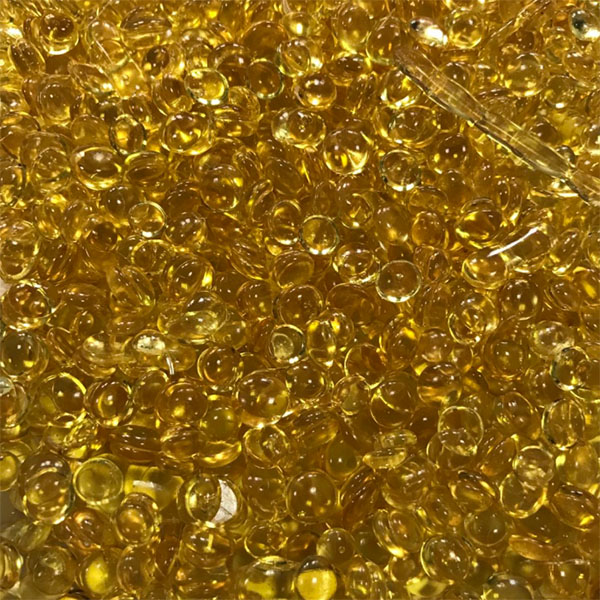
High-Performance Hot Melt Adhesive for Automated Production Lines