Why Teabag Filter Paper Matters More Than You Think
At first glance, teabag filter paper might seem like just another kitchen staple, a humble little thing that helps your morning cup of tea taste just right. But dig a little deeper, and you’ll find it’s a surprisingly big deal on a global scale — touching everything from sustainability efforts and industrial processes to humanitarian aid. I mean, who knew that a simple sheet of paper could hold such significance?
Understanding teabag filter paper isn’t just about size or flavor; it’s about innovation in material science, environmental responsibility, and global supply chain challenges. Whether you’re a manufacturer, a business owner, or just a curious mind, diving into the world of teabag filter paper reveals some fascinating intersections of technology, economics, and ecology that benefit us all.
Let’s take a closer look at the ins and outs of this seemingly simple product, why the world depends on it, and what the future holds.
The Global Stage: Why Teabag Filter Paper is Gaining Attention
Globally, tea remains one of the most consumed beverages—second only to water, roughly 5 billion cups every day according to Wikipedia. Behind that daily ritual is a booming industry that demands quality and sustainability. The teabag filter paper acts as the unsung hero, ensuring flavor extraction while being eco-friendly and safe.
More than 60% of teabags worldwide use specialized filter paper, meeting standards set by bodies like the ISO. The challenge? Balancing biodegradability, strength during steeping, and cost-effectiveness. There’s increasing pressure from regulations pushing companies to ditch plastics embedded in filter materials by 2025, so the demand for quality filter paper is soaring.
Industries beyond tea—such as pharmaceuticals and food production—also utilize similar filter paper for precision filtration. In humanitarian contexts, especially post-disaster relief, teabag filter paper tech is adapted to water purification solutions. So yes, it’s quite the versatile material.
What Exactly is Teabag Filter Paper?
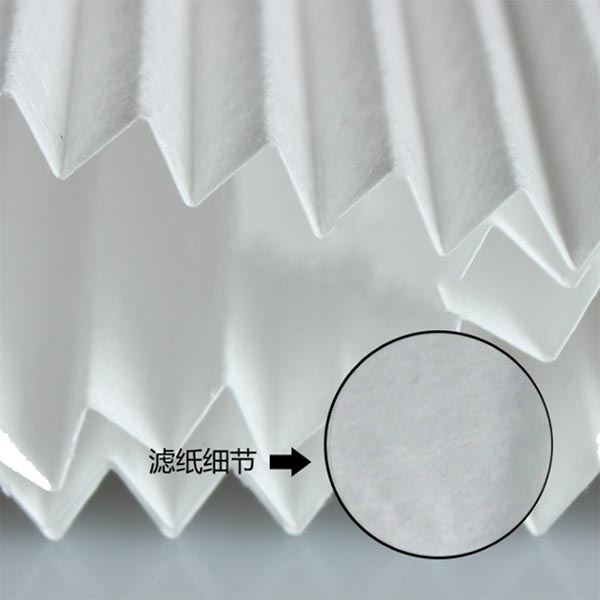
At its core, teabag filter paper is a specific kind of cellulose-based paper designed to hold loose tea leaves securely while allowing water to flow through and extract flavor. It’s thin yet durable, heat-sealable, and usually made without chlorine to avoid harmful residues.
While it’s just a sheet of paper on the surface, its manufacturing involves smart lamination of fibers and sometimes additives that improve heat resistance and wet strength. The end goal is a product that won’t disintegrate too quickly, won’t leak, and isn’t harmful to health or the environment.
Modern industrial uses borrow from this, applying similar paper filters in scales ranging from small tea bags to large-scale filtering of liquids in remote-controlled devices or environmental sensors.
Core Properties That Make It Work
- Durability: Withstanding wet conditions without tearing or dissolving too fast.
- Porosity: Allowing water to pass freely while retaining tea leaves or other solids.
- Food Safety: Free of harmful chemicals, FDA compliant.
- Biodegradability: Designed to degrade naturally, limiting landfill impact.
- Heat Sealing Capability: Strong enough to seal edges for bag formation.
- Sustainability: Made from renewable fibers, often from FSC-certified sources.
Each of these factors relates tightly to practical use. It’s the balance of these that defines a product’s overall reliability during production and consumer use.
Real-World Uses: Where Teabag Filter Paper Shines
Think tea chambers in your local café — but also think hospitals in remote areas needing controlled drug filtration. Or think of massive food processing factories that use filter paper derivatives for quality and safety checks. A lot of industries, big and small, depend on this humble product.
In regions like India and China, which are also major tea producers, teabag filter paper is critical for packaging innovation. It helps local manufacturers meet export standards and global consumer demands for sustainable packaging.
In humanitarian relief, imagine refugee camps where safe potable water is scarce. Crisp filter papers akin to teabag filter paper are adapted into portable water filtration units. The fine balance of strength and permeability makes them excellent for these life-critical roles.
Mini takeaway:
Teabag filter paper might be small, but its impact stretches globally—across industries, cultures, and urgent humanitarian needs.
Advantages & Long-Term Value of Quality Filter Paper
The benefits here are both practical and emotional. From a business perspective, quality teabag filter paper reduces product contamination and waste, improving ROI. Consumers feel confident buying teas with biodegradable, chemical-free bags. It’s trust and brand value wrapped in a simple filter sheet.
- Cost efficiency: Good filter paper reduces production waste and shipping weight.
- Environmental sustainability: Lesser plastic waste and compostable options aligning with circular economies.
- Consumer safety and satisfaction: No residual chlorine, no microplastics.
- Innovation & Customization: Filters tailored for specific tea types (green, black, herbal) enhance aroma.
And emotionally — there’s a sense of dignity for artisanal tea producers and consumers who care about the planet. It feels good to sip from something that doesn’t leave a lasting harmful footprint, right?
Product Specification Table: Typical Teabag Filter Paper
| Feature |
Value |
Notes |
| Basis Weight |
15-20 gsm |
Optimized for strength & flow |
| Composition |
100% Cellulose fibers |
No synthetic fibers |
| Moisture Content |
6-8% |
Ensures pliability |
| Heat Sealability |
Yes, via polyethylene layer |
Facilitates bag formation |
| Biodegradability |
> 90% in 90 days |
Compostable under industrial conditions |
Comparing Top Vendors for Teabag Filter Paper
| Vendor |
Sustainability |
Price Range |
Key Strength |
Global Reach |
| GreenLeaf Paper Co. |
High (FSC + Compostable) |
$$$ |
Eco-certified product range |
Europe, Asia |
| PureFiltr Solutions |
Medium (PE-free layer) |
$$ |
Innovative heat sealing tech |
North America, India |
| EcoFilter Fabrics |
Very High (Plastic-free) |
$$$$ |
Leading in compostable tech |
Global |
The Road Ahead: Future Trends & Innovations
One of the hottest topics lately is the push for plastic-free teabag filter paper. Developers are creating all-cellulose filter sheets using advanced nanofiber layering, which combine both strength and complete biodegradability. That means no hidden polyethylene layers — just pure material that composts at home.
Also, automated quality control using AI-powered inspection systems ensures less defective filter paper hits the shelves. Smart packaging with embedded QR codes for transparency and traceability in the supply chain is another jump forward, giving consumers confidence about the sustainability journey of their brew.
And oddly enough, some innovations crossover with medical filtration membranes—meaning materials originally designed for health tech are inspiring next-gen teabag papers.
Overcoming Challenges in Teabag Filter Paper Production
Despite progress, manufacturers wrestle with a few persistent issues:
- Balancing compostability and heat-sealability: Fully plastic-free paper struggles to seal well on automated lines.
- Cost pressures: Sustainable fibers often cost more, making mass adoption tricky for low-margin producers.
- Quality consistency: Variations in fiber sources cause batch-to-batch unpredictability.
Experts recommend investing in R&D partnerships and exploring hybrid materials (like biodegradable biopolymers) to bridge these gaps. Plus, better supplier collaboration through transparent supply chain networks helps combat quality fluctuations.
FAQs About Teabag Filter Paper
- Q: What sets teabag filter paper apart from regular paper filters?
- A: Teabag filter paper is specially designed to be food-safe, steam heat-sealable, and maintain structural integrity when wet — unlike standard paper filters that might tear or leach chemicals.
- Q: Can I compost teabag filter paper at home?
- A: It depends on the type. Many modern teabag papers are compostable in industrial settings, but some may take longer to break down at home due to residual polyethylene layers. Look for certified compostable labels.
- Q: How does teabag filter paper affect flavor extraction?
- A: The porosity and fiber composition influence how quickly water extracts tea compounds. High-quality filter paper optimizes flow without trapping flavors, ensuring a balanced cup.
- Q: Are there eco-friendly alternatives to traditional teabag filter paper?
- Yes, alternatives include mesh made from biodegradable plant fibres, or even reusable stainless steel infusers. But biodegradable paper remains the most scalable and cost-effective option.
Wrapping Up: Why Teabag Filter Paper Deserves Your Attention
So, the next time you dunk your favorite tea bag in your cup, remember it’s more than just paper. It’s a carefully engineered product balancing right down to the fiber to deliver safety, sustainability, and sensory delight — often under the radar, quietly supporting industries and livelihoods worldwide.
If you want to explore high-quality, eco-conscious teabag filter paper solutions for your business or projects, don’t hesitate to check out specialized suppliers who can tailor grades and certifications to your needs.
In a world striving for greener practices and smarter materials, teabag filter paper is one small hero making a big difference. Not bad for a simple sheet.
References
- Wikipedia: Tea
- ISO Standard on Tea Filter Bags
- United Nations Environment Programme Resources