Understanding Pig Semen Filter Paper: Its Role and Relevance Globally
When you first hear pig semen filter paper, you might wonder why it's even a thing. But it’s actually a surprisingly key component in today's livestock breeding industry. Globally, animal husbandry is a massive economic pillar, and ensuring the quality of semen used for artificial insemination is crucial for both productivity and animal health. Beyond farming, methods that improve breeding efficiency can impact food security and farming sustainability worldwide. So, understanding pig semen filter paper, its technology, and applications can shed light on a niche yet vital part of global agriculture innovation.
Introduction: Why Pig Semen Filter Paper Matters Worldwide
According to the Food and Agriculture Organization (FAO), the global pork market continues to grow, with millions of sows artificially inseminated every year. But successful insemination starts with purity and viability of the semen samples. Impurities, bacteria, or debris can reduce fertility rates — costing farms serious money. This is where pig semen filter paper plays a critical part. By filtering out contaminants, it helps ensure only high-quality semen reaches sows.
Oddly enough, the problem this paper tackles is both simple and complex: maintaining sterility while allowing efficient lab or on-farm testing. And the stakes are high — with over 113 million pigs slaughtered globally in 2022 (USDA, 2023), breeding efficiency is tied directly to supply chains and food security.
Mini takeaway: Pig semen filter paper helps improve the efficacy and reliability of artificial insemination in pig farming, which supports food supply and farming economics globally.
What Is Pig Semen Filter Paper?
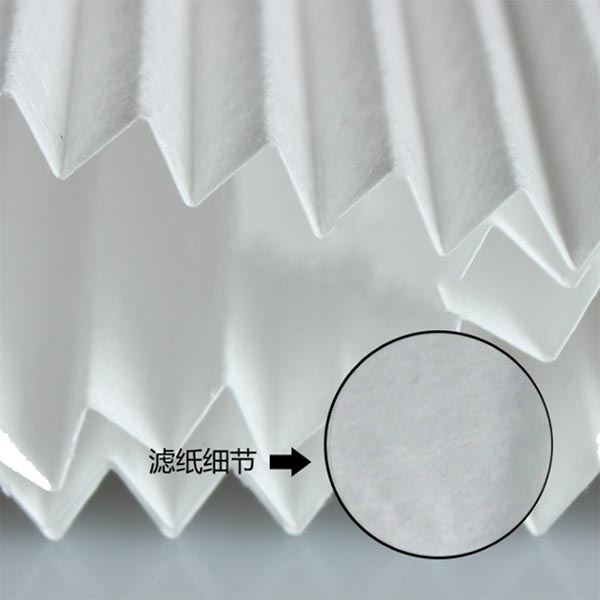
In simple terms, pig semen filter paper is a specialized type of laboratory-grade filtering media designed specifically to remove particulate impurities from pig semen samples during processing and analysis. It is usually made from refined cellulose fiber with specific pore sizes to trap unwanted solid particles and bacteria without harming sperm cells.
This is directly linked to modern breeding programs and biotechnological advances that rely on clean, viable semen to raise pig populations in controlled environments. Without such filtering methods, contamination risks rise and fertility rates drop.
Key Features of Pig Semen Filter Paper
1. Durability and Strength
The filter paper must be tough enough to handle the viscosity and volume of semen without tearing or breaking down—especially during testing or extended storage. This ensures consistent filtration.
2. Precision in Filtration
It needs finely controlled pore sizes (often around 2–5 microns) to filter out bacteria and debris without damaging sperm cells. A delicate balance, frankly, that many manufacturers perfect through rigorous quality standards.
3. Chemical Inertness
Since semen is a sensitive biological material, the paper must not react chemically or leach substances that could interfere with sperm viability or laboratory assays.
4. Cost Efficiency
To be viable for large scale farming, the filter paper needs to be affordable without sacrificing quality. This supports sustainable farming on a broad scale.
5. Scalability and Availability
Availability in different sizes and formats (discs, sheets) makes it adaptable to various lab setups and automated equipment.
Product Specification Table
| Feature |
Specification |
| Material |
Refined cellulose fibers |
| Pore Size |
2–5 microns |
| Dimensions |
Available in 90mm discs, 100x100mm sheets, custom sizes |
| Tensile Strength |
>150 kPa |
| Chemical Reactivity |
Non-reactive, inert |
| Shelf life |
12 months unopened |
Global Applications & Use Cases
The demand for pig semen filter paper spans continents. In Europe, where pig breeding is heavily industrialized, filter papers are integrated into automated semen handling equipment to maintain hygiene standards. In Asia, particularly in China’s vast pork industry, the paper supports laboratory analysis before insemination to maximize fertility rates. South America, with its expanding pig farming, uses these filters for quality assurance in rural regions where lab access might be limited.
An interesting case: In disaster recovery zones where food production is disrupted, NGOs sometimes deploy rapid artificial insemination programs to stabilize livestock populations. There, portable pig semen filter paper kits help maintain sample integrity with limited lab infrastructure.
Mini takeaway: Pig semen filter paper is a silent but vital enabler across diverse farming scales—from high-tech labs to field operations worldwide.
Advantages & Long-Term Value
- Cost Savings: By improving insemination success, farms lower the cost per piglet and reduce resource waste.
- Sustainability: Cleaner semen means fewer health risks and reduces antibiotic use, contributing to responsible farming.
- Reliability: Consistent filter performance builds farmer trust and supports scalable breeding programs.
- Social Impact: Efficiency gains bolster food security, especially in growing populations reliant on pork as a protein source.
It’s easy to underestimate something as simple as filter paper. But underneath it all lies a tool that amalgamates innovation and tradition—helping farmers with safety and dignity for their livestock and families.
Future Trends & Innovations in Pig Semen Filtering
Automation keeps creeping into all corners of animal production, including semen processing. Smart filter papers embedded with sensors or treated with antimicrobial agents are under development to monitor sample quality in real-time. Environmental concerns are driving demand for biodegradable and eco-friendly materials, reducing landfill impact from single-use lab products.
Plus, digital monitoring tied into cloud farm management systems promises precision breeding on a scale never seen before. It feels like this small piece of paper is quietly evolving into a high-tech solution hub.
Current Challenges & Practical Solutions
One common limitation is balancing pore size with flow rate—filter paper that clogs easily hampers throughput in busy labs. Manufacturers cope by layering filter media or using composite papers. Another challenge is affordability in regions with limited budgets, where generic or low-quality papers threaten sample integrity. Experimentation with local, sustainable fibers is ongoing in some countries to cut costs without sacrificing quality.
Vendor Comparison Table
| Supplier |
Price (per 100 sheets) |
Pore Size Range (microns) |
Biodegradable |
Global Availability |
| MFilterSolution |
$45 |
2–5 |
Yes |
Worldwide |
| AgriLabs Inc. |
$38 |
3–7 |
No |
North America, Europe |
| BioFilter Solutions |
$50 |
1–4 |
Yes |
Asia, South America |
FAQ: Frequently Asked Questions about Pig Semen Filter Paper
- Q: How do I choose the right pore size for pig semen filter paper?
-
A: Generally, a pore size between 2 and 5 microns is ideal—small enough to remove bacteria and debris but large enough to avoid damaging sperm cells. Consider your lab’s specific application and ask suppliers for validated specs.
- Q: Can pig semen filter paper remove viruses or just bacteria?
-
A: While the filter paper effectively traps particulates and many bacteria, viruses are usually too small to be filtered out by these pores. Additional sterilization or quarantine protocols are recommended for viral control.
- Q: Is it safe to use reused pig semen filter paper to cut costs?
-
A: Reusing filter paper is highly discouraged. It risks contamination and can compromise semen viability, leading to reduced fertilization rates and potential disease spread.
- Q: Are there eco-friendly options available for pig semen filter paper?
-
A: Yes, many manufacturers, including MFilterSolution, offer biodegradable filter papers made from sustainably sourced materials that degrade safely after use.
Conclusion: Why Pig Semen Filter Paper is Worth Your Attention
In real terms, pig semen filter paper might seem like a small cog in the massive machinery of global pork production. But its impact on efficiency, sustainability, and biosecurity runs deep. From boosting farm profitability to supporting global food demands, it underpins smarter, more responsible livestock breeding. If you are involved in the pig breeding sector or agricultural biotech, exploring the products and innovations in filter paper can pay off. Curious? You might want to visit our detailed resources at MFilterSolution for more insights and solutions.
A small piece of filter paper—we sometimes overlook it, but it truly helps steer the future of farming.
References
- FAO Pork Sector Overview
- United States Department of Agriculture - Livestock Data
- Wikipedia: Pig Breeding