Understanding Synthetic Filter Media: A Game-Changer in Modern Filtration
When we talk about synthetic filter media, we’re diving into a fascinating world where chemistry meets engineering to solve some of today’s most pressing environmental and industrial challenges. Oddly enough, despite its technical nature, synthetic filter media affects our daily lives more than we often realize—from clean drinking water to air purification systems that keep factories safe. Frankly, with global pollution concerns rising and industries scaling up rapidly, understanding synthetic filter media is more relevant than ever. It’s simply essential for the future of sustainable filtration.
Global Context and Why It Matters
Globally, air and water pollution cause millions of premature deaths yearly according to the World Health Organization. And while regulations like the ISO 14001 Environmental Management push industries toward greener practices, the technologies to meet these standards must keep pace. Synthetic filter media plays a crucial part in this transition. Nations across Asia, Europe, and North America rely on these innovations to filter contaminants from industrial emissions or municipal water supplies.
Take the UN’s Sustainable Development Goal 6 on clean water and sanitation—filter technologies based on synthetic polymers and engineered textures help deliver safer water, especially in disaster-prone regions. Without them, achieving these targets would be near-impossible.
Defining Synthetic Filter Media
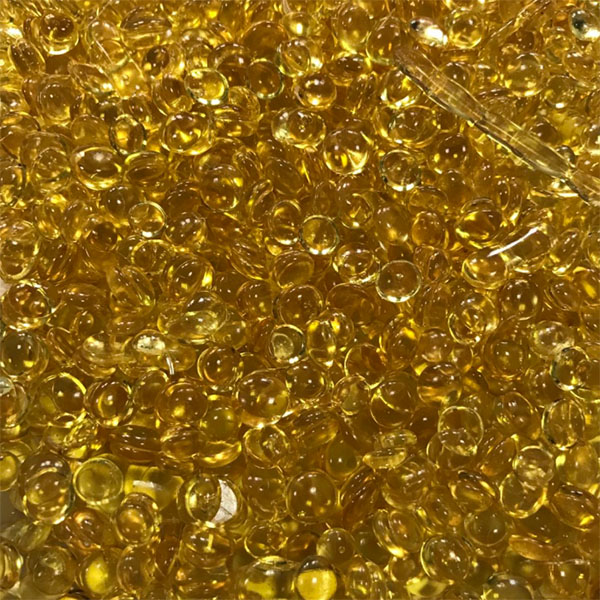
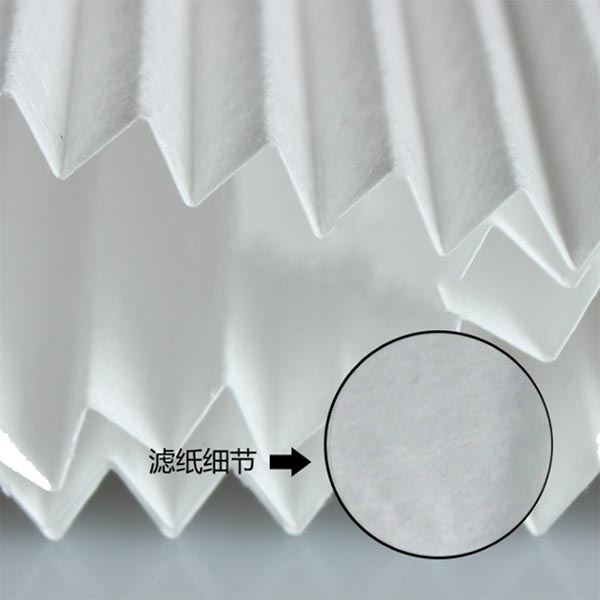
So, what are synthetic filter media exactly? Simply put, they are manufactured materials—often made from polymers such as polypropylene, polyester, or nylon—designed to physically trap dust, bacteria, particulates, or oil. Unlike traditional natural fibers (like cotton or cellulose), these synthetic types offer greater consistency, resistance to moisture, and customizable pore sizes.
In practical terms, synthetic filter media enables everything from air purifiers in hospitals to industrial dust collectors and even gasoline vapor recovery systems. Their versatility is impressive because they’re engineered to meet very specific filtration grades and operational conditions.
Key Features of Synthetic Filter Media
1. Durability
Synthetic fibers resist degradation from moisture, chemicals, and UV exposure better than natural alternatives. That means filters last longer and perform more reliably in harsh environments.
2. Scalability and Customization
Thanks to modern manufacturing, pore sizes and fabric thicknesses can be tailored precisely. Industries can select media that balance air flow and filtration efficiency without compromise.
3. Cost Efficiency
While synthetic media might carry a higher upfront cost than basic natural options, they often reduce operational expenses by lasting longer and requiring less frequent replacement.
4. Chemical and Thermal Resistance
Many synthetic media withstand exposure to industrial chemicals and higher temperatures, essential for sectors like chemical manufacturing or power generation.
5. Lightweight and Compact Design
This allows for more ergonomic filters and easier installation, which you might not think about until you’re changing a bulky, heavy unit on a roof or in a plant.
Product Specification Table: Typical Synthetic Filter Media Characteristics
| Property |
Specification |
Units |
| Fiber Type |
Polypropylene / Polyester |
- |
| Mean Pore Size |
0.5 – 10 |
micrometers (μm) |
| Thickness |
0.3 – 3 |
mm |
| Operating Temperature |
-40 to +120 |
°C |
| Water Repellency |
Hydrophobic |
- |
Real-World Applications of Synthetic Filter Media
These materials have quite the range. You’ll find synthetic filter media in:
- Water treatment plants—to capture microplastics and pathogens.
- Industrial air filtration—in manufacturing plants across China and Germany.
- Healthcare facilities—from surgical mask layers to HEPA filters in ventilation.
- Post-disaster relief efforts, where rapid-deployment water filters rely on synthetic media for safe drinking water.
- Automotive—cabin air filters use synthetic fibers for pollutant removal.
In every scenario, synthetic filter media help maintain health, environmental standards, and operational efficiency—which is why they’re so globally relevant.
Mini takeaway: Synthetic filter media’s adaptability makes it a backbone technology for clean air and water worldwide.
Comparing Top Synthetic Filter Media Vendors
| Vendor |
Product Range |
Global Reach |
Special Features |
| MFilter Solutions |
Wide (air & water media) |
Global (Europe, Asia, Americas) |
Eco-friendly and customizable fiber blends |
| CleanAir Corp |
Air filtration primarily |
North America, Europe |
High-efficiency particulate media |
| WaterPure Inc. |
Water filtration media only |
Asia, Africa |
Focus on microbial removal via synthetic layers |
Advantages and Long-Term Value
Using synthetic filter media brings tangible benefits. Costs may appear higher upfront, but the ability to reuse or extend filter life reduces long-term expenses. From a sustainability viewpoint, advanced synthetic fibers can be engineered for recyclability or lower energy usage during manufacture.
Socially, clean air and water contribute directly to improved health and dignity—critical in developing nations and industrial hubs alike. There is a kind of quiet confidence in knowing the air you breathe or the water you drink is filtered reliably. Innovation here means trust.
Mini takeaway: The smartest filters marry performance with sustainability and social good.
Future Trends and Innovations
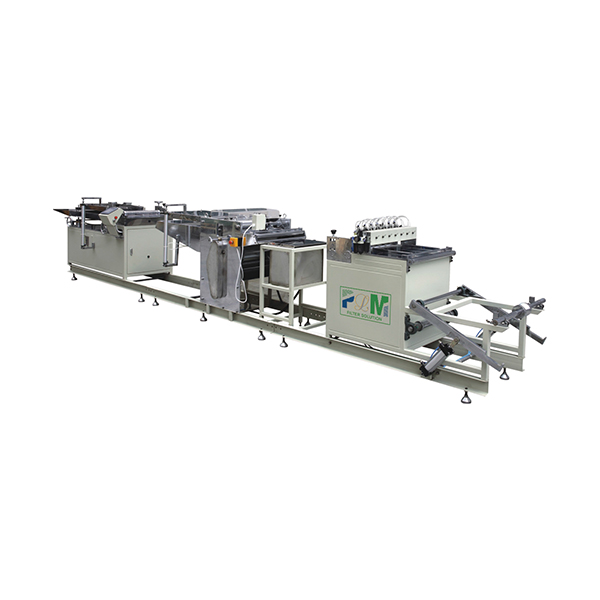
Looking ahead, the synthetic filter media market is buzzing with innovation. Nanofiber technologies are beginning to improve filtration efficiency at microscopic levels without restricting airflow. Meanwhile, integrating sensor technologies enables real-time filter performance monitoring—a big win for predictive maintenance.
Policies pushing for greener manufacturing also encourage development of bio-based synthetic polymers. Automation in production lines promises faster, more precise media fabrication. Oddly enough, we might soon see “smart filters” that adapt porosity dynamically depending on environmental input.
Challenges and Solutions
No technology is perfect, and synthetic filter media face their share of challenges. Concerns around microplastic pollution when disposables degrade improperly or limited recyclability prompt ongoing research. Moreover, balancing filtration efficiency with airflow and pressure drop remains tricky.
Experts recommend lifecycle analysis in filter design and investing in reusable media with effective regeneration methods. Also, linking policy incentives with product innovation can accelerate wider adoption of greener synthetic media.
FAQ: Frequently Asked Questions About Synthetic Filter Media
- Q1: What makes synthetic filter media better than natural fibers?
- A1: Synthetic fibers offer superior durability, chemical resistance, and consistency in pore size. This means longer-lasting filters with predictable performance, essential in industrial or medical applications.
- Q2: How often should synthetic filters be replaced?
- A2: Replacement varies by application and contamination levels, but synthetic filters typically last 25-50% longer than natural ones. Regular monitoring is advised.
- Q3: Are synthetic filter media recyclable?
- A3: Many are not yet recyclable in conventional systems, but ongoing advances in polymer chemistry aim to make synthetic media more eco-friendly.
- Q4: Can synthetic filters be customized for specialized uses?
- A4: Absolutely. Manufacturers tailor fiber types, thicknesses, and pore sizes to meet precise filtration requirements—from coarse air filters to fine water purification membranes.
- Q5: How do I select a reliable supplier of synthetic filter media?
- A5: Look for vendors with proven product certifications, global service networks, and customization capabilities. Checking references or peer reviews helps, too.
Conclusion and Call to Action
In the big picture, synthetic filter media will continue to play a pivotal role in advancing cleaner, safer industries and communities worldwide. Their combination of technical sophistication and practical benefits makes them indispensable. If you want to explore cutting-edge synthetic filtration solutions or need expert guidance for your project, visit MFilter Solution—a leader in innovative, sustainable filter media.
Mini takeaway: Investing in the right synthetic filter media today means cleaner air and water tomorrow.