Understanding the Importance of a High Quality Car Oil Filter
When you think about the myriad components that keep your car running smoothly, the oil filter might not be the flashiest part. Yet, a high quality car oil filter quietly plays a vital role in protecting your engine and enhancing performance. Worldwide, maintaining vehicle efficiency is crucial—right now, the global automotive market is projected to reach over $8 trillion by 2030, fueling demand for durable and reliable components. High quality oil filters help reduce engine wear, improve fuel economy, and lower emissions, making them a small but significant contributor to environmental sustainability and cost savings.
Introduction: Global Context and Industry Demand
Across continents, vehicles power economies, from sprawling cities to remote villages. According to the International Organization of Motor Vehicle Manufacturers (OICA), over 1.4 billion vehicles were in use worldwide as of 2020. That’s a staggering figure—and it underlines the importance of dependable engine maintenance tools like high quality car oil filters. The automotive industry faces growing challenges including stricter emissions standards and rising fuel prices. Faulty or low-grade oil filters can cause increased engine wear, leading to costly repairs and premature vehicle failure, which ultimately contradicts sustainability efforts and economic efficiency. Choosing the right oil filter is, therefore, an actionable way drivers and businesses can mitigate risks.
What is a High Quality Car Oil Filter?
Simply put, a high quality car oil filter is a component designed to remove contaminants from engine oil before they can damage engine parts. Contaminants like dirt, metal shavings, and combustion by-products sneak into engine oil over time, potentially causing wear or corrosion. This filter’s role is fundamental—it ensures clean oil circulates through the engine, maximizing lifespan and performance. Oddly enough, while the concept sounds straightforward, the design and materials used can vary dramatically, affecting effectiveness, durability, and compatibility with different engines.
Key Components & Factors of High-Quality Oil Filters
- Durability: The filter casing should resist corrosion and pressure fluctuations to last through extended oil change intervals.
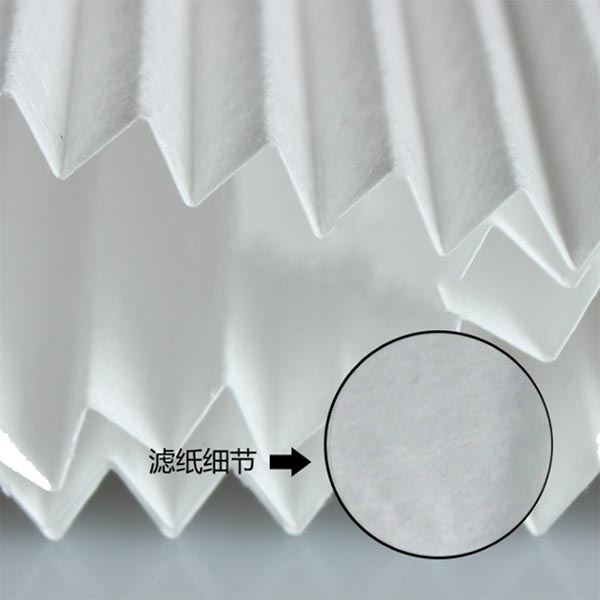
- Filtration Efficiency: Typically measured by micron rating; the finer the filter media, the better it traps tiny particles, protecting the engine better.
- Flow Rate: Balancing oil flow and filtration is crucial. Too restrictive, and the engine might suffer from oil starvation; too loose, and contaminants pass through.
- Compatibility: Filters must meet OE (Original Equipment) specifications for the vehicle’s make and model to ensure proper fit and function.
- Material Quality: Use of synthetic blend or cellulose filter media impacts both performance and environmental footprint.
Product Specification Table for a Typical High Quality Car Oil Filter
| Specification |
Detail |
| Filter Media |
Synthetic Blend for enhanced filtration |
| Micron Rating |
10–20 microns |
| Max Pressure |
100 psi (approx.) |
| Compatibility |
Fits multiple OEM models |
| Lifespan |
5,000–10,000 miles |
Global Applications & Real-World Use Cases
High quality car oil filters are indispensable everywhere cars roam—from dense urban centers in Europe to sprawling mining trucks in Australia. In developing countries, where vehicle maintenance might be irregular due to resource constraints, using reliable oil filters can significantly reduce engine breakdowns and associated repair costs. For example, fleets in post-disaster relief zones rely heavily on resilient automotive parts, including dependable oil filters, to keep aid vehicles operational when it matters most. Automotive manufacturers also partner with filter suppliers to ensure their cars meet sustainability and performance targets worldwide. In real terms, if a truck operating in a remote industrial zone suffers oil contamination, the downtime could cost thousands daily—better filters directly translate to operational continuity.
Advantages & Long-Term Value of Premium Oil Filters
Choosing a high quality car oil filter saves money and frustration down the road. Here’s how:
- Cost Efficiency: While premium filters may cost more upfront, they extend engine life and prevent expensive repairs.
- Sustainability: Cleaner engines emit fewer pollutants, aligning with global goals such as those outlined by the ISO 14000 environmental standards.
- Reliability: Dependable filtration means reliable vehicle operation, which is essential for commercial fleets and individual users alike.
- Peace of Mind: There’s comfort in knowing your car is protected against engine wear, vibrations, and potential failures.
Emotionally, investing in quality parts feels like respecting your vehicle's longevity and your personal safety—the engine is the heart of your car, after all.
Looking Ahead: Future Trends in Car Oil Filters
The automotive industry is evolving fast, with innovations that you might find intriguing. For instance, there’s increasing experimentation with nanotechnology-enhanced filter media that can trap particles even smaller than traditional filters. Electric vehicles (EVs), while not needing oil filters, still push innovation in component miniaturization and material sustainability across the board. There’s also an upward push toward biodegradable filter components and digital monitoring sensors that alert drivers when filters need replacement — cutting waste and improving maintenance schedules. These trends not only reflect environmental awareness but also the digital transformation sweeping automotive sectors globally.
Challenges in Current Oil Filter Practices & Solutions
Not everything is perfect: many oil filters on the market fail to meet stringent testing standards or are counterfeit, which can cause engine damage. Another challenge is balancing filtration precision with engine oil flow—filters that clog too quickly necessitate early replacement. Experts recommend testing filters against standards like the ISO 4548 (oil filter test) to ensure performance. Some manufacturers are investing in smart technologies like RFID tags embedded in filters to track filter life and performance remotely, thereby improving maintenance processes.
FAQ: Frequently Asked Questions About High Quality Car Oil Filters
- Q: How often should I replace my car’s oil filter?
- A: Ideally, every 5,000 to 10,000 miles, depending on your car manufacturer’s guidance and driving conditions. Frequent or harsh driving may require more frequent changes.
- Q: Can I use generic oil filters instead of branded high quality ones?
- A: While some generic filters are decent, high quality car oil filters guarantee better filtration, durability, and compatibility with your engine, reducing risks over time.
- Q: What happens if I don’t change my oil filter regularly?
- A: Neglecting filter changes can cause contaminants to circulate, increasing engine wear, reducing fuel efficiency, and eventually leading to costly repairs or engine failure.
- Q: Are synthetic filter media really better than cellulose?
- A: Synthetic media typically offer finer filtration, higher durability, and better performance in extreme temperatures, but might come at a slightly higher price point.
Vendor Comparison: Popular Car Oil Filter Brands
| Brand |
Filtration Efficiency |
Durability |
Price Range |
Warranty |
| Brand A |
99.5% @ 20 microns |
High (steel casing) |
$$ |
2 years |
| Brand B |
98.7% @ 25 microns |
Moderate (aluminum body) |
$ |
1 year |
| Brand C |
99.9% @ 15 microns |
Very High (reinforced steel) |
$$$ |
3 years |
Conclusion and Call to Action
At the end of the day, a high quality car oil filter may feel like a simple component, but its impact is profound. It safeguards engine health, translates into cost savings, and supports environmental efforts by improving emissions performance. Whether you’re a casual driver, a fleet manager, or an automotive enthusiast, investing in superior filters is a practical, smart choice you won’t regret. For those interested in exploring options or upgrading vehicle maintenance, I highly recommend checking out the high quality car oil filter range designed to meet exacting standards and driver demands around the globe.
Stay curious and keep your engine happy — it’s the heart of your journey.
References:
1. Wikipedia: Automotive Oil Filters
2. ISO 4548: Hydraulic filter performance
3. OICA: Vehicles in Use Worldwide