Why Choose a High Quality HEPA H13 Filter for Industrial Applications?
Having spent quite a few years around industrial equipment and air filtration solutions, I can say this: not all filters are created equal. Especially when it comes to high quality HEPA H13 filters. You know, those little marvels that trap 99.95% of microscopic particles down to 0.3 microns? They are the unsung heroes in places ranging from pharmaceutical plants to electronics clean rooms. Oddly enough, I remember the first time I truly grasped the difference a proper HEPA filter makes—it was at a factory where dust was compromising circuit board quality.
Let me be frank: the “HEPA” tag alone doesn’t tell the whole story. The H13 classification means the filter has passed rigorous European testing standards, filtering at least 99.95% of particles. This kind of testing isn’t just a line in a brochure—it’s performed using laser particle counters in certified labs. I've witnessed firsthand how some cheaper filters claiming "HEPA" standards actually fall short because they're tested differently or using lower grade materials.
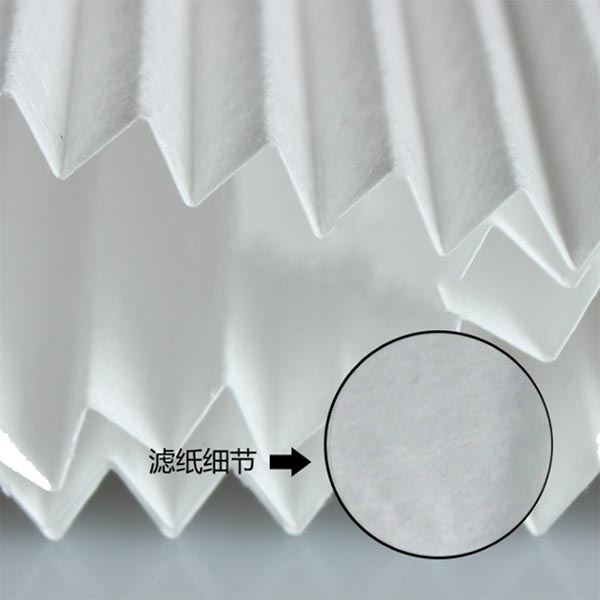
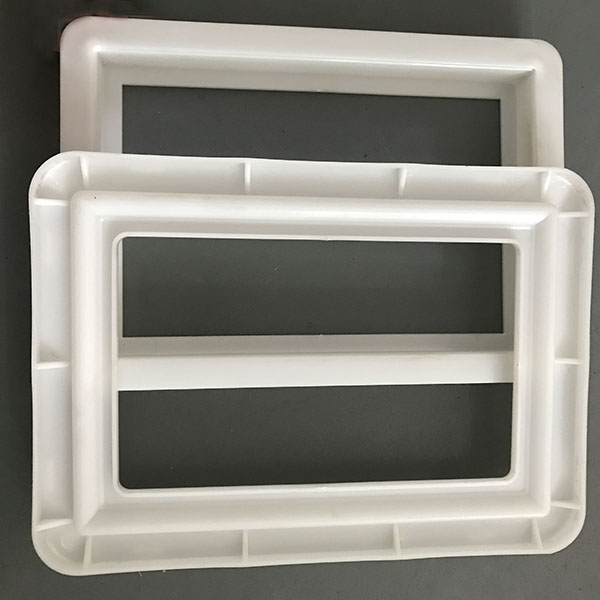
So what really sets a high quality HEPA H13 filter apart? For starters, the media—usually made from borosilicate glass microfibers—is carefully layered to maximize surface area and airflow while trapping particles efficiently. Then there’s the frame, often aluminum or galvanized steel, built strong enough to withstand industrial environments where vibration or humidity could otherwise cause premature failure.
In industrial setups, longevity isn’t a luxury—it's a necessity. A filter that lasts longer but maintains performance reduces downtime and replacement costs, and frankly, it offers peace of mind. I recall a customer in a food processing plant who switched to a well-designed H13 filter and noticed not only a cleaner workspace but fewer complaints about allergies among staff over the next six months. That’s the kind of real-world benefit sometimes hard to quantify but easy to feel.
Typical Product Specifications for a HEPA H13 Filter
| Specification |
Details |
| Filter Class |
H13 (EN 1822) |
| Efficiency |
≥ 99.95% at 0.3 microns |
| Media |
Borosilicate glass microfiber |
| Frame Material |
Aluminum or galvanized steel |
| Dimensions |
Customizable, typical depths: 48-96 mm |
| Max Operating Temperature |
80°C (176°F) |
| Max Airflow |
Varies depending on size; typically up to 2000 m3/h |
Customization is another aspect worth highlighting. Whether it’s cut-to-fit sizes or tailored gasketing options, high quality suppliers offer this flexibility. It’s something I recommend you never compromise on, especially in those critical environments where a slight leakage means contamination. Some engineers I know actually test filter seals on site using aerosol photometers—measuring penetration of test substances in real time—to confirm integrity.
Comparing Top HEPA H13 Filter Vendors
| Vendor |
Filter Media Quality |
Customization Options |
Turnaround Time |
Price Range |
| MFilterSolution |
Industrial-grade borosilicate glass fibers |
High – tailored sizes, frames, gasketing |
1–2 weeks |
Mid to Premium |
| Vendor B |
Standard glass microfiber |
Moderate – fixed sizes, limited frames |
2–3 weeks |
Low to Mid |
| Vendor C |
Premium synthetic blend |
Limited – mainly standard sizes |
1 week |
Premium |
Frankly, when I’m called in to troubleshoot air filtration issues, I often find that choosing the right HEPA H13 filter supplier—one with proven materials, certified testing, and solid technical support—makes all the difference. I've noticed a pattern: companies that invest upfront tend to avoid headaches down the line.
So, if you’re in the industrial sector and need air purity assurance, don’t just settle on a run-of-the-mill “HEPA” label. Ask questions about testing standards, media construction, sealing methods, and replacement intervals. It feels like a lot at first, but in real terms, it's about protecting your processes and your people.
And yes, I suppose that sounds obvious, but oddly enough, it’s not always common practice—yet it should be.
In my experience, a high quality HEPA H13 filter is an investment—not simply a consumable item. It’s the guardian of clean air, quietly working behind the scenes every day.
References:
1. EN 1822 Testing Standards Overview
2. Industrial Air Filtration Best Practices, Journal of HVAC&R
3. User case study: Food Processing Plant Allergy Reduction Report