High Quality ISF2 8 Oil-Water Separator Fuel Filter: What You Need to Know
Having spent well over a decade in the industrial equipment sector, I can tell you firsthand that not all fuel filters are created equal—especially when it comes to ISF2 8 oil-water separator fuel filter models. It’s one of those components that feel rather unglamorous until you realize how critical its role is in protecting engines from particulate and water contamination. Oddly enough, many engineers don’t give fuel filtration the respect it deserves, but I suppose that’s changing as fuel system demands get tougher.
So, why focus on the ISF2 8 type? Simply put, this model merges effective water separation with fine fuel filtration in one unit, which is invaluable for heavy machinery and industrial engines exposed to varying fuel qualities. In the years I’ve worked on fleets and factory sites, the difference between a standard fuel filter and a good oil-water separator like the ISF2 8 is quite clear — fewer breakdowns, longer injector life, and frankly, fewer headaches dealing with downtime.
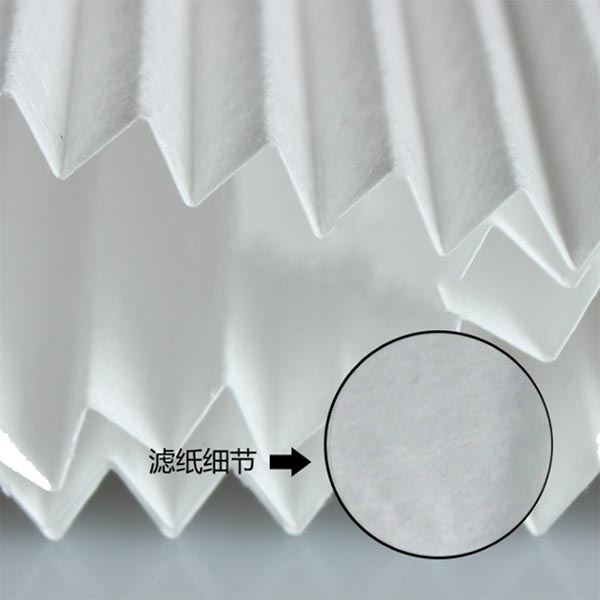
This particular fuel filter design uses advanced multi-layer filtration media, often a blend of cellulose and synthetic fibers, tailored for trapping both solid particulates and emulsified water. Manufacturers usually test these filters rigorously — think ISO 4406 cleanliness levels and water separation efficiency percentage tests — to certify their performance before they hit the market. In real terms, that’s what protects your fuel injection components and keeps combustion clean and stable.
Here’s a quick rundown of typical specs from the higher-grade ISF2 8 oil-water separator fuel filters I’ve seen in the field:
| Specification |
Details |
| Filtration Efficiency |
≥ 99.5% at 2 microns |
| Water Separation Capacity |
Up to 200 ml per hour |
| Operating Temperature |
-40°C to 125°C |
| Filter Media |
Cellulose & Synthetic Fiber Blend |
| Pressure Drop |
≤ 200 mbar at rated flow |
One interesting tidbit — I remember a client running a large fleet of construction vehicles plagued by frequent injector failures. The root cause? Water in the diesel fuel. Switching their filtration system to high-quality ISF2 8 oil-water separators cut injector replacements by more than half in six months. It was a practical reminder that good filtration isn’t just about specs on paper; it directly impacts operational costs.
When picking a supplier, I tell folks to look beyond just price. Many vendors offer the same nominal product, but the materials, media quality, and even post-production testing can vary widely. To give you a sense, here's a straightforward comparison of typical offerings from three leading vendors:
| Feature |
MFilterSolution |
Competitor A |
Competitor B |
| Water Separation Efficiency |
≥ 99.5% |
95% |
93% |
| Filter Media Quality |
High-grade blend |
Standard cellulose |
Synthetic only |
| Pressure Drop at Rated Flow |
≤ 200 mbar |
≤ 250 mbar |
≤ 300 mbar |
| Warranty |
12 months |
6 months |
6 months |
| Custom Sizing Available |
Yes |
No |
Limited |
Many engineers I’ve spoken with stress the importance of the warranty and customization options because every industrial setup has quirks—not one size fits all, you know? Honestly, I've noticed vendors like MFilterSolution who offer tailored solutions tend to build more lasting client trust. Plus, having a reliable warranty reduces the perceived risk when upgrading your fuel filtration system.
In conclusion, the ISF2 8 oil-water separator fuel filter feels like a small piece of gear, but it can make a huge difference in engine longevity and system cleanliness. Whether you manage heavy machinery or industrial engines, investing in quality filters—and the right supplier—pays off in smooth operations and fewer maintenance surprises. I suppose it’s one of those “buy right, cry less” scenarios.
References:
- ISO 4406: Cleanliness of fluids standard
- Engineering reports on fuel injector wear and contamination
- Customer testimonials from industrial fleet managers