Understanding PE Filter Cloth: The Unsung Hero of Filtration Technology
At first glance, a pe filter cloth might just look like an ordinary industrial textile, but this specialized fabric plays a vital role that touches everything from water treatment plants in Europe to humanitarian aid efforts in distant disaster zones. In this article, we'll dive deep into what PE (Polyethylene) filter cloth actually is, why it’s gaining global traction, and how its unique properties practically solve some stubborn environmental and industrial challenges worldwide.
Introduction: Why PE Filter Cloth Matters on a Global Scale
Globally, water scarcity and pollution are major issues, with the United Nations reporting over 2 billion people lacking access to safely managed drinking water services as of recent years. Industrial growth and urbanization put even more strain on filtration systems tasked with safeguarding this most precious resource. This is where PE filter cloths enter the picture. Thanks to their robustness, chemical resistance, and scalability, these textiles offer a versatile solution for filtering particulates across industries like municipal wastewater treatment, food processing, chemical manufacturing, and even disaster relief programs.
According to ISO standards concerning textile filtration products, materials like polyethylene offer an excellent balance of durability and adaptability. However, the challenge has always been finding a filtration fabric that remains effective under varied environmental stresses — from untreated river water to industrial effluents loaded with harsh chemicals. PE filter cloth, it turns out, answers that call remarkably well.
What Is PE Filter Cloth, Exactly?
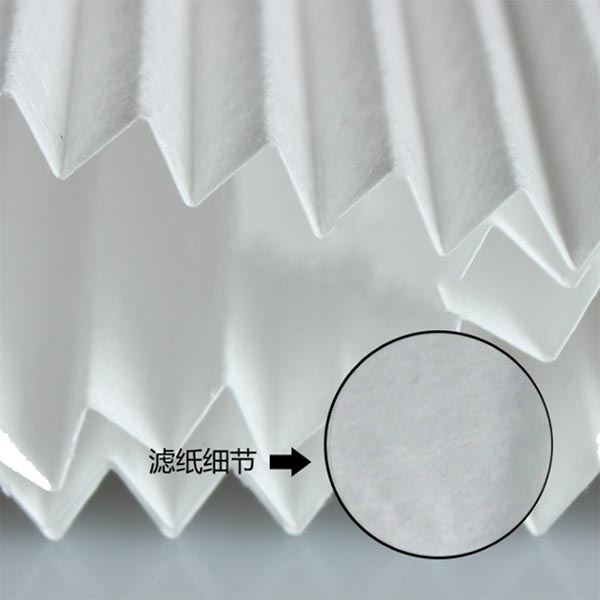
Simply put, pe filter cloth is a woven or nonwoven fabric made primarily from polyethylene fibers, designed specifically to filter liquids or gases by trapping particles without clogging easily. Unlike traditional filter media, its molecular structure grants it resistance to chemicals, moisture, and abrasion. This means it can be deployed repeatedly, cleaned efficiently, and still maintain a high filtration rate.
In modern industry, PE filter cloth is used to create filter bags, panels, and belts — parts that often operate within filtration plants or machinery. On a humanitarian level, these cloths provide affordable, durable filtration for water purification units in remote or disaster-affected communities where infrastructure is minimal.
Mini takeaway:
PE filter cloth is a specialized polyethylene fabric prized for its filtration efficiency, durability, and adaptability in a wide range of important global applications.
Key Attributes of PE Filter Cloth and What They Mean in Practice
1. Durability
What immediately stands out is the fabric’s toughness. Engineers report that PE filter cloth resists tears, abrasion, and chemical degradation far better than polyester or nylon alternatives. This means fewer replacements and less downtime in critical operations.
2. Filtration Efficiency
Depending on the weave and fiber thickness, PE filter cloth can trap particles from sub-micron level up through larger debris, making it a highly tailored filtration source for specific industry needs — say, capturing fine sludge in wastewater or filtering organic particles in food processing.
3. Chemical Resistance
Polyethylene’s molecular makeup allows it to endure acidic or basic environments without degrading, which is essential in industries handling harsh chemicals or variable pH fluids.
4. Cost Efficiency
PE filter cloth balances upfront cost and lifetime value well. It’s often more affordable than high-end polymers and outperforms many natural textiles in longevity, thus reducing overall filtration expenses.
5. Easy Maintenance
Thanks to its resistance properties, the cloth can be cleaned by backflushing or chemical washing, keeping filter units operational longer without extensive service intervals.
6. Scalability and Customization
Manufacturers can customize PE filter cloth’s thickness, weave pattern, and finishing, which makes it versatile for everything from small batch food sieving to large industrial water treatment plants.
Mini takeaway:
The combination of strength, filtration range, chemical resistance, and maintainability makes PE filter cloth an exceptionally flexible choice for filtration solutions.
How PE Filter Cloth is Applied Worldwide
The uses of PE filter cloth span across continents and industries:
- Wastewater Treatment Plants: Cities in Europe and North America increasingly use PE filter cloth in their filtration units to meet stringent ISO water quality standards.
- Food and Beverage Industry: Breweries and food processors rely on PE cloth filters to separate solids while maintaining food-grade safety.
- Mining and Chemical Sectors: In Australia and South Africa, PE cloths filter industrial effluents rich in particles and hazardous chemicals.
- Humanitarian Aid: In disaster zones—like regions hit by floods in Southeast Asia—portable water filtration devices with PE filter cloths provide clean water access to vulnerable populations quickly and cost-effectively.
For instance, during the 2020 floods in Bangladesh, relief agencies used filtration units fitted with PE cloth to purify river water at scale, helping thousands avoid waterborne diseases.
Mini takeaway:
The global reach of PE filter cloth’s applications continues to grow, proving its versatility and importance in both industrial and humanitarian environments.
Product Specification: A Typical PE Filter Cloth
| Attribute |
Specification |
| Material |
100% Polyethylene fibers |
| Weave Type |
Twill or plain weave options |
| Thickness |
0.5 - 1.5 mm |
| Filtration rating |
1–100 microns (customizable) |
| Temperature resistance |
Up to 80°C (continuous use) |
| Chemical resistance |
Acids, alkalis, solvents |
| Lifetime |
3–5 years under normal industrial use |
Comparing Leading Vendors of PE Filter Cloth
| Vendor |
Material Grade |
Customization Options |
Typical Lead Time |
Price Range (per m²) |
Notable Clients |
| MFilter Solutions |
High-density PE |
Weave, thickness, micron rating |
2–4 weeks |
$8 – $13 |
Municipalities, Food Processors |
| PureCloth Co. |
Standard PE |
Micron rating only |
3–6 weeks |
$6 – $9 |
Small Industries, NGOs |
| EnviroTex Filters |
Ultra high-molecular weight PE |
Weave pattern, durability treatments |
1–3 weeks |
$10 – $15 |
Heavy Industry, Mining |
The Long-Term Value of Investing in PE Filter Cloth
When you look beyond the price tag of PE filter cloth, its value becomes clearer. Fewer replacements, less downtime, consistent filtration performance—these aspects translate into cost savings that many facility managers swear by. There's also the peace of mind that comes with a trusted material that won’t degrade unexpectedly in sensitive environments.
Culturally, ensuring pure water or safe product filtration supports public health and dignity, especially in developing countries where clean water access remains uncertain. Innovators in the filtre industry note how PE filter cloth is part of a broader shift to sustainable, resilient filtration systems equipped to meet 21st-century demands.
Emerging Trends and Innovations in PE Filter Cloth Technology
R&D labs globally are pushing the boundaries: combining PE fibers with nanomaterials to improve filtration to even submicron levels, embedding antimicrobial treatments to extend cleaning intervals, or engineering cloths that self-clean under certain conditions. Digital manufacturing techniques also allow highly customized designs — something worth watching as industries lean into smart filtration solutions.
Challenges and Practical Solutions
Like anything, PE filter cloth isn’t flawless. Its temperature resistance, for example, maxes out around 80°C, which can be limiting in some chemical processes. Also, the cloth's stiffness sometimes requires specialized equipment for installation.
To solve these, experts recommend pairing PE filter cloth with layered filtration stages or integrating it with advanced automated cleaning systems that reduce manual handling risks. Suppliers increasingly offer tailored training to ensure optimal use and longevity.
Frequently Asked Questions About PE Filter Cloth
Q1: How do I know what micron rating of PE filter cloth to choose?
A: The right micron rating depends on the particle size you need to filter out. For fine suspended solids or bacteria, lower micron values (under 10 microns) are necessary. Larger particles allow for higher micron ratings and longer cloth life. Consulting with your filter system manufacturer or supplier, like pe filter cloth experts, helps narrow down the best choice.
Q2: Can PE filter cloth be reused after cleaning?
A: Absolutely. PE filter cloth is designed for cleaning via backflushing or mild chemical washing. Its chemical and abrasion resistance make it reusable many times, typically extending filter life significantly compared to other materials.
Q3: Is PE filter cloth environmentally friendly?
A: While it is a synthetic polymer, PE filter cloth’s durability reduces frequent replacements, lowering waste volumes. Plus, advancements are underway exploring recycled polyethylene as raw material, making it a more sustainable option than some alternatives.
Q4: What industries benefit most from PE filter cloth?
A: Wastewater treatment, food and beverage, chemicals, mining, and humanitarian water filtration projects are among the top users. Its chemical resistance and filtration precision cater to diverse filtration needs worldwide.
Q5: How quickly can I get custom PE filter cloth orders delivered?
A: Delivery times depend on order size and customization complexity but typically range between 2 to 6 weeks. Vendors like pe filter cloth suppliers offer lead times and customization options that fit various budgets and project scopes.
Concluding Thoughts and Next Steps
In a world demanding cleaner water, safer processing environments, and stronger filtration systems, pe filter cloth stands out as a workhorse fabric — tough, adaptable, and reliable. Investing in quality PE filter cloth today aligns with both economic sense and ethical responsibility, delivering value that compounds over years.
Curious to find out how pe filter cloth can fit your filtration needs? Visit our website to explore product offerings and get expert advice tailored to your project.
References
- United Nations: Water Scarcity
- ISO Standard for Textile Filtration Products
- Wikipedia: Polyethylene