High Quality Plastic Fuel Filter: Why It Matters in Today’s Industry
In a world increasingly dependent on machinery—from cars to generators to industrial equipment—the role of a high quality plastic fuel filter cannot be overstated. Globally, clean fuel is essential not only for engine efficiency but also to lower harmful emissions and reduce maintenance costs. Yet, fuel contamination remains a persistent challenge, particularly in regions where fuel quality is variable or storage conditions are suboptimal.
Understanding the advantages and innovations surrounding these filters is crucial. After all, a reliable fuel filter protects the engine, extends equipment life, and ensures smoother operations whether you’re powering a remote village generator or running a fleet of delivery vehicles in a megacity.
Introduction: The Global Context of Plastic Fuel Filters
According to the International Organization for Standardization (ISO), fuel quality standards vary widely around the globe. In developing economies, impurities like water and particulate matter can be alarmingly common in diesel or petrol supplies. This often leads to breakdowns and costly downtime. A well-engineered plastic fuel filter addresses these challenges by providing durable, effective filtration while being lightweight and cost-efficient.
With global automotive and industrial machinery markets growing annually (World Bank data shows over 3% increase in machinery demand in emerging markets), the demand for dependable fuel system components only intensifies. Yet, too often, poor filtration leads to major failures. A high-quality plastic fuel filter is the unsung hero here, quietly preventing those failures.
What Exactly Is a High Quality Plastic Fuel Filter?
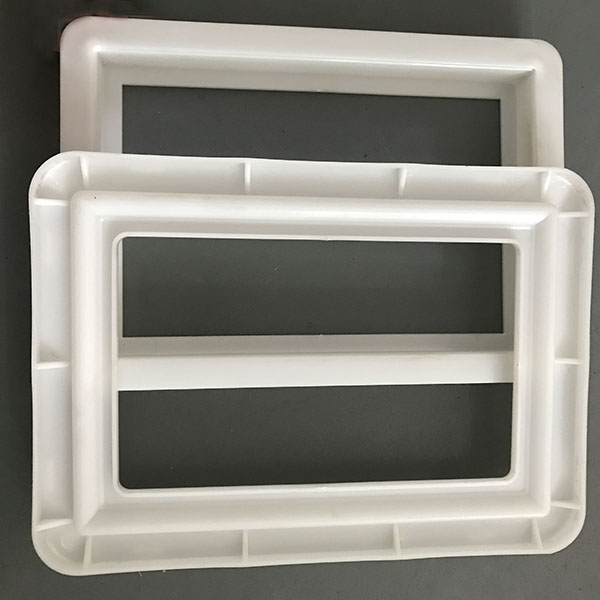
Simply put, a plastic fuel filter is a component placed within the fuel line to trap contaminants like dirt, rust, and water droplets that can damage engines. Made predominantly of engineering-grade plastic, these filters offer improved chemical resistance and corrosion protection compared to metal alternatives.
“High quality” implies that the filter meets stringent criteria: efficient particle filtration (often down to 10 microns or less), robust construction to withstand pressure and fuel types, and compatibility with modern fuels containing additives or bio-components. More than just a disposable part, these filters often undergo rigorous lab and field testing to guarantee performance even under harsh conditions.
Key Factors Behind Effective Plastic Fuel Filters
- Durability: Plastic filters resist rust and corrosion, even in humid or salty environments. This ensures a longer service life — something many mechanics truly appreciate.
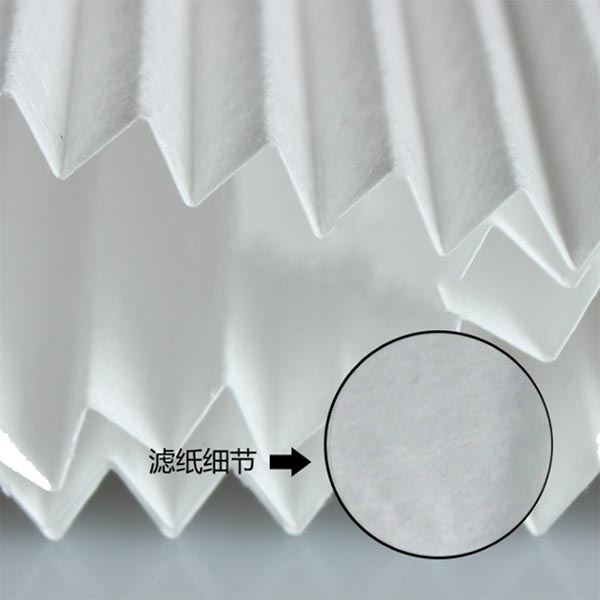
- Filtration Efficiency: From micro-particles to water separation, filtration media quality defines how well engine components are protected. Many filters employ multilayer media to catch a spectrum of contaminants.
- Chemical Compatibility: Modern fuels can have ethanol, biodiesel, or various additives that degrade inferior plastics. High quality filters use polymers resistant to such chemical exposure.
- Cost-effectiveness and Weight: Plastics reduce weight compared to metals, aiding vehicle efficiency. Plus, they often come at a competitive price point, making replacements affordable and routine.
- Ease of Installation: User-friendly designs lower the barrier for maintenance personnel and vehicle owners alike.
Mini takeaway: The combination of durability, chemical resistance, and fine filtration is what makes plastic fuel filters indispensable in modern fuel systems.
Global Applications & Real-World Use Cases
Plastic fuel filters have solidified their role across various industries and geographies:
- Automotive sector: Passenger cars, commercial trucks, and motorcycles extensively use these filters to ensure fuel purity and engine health.
- Construction & Agriculture: Remote equipment operating in dusty or muddy environments relies on these filters to prevent costly breakdowns.
- Energy generators: In disaster relief or rural electrification projects, portable fuel-powered generators depend on clean fuel for consistent operation.
- Marine Industry: Saltwater exposure means metal filters corrode fast. Plastic fuel filters resist this, extending engine life on boats and ships.
For example, in Southeast Asia’s flood-prone regions, aid organizations trust portable generators fitted with quality plastic fuel filters to run essential devices. The filter's robustness reduces unexpected failures when power is critical.
Advantages & Long-Term Value of High Quality Plastic Fuel Filters
The tangible benefits speak volumes:
- Cost Savings: Avoiding frequent engine repairs and fuel system cleaning saves money long-term.
- Reliability & Safety: Clean fuel means less engine stalling, improving road safety and machinery uptime.
- Sustainability: Durable plastic filters mean fewer replacements, reducing waste and resource consumption.
- Emotional impact: For the operator, knowing their equipment won’t fail unexpectedly builds trust and peace of mind.
Oddly enough, while metal filters once dominated, the shift to plastic reflects not only advancements in material science but also a broader move toward lighter, greener components.
Future Trends & Innovations in Plastic Fuel Filtration
Looking ahead, we can expect several exciting developments:
- Advanced Polymer Compositions: New plastics with enhanced heat resistance and fuel compatibility.
- Smart Filters: Sensors embedded to monitor contamination levels in real-time, enabling predictive maintenance.
- Eco-friendly Materials: Biodegradable or recycled plastics to reduce environmental impact.
- Integration with green fuels: Adaptations for hydrogen or biofuel blends as energy sectors evolve.
Challenges & Expert Solutions
Even the best plastic filters face hurdles such as micro-cracking under extreme temperature shifts or inconsistent filtration when cheaper manufacturing shortcuts are taken. One solution is rigorous third-party certification and better industry-wide testing protocols (ISO standards again come into play here).
Many manufacturers are investing in enhanced quality control, while users are encouraged to buy from trusted vendors rather than cut costs with low-grade parts. After all, I suppose you get what you pay for.
Product Specification Table
| Feature |
Specification |
Notes |
| Material |
Polypropylene / Nylon blend |
Chemical & heat resistant |
| Filtration rating |
10 microns |
Captures fine particulates |
| Operating pressure |
Up to 5 bar |
Suitable for most vehicle/fuel systems |
| Fuel compatibility |
Petrol, diesel, biodiesel blends |
Wide compatibility ensures versatility |
| Service interval |
12 months or 20,000 km |
Based on average use cases |
Vendor Comparison Table
| Vendor |
Price Range |
Quality Certifications |
Warranty |
Notable Features |
| Alpha Filters |
$$$ |
ISO 9001, ISO 14001 |
2 years |
Smart monitoring options |
| Beta Plastics |
$$ |
ISO 9001 |
1 year |
Lightweight design |
| Gamma Tech |
$$$$ |
ISO 9001, ISO 14001, TS16949 |
3 years |
Industry-leading filtration media |
FAQ: Frequently Asked Questions About High Quality Plastic Fuel Filters
- 1. How often should I replace a plastic fuel filter?
- Typically, manufacturers recommend replacing the filter every 12 months or around 20,000 km to maintain optimal engine performance. However, harsher operating environments may require more frequent changes.
- 2. Are plastic fuel filters compatible with biofuels?
- Yes, high quality plastic filters are designed with polymers resistant to biodiesel and ethanol blends, ensuring durability and safe fuel filtration.
- 3. Can I install a plastic fuel filter myself?
- Many filters are designed for easy installation with basic tools, but always follow the vehicle or equipment manual. If uncertain, a professional mechanic’s help is advised.
- 4. What impact do fuel filters have on engine lifespan?
- By removing contaminants that can cause wear in fuel injectors and cylinders, a good fuel filter significantly prolongs engine life and prevents costly repairs.
Conclusion: Why Invest in a High Quality Plastic Fuel Filter?
Ultimately, a high quality plastic fuel filter is more than just a component; it's a frontline defender for your machinery. It saves money, protects the environment by reducing emissions, and offers peace of mind. Given the growing complexity of fuels and global equipment demands, these filters will only grow in importance.
If you’re curious to explore product options or learn more about how these filters can fit your operation, visit our website at https://www.mfiltersolution.com.
A final thought: while these filters often go unnoticed, they quietly protect engines worldwide—and frankly, that reliability is something we can all trust.
References:
- International Organization for Standardization (ISO)
- World Bank Vehicle Data
- Wikipedia: Fuel Filter