Understanding PM 2.5 Filter Paper: The Unsung Hero in Air Quality Control
Let’s start with a quick snapshot: PM 2.5 filter paper is essentially the frontline defense against tiny airborne particles smaller than 2.5 micrometers. Why should we care? Because these microscopic pollutants are notorious for slipping deep into our lungs, impacting health on a global scale. From dense urban smog in Beijing to wildfires raging in California, managing PM 2.5 particles is a major public health challenge worldwide. And PM 2.5 filter paper—sort of the unsung workhorse for capturing these particles—is critical for scientists, environmentalists, and industries aiming to reduce exposure and improve air quality.
The key benefits of understanding and using PM 2.5 filter paper are far-reaching: better air quality monitoring, more accurate data leading to informed policies, and ultimately improved health outcomes. Plus, industries that rely on clean environments, like pharmaceuticals and electronics, depend heavily on it to maintain product integrity.
Global Context: Why PM 2.5 Filter Paper Matters Now More Than Ever
You might have seen headlines about rising air pollution deaths? According to the World Health Organization (WHO), ambient air pollution causes an estimated 4.2 million premature deaths worldwide annually—PM 2.5 contributes heavily to that grim statistic. These tiny particles penetrate deep into respiratory systems, aggravating asthma, cardiovascular diseases, and even cognitive decline in seniors.
Major cities—from Delhi and Mexico City to London—are pushing stricter air quality standards, often using devices that rely on highly specialized PM 2.5 filter paper to accurately track pollution. Honestly, without effective particulate sampling, global efforts to regulate or reduce PM 2.5 would be like trying to fix a leak without seeing the drip.
Definition & Meaning: What Exactly Is PM 2.5 Filter Paper?
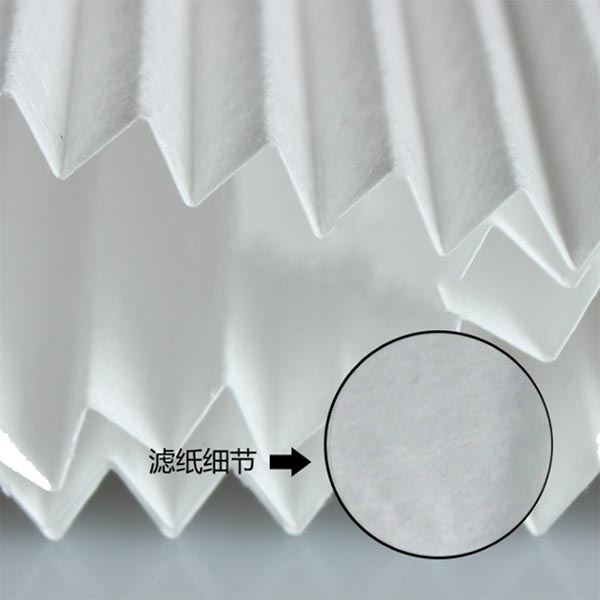
At its core, PM 2.5 filter paper is a fine porous medium designed to trap particulate matter sized 2.5 micrometers or smaller. These filter papers are usually made from high-purity materials like glass fiber or specialized synthetic fibers, boasting characteristics like high filtration efficiency, low background interference, and good thermal stability.
This isn’t your average kitchen paper towel! The filter’s job is to sieve out these almost invisible pollutants from air samples for lab analysis or device monitoring. Industries like environmental monitoring, automotive emission testing, and cleanroom manufacturing all rely on these papers to guarantee accurate particulate measurements.
Key Attributes of PM 2.5 Filter Paper
1. Filtration Efficiency
PM 2.5 filter paper must have a high filtration efficiency, typically above 99%, to capture even the smallest particles reliably. It’s the difference between trustworthy data and guesswork.
2. Durability and Stability
Exposed often to harsh environmental conditions like humidity or elevated temperatures, filter paper must maintain integrity without disintegration or loss of capture efficiency during sampling.
3. Low Blank Values
“Blank value” refers to the background particles or chemicals inherent in the filter material itself. Low blank values are essential—otherwise, you get polluted readings even before sampling.
4. Compatibility with Analytical Methods
Post-collection, these filters are analyzed with gravimetric methods, spectroscopy, or microscopy. The filter paper must not interfere chemically or physically with these techniques.
5. Cost-Effectiveness
Sampling often involves thousands of filter papers for continuous monitoring, so balancing quality with affordability is tricky but crucial.
PM 2.5 Filter Paper Specifications — A Comparative Snapshot
| Specification |
Glass Fiber Filter |
Quartz Fiber Filter |
PTFE Filter |
| Filtration Efficiency |
>99% |
>99.5% |
>99.9% |
| Max Temp. Resistance |
500 °C |
900 °C |
260 °C |
| Blank Value (ug) |
Low |
Very Low |
Negligible |
| Typical Use |
General sampling |
High temp. sampling |
Chemical resistance needed |
Mini takeaway:
PM 2.5 filter paper has to balance filtration accuracy, durability, analysis compatibility, and cost. The exact choice depends heavily on the use-case.
Where Is PM 2.5 Filter Paper Changing Air Quality Monitoring?
- Urban Pollution Control: Cities in South and East Asia are leveraging filter paper-based monitors to track intense smog episodes.
- Industrial Emissions: Power plants and refineries use these to check particulate emissions compliance.
- Wildfire Smoke Analysis: Remote fire zones deploy portable samplers with PM 2.5 filters for tracking hazardous plumes.
- Healthcare & Indoor Air Quality: Hospitals increasingly rely on them to ensure patient-safe environments.
For example, during California’s wildfire seasons, agencies sent out thousands of sampling kits with PM 2.5 filter paper to affected communities, allowing detailed mapping of air hazard zones. This data not only informs immediate evacuation orders but long-term health guidance, too.
Vendor Comparison: Three Popular Brands of PM 2.5 Filter Paper
| Brand |
Material |
Price per Pack |
Typical Use Case |
Availability |
| FilterTech Pro |
Quartz Fiber |
$120 |
High-temp industries |
Global |
| AirPure Lite |
Glass Fiber |
$80 |
General environmental monitoring |
North America, Europe |
| EcoFilter Plus |
PTFE |
$150 |
Chemical-resistant environments |
Limited |
The Advantages and Long-Term Value of Choosing Right PM 2.5 Filter Paper
Choosing quality PM 2.5 filter paper provides not just precise data—but longevity in environmental health measures. Industries benefit from regulatory compliance, while citizen science groups get trustworthy results for advocacy. It’s not just about cost but trust. You want filters that won’t break or distort results mid-sampling; safety regulations often hinge on these exact numbers.
Emotionally, it’s reassuring to know your air quality measurements are reliable—after all, this might shape policies affecting your children’s lungs or workers’ health protections. Sustainability-wise, many filter manufacturers now emphasize recyclable or biodegradable filter media, reflecting the global demand for greener solutions.
Future Trends in PM 2.5 Filter Paper
Innovation is quietly advancing here. Nanofiber technology promises filters with much higher capture efficiencies without compromising airflow. Automated air monitors with smart analytics embedded are growing alongside IoT (Internet of Things) trends, integrating real-time PM 2.5 data streams into public health dashboards.
There’s also rising emphasis on filters compatible with harsher environments, like volcanic ash or industrial solvents, pushing material science forward. Finally, as the world races toward climate goals, green manufacturing processes for producing PM 2.5 filter papers are more sought after.
Challenges and Solutions
One common challenge is balancing filter porosity and airflow resistance. Too dense a filter means more power needed for sampling pumps, potentially slowing down sampling or raising costs. Manufacturers have started developing composite layers or resin bindings to mitigate this.
Another issue is disposal – used filter papers may contain toxic particles, posing waste management problems. Recycling protocols and safer materials aim to tackle this over time.
FAQ: Frequently Asked Questions About PM 2.5 Filter Paper
- Q: How often should PM 2.5 filter papers be replaced in monitoring equipment?
A: Generally, filter papers need replacing after each sampling cycle, which can vary from 24 hours to a week depending on pollution levels and equipment used. Frequent replacement ensures accuracy.
- Q: Can PM 2.5 filter paper capture other pollutants besides particulate matter?
A: Primarily, these papers capture suspended particles. However, some specialized filters can adsorb gaseous pollutants when coated with specific chemicals, but that’s a different product line.
- Q: Is it possible to reuse PM 2.5 filter paper for multiple tests?
A: Reuse is generally discouraged due to contamination risks and potential altered filtration efficiency. Single use maintains test integrity.
- Q: How do temperature and humidity affect PM 2.5 filter paper performance?
A: High humidity can cause particle clumping on the filter, potentially skewing mass readings. Temperature extremes may degrade certain materials; hence, selecting the right filter type is essential for specific environments.
Conclusion
Understanding PM 2.5 filter paper brings you closer to the invisible battle for clean air—a battle fought at microscopic scales but with huge health stakes. Whether you’re part of environmental agencies, healthcare providers, or industrial supervisors, choosing the right filter paper can mean sharper, more reliable data and better decisions. Frankly, the right filter material can make all the difference between informed action and guesswork.
Curious to explore the latest in PM 2.5 filtration? Visit pm 2.5 filter paper for detailed info, product options, and expert guidance.
Mini takeaway:
The right PM 2.5 filter paper is a linchpin in the quest for safer air—the better our filters, the clearer our insight.
References:
- WHO Ambient Air Quality and Health
- Wikipedia: Particulates
- ISO Standards on Air Quality Monitoring (example)