A Closer Look at Water Filter Cloth: Why It Matters in Our Thirsty World
Water filter cloth might sound simple—a piece of fabric, after all—but don’t be fooled. It plays a surprisingly big role in how clean, safe water gets from nature to our glasses. In an age where water scarcity, pollution, and hygiene are urgent global issues, understanding the humble water filter cloth helps us grasp how innovation in seemingly small things can ripple out for huge social and environmental benefits.
If you’ve ever thought about how people in remote villages, disaster zones, or industrial sites manage water quality, you’ll appreciate the versatility and impact of water filter cloth. It’s affordable, scalable, and often the unsung hero of water purification processes.
Global Perspective: Why Water Filter Cloth Needs Our Attention
Globally, roughly 2.2 billion people lack access to safely managed drinking water—a staggering reality. According to the World Bank, waterborne diseases cause hundreds of thousands of deaths annually, especially in children under five.
This is where water filter cloth steps in.
Often made from specific textile materials designed to trap impurities, it acts as a first line of defense against contaminants. Whether in emergency relief kits after floods or in factories treating wastewater, these cloths help with something vital: filtering suspended solids, sediments, and sometimes even bacteria.
But the challenge remains: how to balance cost, durability, and efficiency so that water filter cloths become widely usable—the kind that can adapt to different water conditions worldwide.
What Exactly Is Water Filter Cloth?
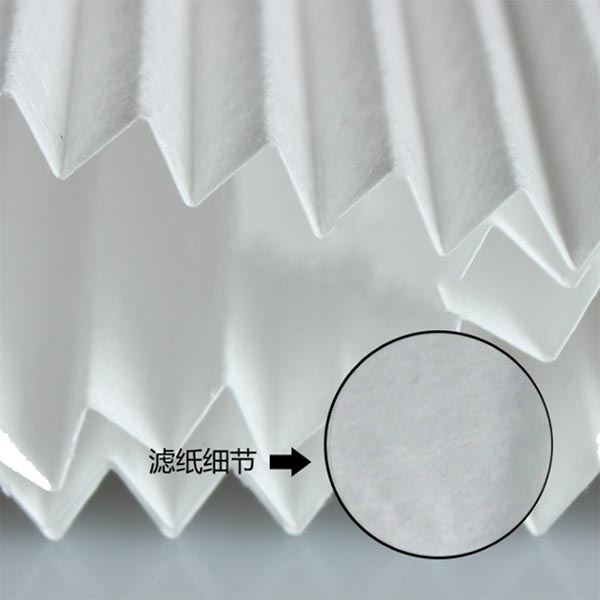
In technical terms, a water filter cloth is a fabric designed specifically to remove unwanted particles from water by filtration. It’s typically a woven or non-woven textile, made from fibers such as polyester, nylon, or polypropylene, that physically traps sediments, sludge, and sometimes microscopic organisms.
In practical terms, these cloths serve industries ranging from food & beverage to pharmaceuticals, but also humanitarian groups where quick and temporary filtration is needed before advanced treatment systems come into play.
Interestingly, the development of water filter cloth is not just a leap in fabric engineering; it also reflects ongoing efforts to improve public health through better water sanitation worldwide.
Durability: Endurance Under Pressure
Water filter cloth must stand up to constant wetting, drying, and mechanical stress. Many engineers I’ve talked to say durability is a make-or-break factor. Polyester blends often perform well here, resisting tearing and chemical damage while maintaining filtration efficiency.
Filtration Efficiency: Fine vs. Coarse
The mesh size or pore size of the cloth determines what particles it catches. Some filter cloths are designed for coarse filtration (removing leaves, silt), whereas others use tight weaves and nanoscale fibers to trap bacteria or fine sediments.
Cost Efficiency: Balancing Price and Performance
At scale, costs add up. Low-cost materials are tempting, but they often don't last or don't filter well. The trick is that sweet spot: service life long enough to avoid frequent replacements but affordable enough for communities and industries to adopt widely.
Scalability: From Small Kits to Industrial Plants
Water filter cloth isn’t just for a family’s water jug. It’s also used in large water treatment plants where giant filter presses use massive sheets of this material to separate solids from liquids—an essential step in treating waste or making potable water. Adaptability across scales is, frankly, impressive.
Environmental Impact: Sustainability Matters
Today, there’s growing interest in eco-friendly fibers, biodegradable options, or recycled textiles to reduce environmental footprints. Using sustainable materials in water filter cloth production ties into bigger goals about circular economies and less plastic pollution.
Where You’ll Find Water Filter Cloth in Action
Applications span the globe. In South Asia and Sub-Saharan Africa, NGOs often deploy simple filter cloths in rural regions where centralized water treatment is absent.
In industrial zones across Europe and North America, these cloths form integral parts of wastewater management systems, separating solids before water re-enters ecosystems.
During humanitarian crises—think floods or earthquakes—rapid water filtration solutions using disposable cloth filters save lives by providing immediate access to safer water.
Even food and beverage manufacturers use these textiles to maintain water quality, critical in products like juices or dairy.
So, it’s not just a product; it’s a bridge connecting environmental stewardship, public health, and industrial needs.
Mini Takeaway
Water filter cloth is more than fabric; it’s a frontline tool fighting water scarcity and pollution from homes to heavy industries. Its versatility and cost-effectiveness make it a key player in global water safety.
Advantages of Using Water Filter Cloth
- Cost Savings: Relatively inexpensive compared to high-tech filters, making it ideal for widespread use.
- Durability and Longevity: Can withstand harsh conditions, stretching usability timelines in real environments.
- Sustainability: When made from recycled or biodegradable materials, it supports environmental goals.
- Ease of Maintenance: Easy to clean, replace, or integrate into larger filtration systems.
- Social Impact: Improves health outcomes by providing safer water, thus preserving dignity and supporting development.
Water Filter Cloth Specifications
| Specification |
Details |
| Material |
Polyester / Nylon / Polypropylene |
| Weave Type |
Plain, Twill, or Mesh |
| Pore Size |
5 - 300 microns (customizable) |
| Width |
1 - 3 meters (varies by application) |
| Tensile Strength |
50 - 150 N/cm |
| Service Life |
6 months to 2 years (depending on use) |
Comparing Leading Water Filter Cloth Vendors
| Vendor |
Material Quality |
Pore Size Options |
Sustainability Features |
Price Per Meter |
Global Shipping |
| ClearWeave Textiles |
High-grade Polyester |
10-200 microns |
Recycled fiber content |
$15 |
Yes |
| PureFlow Fabrics |
Nylon Blend |
5-150 microns |
Biodegradable options |
$18 |
Limited |
| EcoFilter Solutions |
Polypropylene |
50-300 microns |
100% recycled materials |
$12 |
Yes |
Bright Horizons: Innovations & Future Trends
Oddly enough, the world of water filter cloth — so grounded in traditional materials — is poised for some exciting changes. Nanofiber integration now allows for ultra-fine filtration without sacrificing flow rates, something many engineers dream about.
Plus, with increasing pressure to reduce plastic waste, bio-based fibers like PLA (poly lactic acid) are entering the game.
Digitally, smart filtration is also emerging: cloths embedded with sensors can now monitor clogging or contamination levels in real time, which is a game-changer for large-scale water treatment.
All of this points to a future where water filter cloth isn’t just a passive barrier but an active participant in water management.
Facing Challenges Head-On
Of course, it’s not perfect. Common limitations include:
- Clogging and reduced filtration speed over time.
- Difficulty in standardizing pore size for diverse water sources.
- Environmental concerns if materials aren’t biodegradable or recycled.
But solutions are emerging: modular filter designs, easier cleaning techniques, and strict quality control standards help mitigate these issues.
FAQs About Water Filter Cloth
Q1: How often should water filter cloth be replaced in a typical household filter?
A: Generally, water filter cloths used in household applications should be replaced every 6 to 12 months, depending on water quality and usage frequency. Regular cleaning can extend life, but over time, clogging and fiber degradation reduce effectiveness.
Q2: Can water filter cloth filter out bacteria or just physical debris?
A: Most standard filter cloths catch physical particles, sediments, and some large pathogens. To effectively remove bacteria or viruses, cloths with very fine pore sizes or combined with chemical/UV treatment are necessary.
Q3: Is it possible to order custom-sized water filter cloth for industrial use?
A: Yes, many manufacturers offer custom width, pore size, and material compositions tailored to specific industrial applications, from wastewater to food production.
Q4: How does water filter cloth impact sustainability goals?
A: When produced from recycled or biodegradable fibers, filter cloths reduce waste. Their reusability and relatively low energy manufacturing footprint contribute positively to sustainable water treatment strategies.
Q5: Can water filter cloth be used in disaster relief scenarios?
A: Absolutely. Its portability, ease of use, and immediate impact in improving water quality make it ideal for humanitarian aid, especially in areas lacking infrastructure.
Conclusion: Why Water Filter Cloth Deserves a Spot in Your Water Strategy
In real terms, whether you’re overseeing an industrial plant, working in rural development, or just curious about water purification, water filter cloth is a foundational piece of the puzzle. It’s affordable, adaptable, and has proven itself time and again in helping provide access to cleaner water worldwide.
Want to explore top-rated, customizable water filter cloth options? Visit our website for details, specifications, and expert advice:
water filter cloth.
References
- United Nations - Human Right to Water
- World Bank - Water Data & Facts
- ISO - Water Quality Filtration Standards