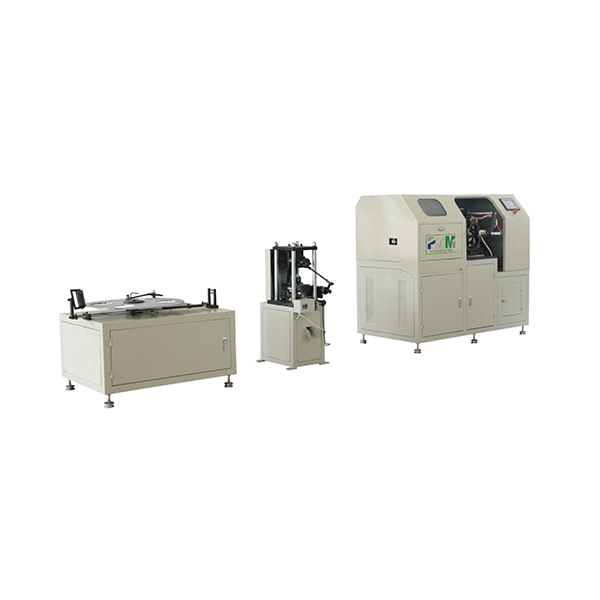
Vacuum Filter Belt: The Unsung Hero in Industrial Filtration
Imagine a manufacturing plant pumping out tons of wastewater laden with solids or a mining operation attempting to separate valuable minerals efficiently. How do they manage to keep their processes smooth, sustainable, and cost-effective? The vacuum filter belt quietly gets to work. It's a fundamental piece of industrial filtration technology shaping environmental controls worldwide. Today, understanding what a vacuum filter belt is — and why it matters — shines a light on a small but mighty component that keeps industries running cleaner and greener.
Global Context: Why Vacuum Filter Belts Matter Now More Than Ever
With the world’s rapid urban and industrial growth, wastewater and slurry treatment have never been more critical. According to the International Water Association, over 80% of wastewater globally — much of it heavily contaminated — is still untreated. The vacuum filter belt plays a crucial role in helping industries reduce solid residues, reclaim water, and minimize environmental footprints.
Interestingly, ISO standards have increasingly stressed efficient filtration systems for sustainability and pollution reduction. The vacuum filter belt fits neatly into this global trend, offering a balance between performance, durability, and cost-effectiveness. When industry giants and humanitarian relief organizations need fast, reliable filtration (think clean water access in disaster zones), this belt handles solids removal with impressive efficiency.
What Exactly Is a Vacuum Filter Belt?
In the simplest terms: a vacuum filter belt is a flexible, porous belt used in vacuum belt filter machines to separate solids from liquids in slurries. The belt is continuously looped and moves at slow speeds, while a vacuum underneath sucks water through the belt, leaving behind a cake of filtered solids on top.
This might sound technical, but it’s sort of like a conveyor and a filter rolled into one device. It operates quietly, consistently, and handles a huge range of materials — from mineral tailings to industrial sludge to food processing leftovers.
Its importance stretches far beyond just core industries; it aligns with a growing emphasis on water reuse, waste reduction, and responsible resource management, all essential for any modern sustainable operation.
Core Components & Key Factors of a Vacuum Filter Belt
1. Durability & Material Composition
The belt itself typically comprises polyester or nylon, woven tightly to balance porosity and strength. Durability against chemical corrosion and mechanical wear is critical because downtime for belt replacement can hit production hard.
2. Filtration Efficiency
Efficient removal of fine solids while maintaining water throughput requires precise belt pore sizes and tension control. Many engineers will tell you the sweet spot is a belt that’s both fine enough to catch tiny particles but open enough to avoid clogging.
3. Scalability & Size Options
From small, bespoke units servicing pilot plants to giant industrial-scale arrangements filtering hundreds of cubic meters per hour, vacuum filter belts come in sizes and weave styles to fit the need.
4. Maintenance & Cleanability
A belt that’s easy to maintain and clean lengthens operational life. Many manufacturers now design belts with self-cleaning features or recommend periodic automated washing to minimize operator intervention.
5. Cost Efficiency & Longevity
Balancing the upfront cost with long lifespan and performance is always part of the equation. Quality belts may cost a tad more but can outperform cheap alternatives by weeks or even months, saving on replacement and downtime.
Mini takeaway: The vacuum filter belt is engineered for a sweet balance — tough yet permeable, large or small scale, reliable yet cost-savvy.
Real-World Applications of Vacuum Filter Belts
Vacuum filter belts quietly serve industries worldwide. Here are just a few:
- Mining & mineral processing: Separating valuable ore from waste rock using vacuum belt filters is standard practice — particularly in remote regions of Australia and South America.
- Water treatment plants: Municipal facilities use vacuum filter belts to treat sewage sludge, improving water reuse and reducing environmental impact.
- Food and beverage processing: Clarifying juices and removing pulp solids efficiently.
- Chemical manufacturing: Recovery of catalysts or filtration of by-products.
- Post-disaster relief: Rapid deployment of mobile filtration units helps restore clean water access where traditional infrastructure is damaged.
Mini takeaway: The vacuum filter belt’s adaptability means you’ll find it working just about anywhere solid-liquid separation is mission-critical.
Advantages and Long-Term Value of Vacuum Filter Belts
So, why opt for vacuum filter belts over other filtration methods? Well, for starters:
- Efficiency: They remove solids rapidly and continuously, reducing manual tasks.
- Sustainability: Enable water reuse, lowering freshwater demand — vital for drought-prone regions.
- Reliability: With proper maintenance, belts last many months, even years.
- Cost savings: Less labor, fewer consumables, and longer service life translate into real dollars saved.
- Social impact: Cleaner effluent means healthier communities and safer ecosystems.
Plus, there’s the somewhat intangible benefit of knowing you’re part of a cleaner, more sustainable future. It’s this combination of logic and heart that often wins over engineers and managers alike.
Vacuum Filter Belt: Technical Product Specifications
| Specification |
Typical Value |
Notes |
| Material |
Polyester mesh, Nylon composite |
Chemically treated for corrosion resistance |
| Pore Size |
20 - 80 microns |
Depends on solids size in slurry |
| Belt Width |
From 0.5 to 3 meters |
Custom options available |
| Working Temperature |
-20°C to 85°C |
Limits vary by material |
| Maximum Tension |
1500 N/cm |
Ensures stable operation and minimal stretch |
| Lifespan |
6 to 18 months |
Varies with application and maintenance |
Choosing Your Supplier: Vacuum Filter Belt Vendor Comparison
| Vendor |
Material Quality |
Customization Options |
Delivery Speed |
Price Range |
After-Sales Support |
| MFILTER Solutions |
High-grade Polyester & Nylon |
Wide range, bespoke sizing |
Fast (1–2 weeks) |
Mid to high |
24/7 technical support |
| Global Filters Inc. |
Standard Textile Materials |
Limited sizes |
Moderate (3–4 weeks) |
Mid |
Business hours only |
| EcoBelt Technologies |
Eco-friendly composites |
Custom options with longer lead times |
Slow (4–6 weeks) |
High |
Consultation & installation |
Looking Ahead: Future Trends in Vacuum Filter Belt Technology
The vacuum filter belt sector is evolving, blending materials science and digital tech. Innovations include:
- Advanced composite belts that resist harsher chemicals and temperatures, improving durability.
- Smart monitoring systems that use sensors to detect wear or clogging in real time, minimizing downtime.
- Automation integration: Seamless connection with industrial IoT for predictive maintenance and better process control.
- Environmentally friendly materials: Belts made from recycled polymers or biodegradable fibers.
These trends align with the global push towards sustainability and efficiency, as industries are under pressure to reduce emissions and conserve resources.
Common Challenges and Solutions When Using Vacuum Filter Belts
Vacuum filter belts do have their challenges. For example:
- Pore clogging can cause lower filtration efficiency.
- Belt wear or tears from abrasive solids shorten lifespan.
- Incorrect tensioning leads to uneven filtration or slippage.
But expert operators swear by regular maintenance, timely cleaning cycles, and using material-specific belts to overcome these issues. Plus, innovations like self-cleaning belts or adjustable tensioning units have made life a lot easier.
FAQ: Frequently Asked Questions About Vacuum Filter Belts
- Q: How often should a vacuum filter belt be replaced?
- A: Typically, belts last 6 to 18 months depending on the slurry’s abrasiveness, maintenance, and operating conditions. Regular inspections help predict wear before failure.
- Q: Can vacuum filter belts handle chemically aggressive slurries?
- A: Yes, but you need belts made from specially treated synthetic fibers or composites designed for chemical resistance. Check with your supplier for compatibility.
- Q: Are vacuum filter belts customizable for unusual slurry types?
- A: Absolutely. Many manufacturers offer a range of pore sizes, widths, and materials to fit specific applications.
- Q: What maintenance is required to keep vacuum filter belts operating optimally?
- A: Regular cleaning—either manual or automated—is critical to prevent clogging. Monitoring belt tension and inspecting for damage also help maintain performance.
- Q: Where can I buy reliable vacuum filter belts?
- A: MFILTER Solutions (vacuum filter belt) is known for quality products, quick delivery, and strong customer support, making them a solid choice.
In Conclusion: Why Vacuum Filter Belts Will Keep Filtering the Future
To sum up, vacuum filter belts may seem like simple components, but their impact on filtration efficiency, sustainability, and operational reliability is anything but small. They help industries stay productive while reducing environmental harm and supporting social responsibility. Plus, with smart innovations on the horizon, their role is only set to grow in importance.
If you’re in need of an effective, durable filtration belt tailored to your slurry needs, don’t hesitate to check out proven vendors like vacuum filter belt suppliers who combine quality with expertise.
After all, every filtration journey begins with the right belt.
References:
- Wikipedia — Filtration
- ISO 9001 Quality Management Systems
- United Nations World Water Development Report 2014