Oct . 20, 2025
If you’re shopping for an active carbon air filter for air purifier, the glossy spec sheets won’t tell you everything. I’ve toured a few lines in Hebei and the Yangtze Delta over the years; what stands out is how consistent prep and slitting of the non-woven/carbon composite quietly decides performance. In other words, the dull stuff—alignment, cut accuracy, carbon loading—matters more than the flashy marketing.
Industry trend check (2025): higher iodine numbers (≥900 mg/g), honeycomb or pleated carbon mats to cut pressure drop, and more lab references to ISO 10121 gas-phase tests. To be honest, consumers mostly ask: “Will it remove smell and formaldehyde fast without throttling airflow?” Fair.
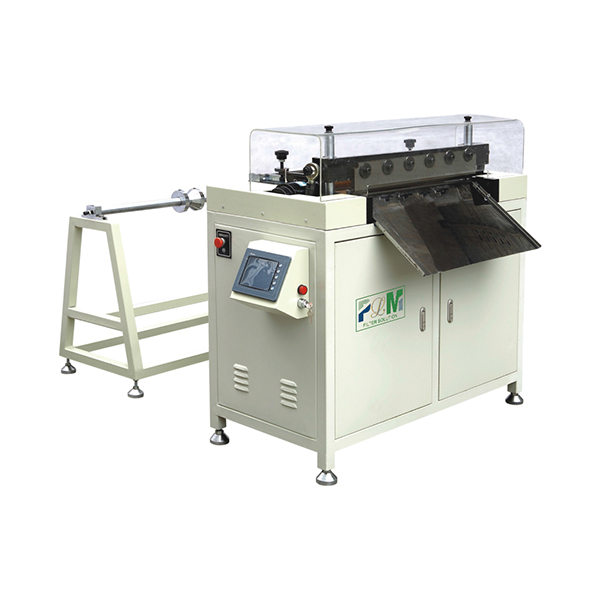
Process flow, simplified:
Note: The PLHK-50 line I saw (origin: East of Anping County, Hengshui City, Hebei Province, China 053600) keeps edge fray minimal—small thing, big impact on sealing and leakage.
| Filter Type | Granular or impregnated activated carbon panel |
| Carbon Basis | Coconut shell; iodine number ≈ 1000 mg/g (real-world may vary) |
| Carbon Loading | ≈ 250–400 g/m² |
| Pressure Drop | ≈ 45–80 Pa @ 180 m³/h (305 x 240 mm panel) |
| VOC/odor removal | Formaldehyde 85–95% after 60 min in 30 m³ chamber; toluene 70–90% [lab conditions] |
| Service Life | 6–12 months, depends on VOC load and humidity |
| Certs | RoHS, REACH; tested to ISO 10121; purifier to GB/T 18801 or AHAM AC-1 |
| Vendor | Carbon Quality | Build/Frame | Notes |
|---|---|---|---|
| A (Hebei) | Iodine ≈ 1000–1100 mg/g; CTC ≈ 60% | ABS; tight gasket, low leak | Good odor snap-in; pressure drop on the low side |
| B (Zhejiang) | Iodine ≈ 900–1000 mg/g | Card frame; budget | Value play; lifespan shorter in humid homes |
| C (Guangdong) | Impregnated carbon for CH2O | PP + prefilter combo | Great for new apartments; mid airflow resistance |
Field note: One renovation contractor reported 92% formaldehyde reduction in 48 hours (two units at 200 m³/h each, 42 m² flat). Not a clinical trial, but it tracks with lab curves.
Look for ISO 10121 gas-phase test data and GB/T 18801 or AHAM AC-1 on the purifier. Replace the active carbon air filter for air purifier before odor breakthrough—usually 6–9 months in urban apartments. And yes, humidity degrades adsorption; if you live by the coast, expect shorter life.
Citations
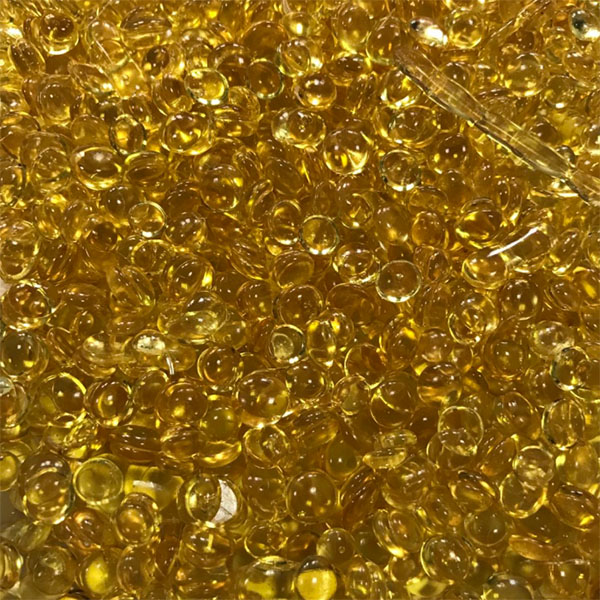
High-Performance Hot Melt Adhesive for Automated Production Lines
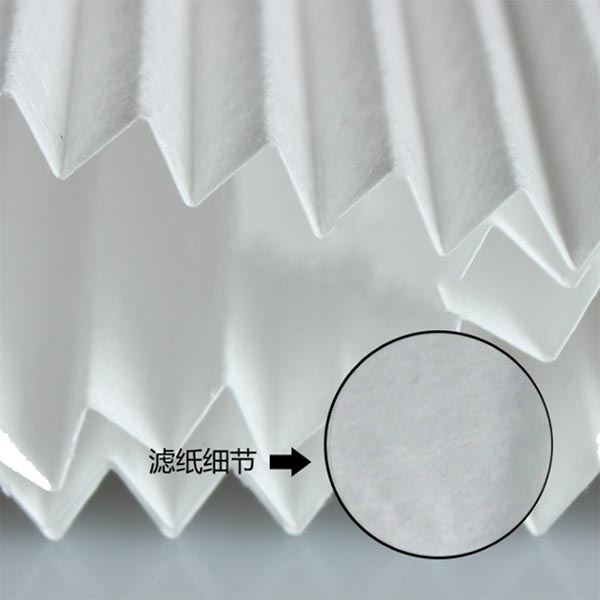
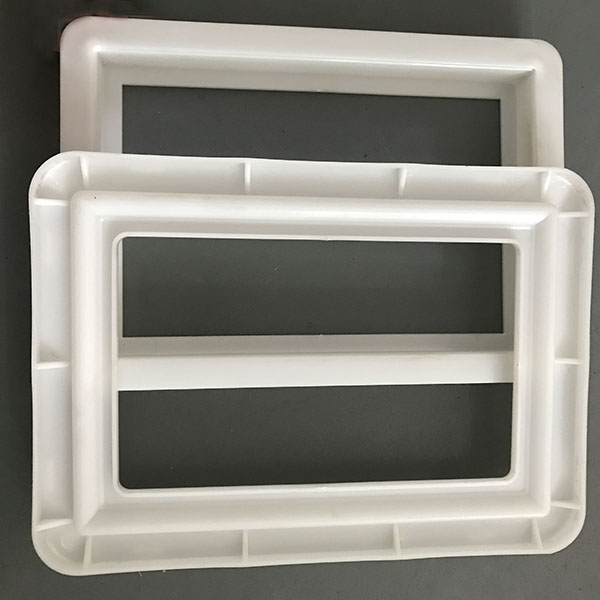

High Quality Separator Filter – Reliable Industrial Filtration Solutions