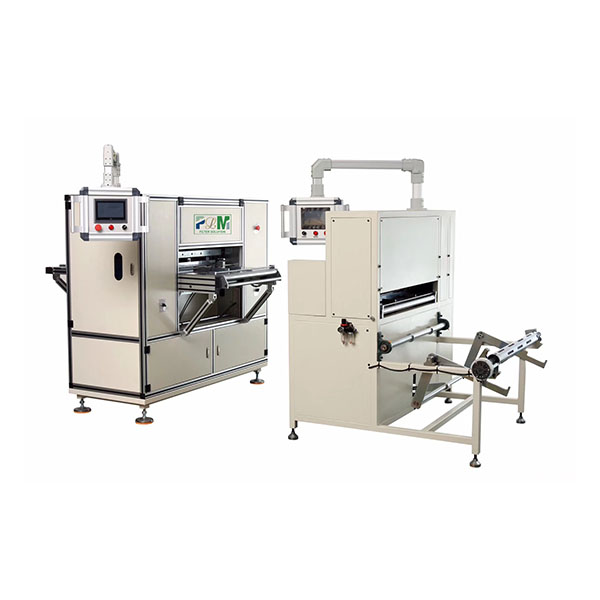
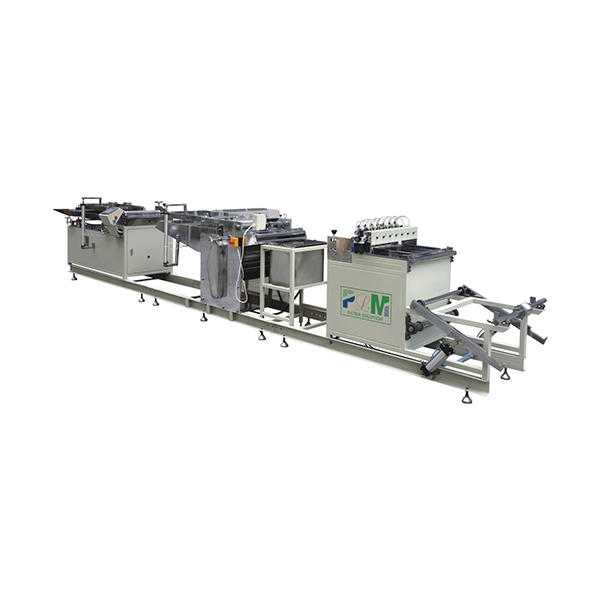
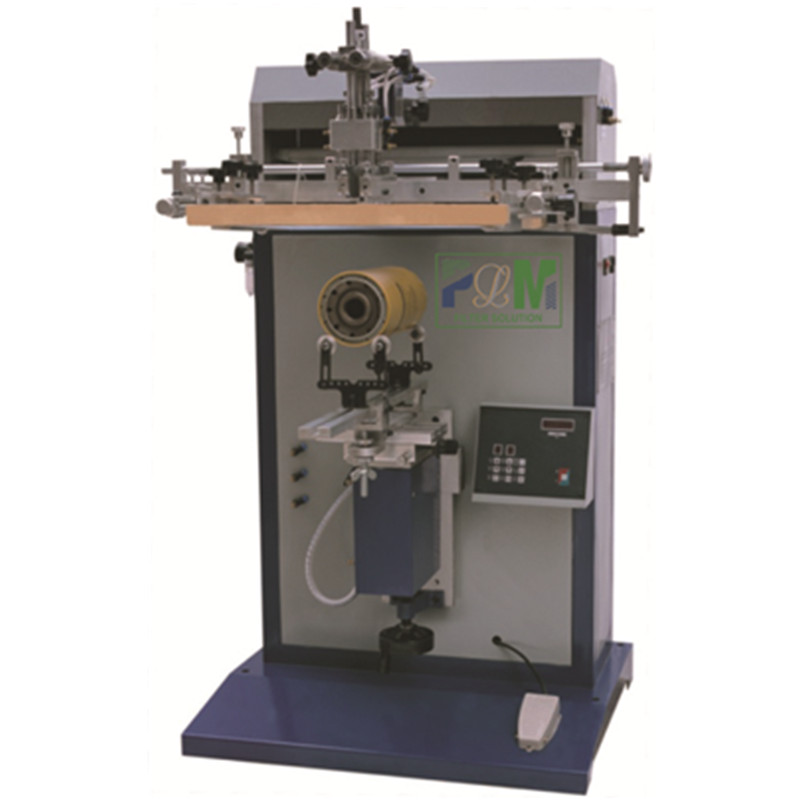
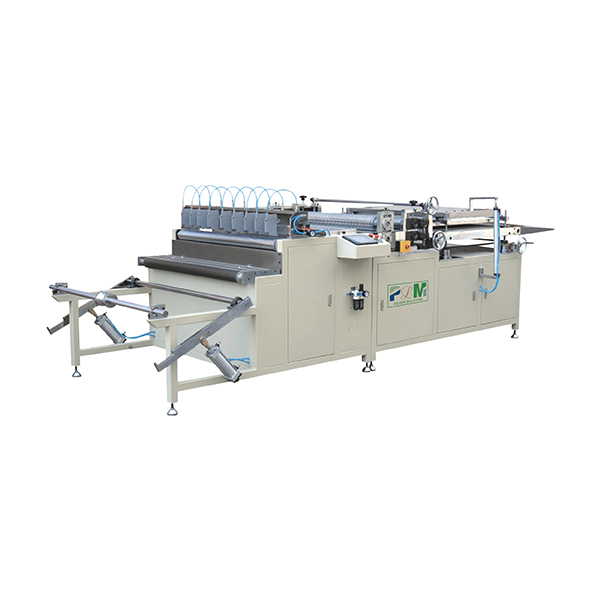
Afghanistan's unique geography, characterized by arid climates and high levels of airborne particulate matter, creates a critical demand for high-efficiency filter machine capabilities. The current reliance on imported filtration components slows down industrial maintenance and increases operational costs for local transport and infrastructure projects.
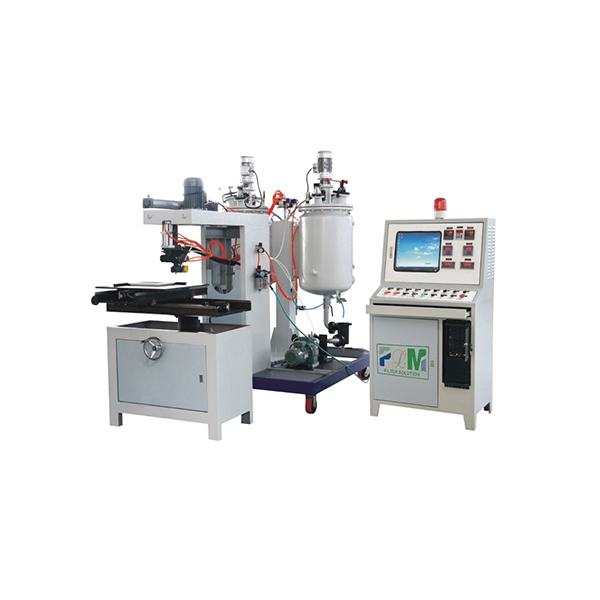
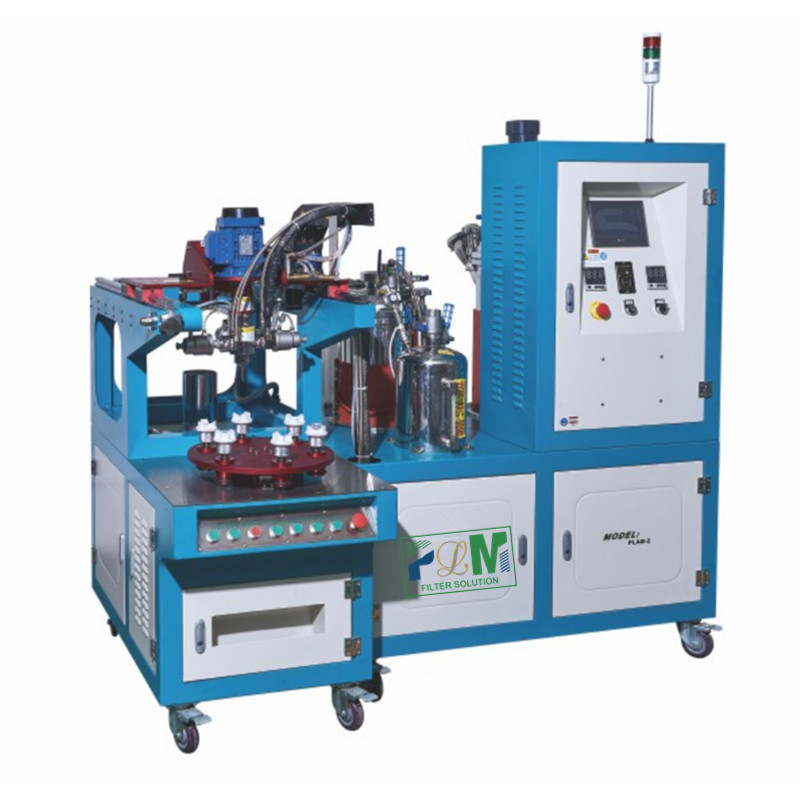
With the rise of urban construction and the growth of the automotive fleet in cities like Kabul and Herat, there is a significant gap in the local production of spin-on oil filters. This has led to a market ripe for the introduction of an automated spin-on oil filter machine to stabilize the supply chain.
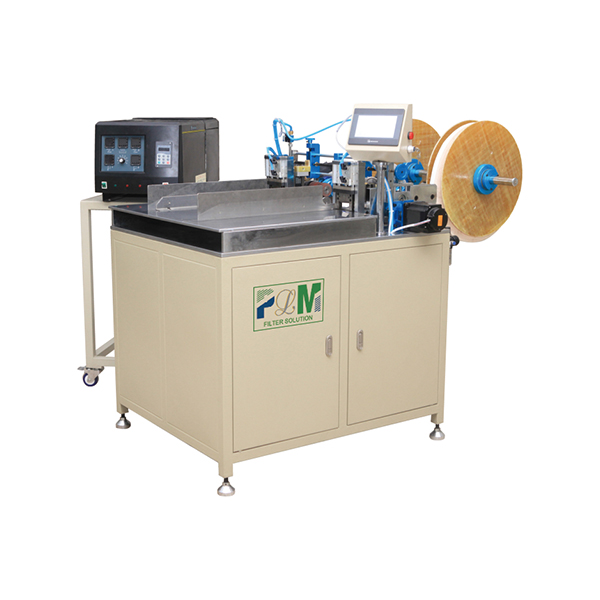
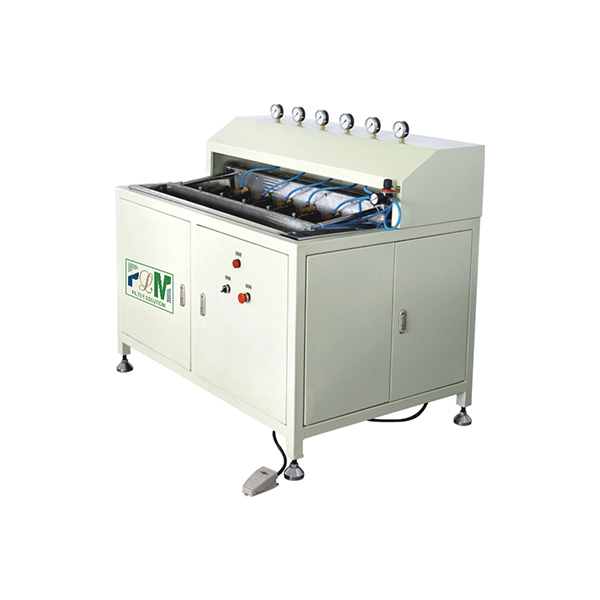
Furthermore, the lack of specialized bonding technology has historically limited the durability of locally assembled filters. Implementing a professional bonding machine is now essential to ensure that filter media are sealed effectively against the harsh, dusty environments of the region.