Air Filter Paper: The Unsung Hero of Clean Air and Industrial Efficiency
We rarely stop to think about the thin sheets of specialized filter paper quietly working behind the scenes — yet air filter paper is fundamental to so many industries, and frankly, our health. Globally, as air pollution becomes a mounting challenge, the humble air filter paper has become a critical frontline defense against contaminants, protecting everything from hospital wards to heavy machinery. Understanding its role isn’t just a niche interest; it’s a gateway to better environmental outcomes, improved product longevity, and healthier living conditions worldwide.
Why Air Filter Paper Matters in a Global Context
According to the World Health Organization, around 7 million premature deaths annually are linked to air pollution exposure. Meanwhile, industries like automotive manufacturing, HVAC (heating, ventilation, and air conditioning), and even food processing depend heavily on airborne particulate control.
Here's the kicker: the ISO has been ramping up standards for filtration efficiency, pushing manufacturers to develop higher-performance air filter materials. With mounting regulatory pressure and customer demand for cleaner environments, the role of air filter paper is more significant than ever. Without it, machines malfunction, air quality drops, and health risks climb.
So, What Exactly Is Air Filter Paper?
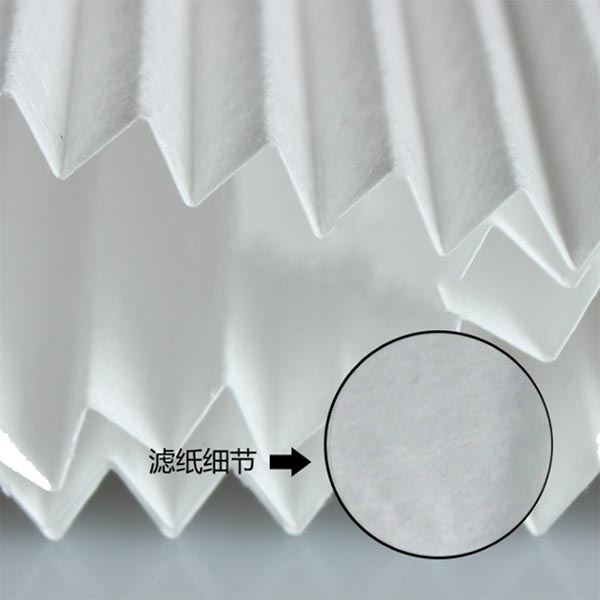
In simple terms, air filter paper is a type of permeable paper designed to trap airborne particles while allowing clean air to pass through. Made primarily from cellulose fibers, sometimes paired with synthetic materials, it is engineered to balance airflow with filtration efficiency. Think of it as a microscopic sieve for dust, pollen, and other tiny intruders — the stuff that ruins machinery and chokes lungs.
This material finds heavy use in industries ranging from automotive filters under your car’s hood to air purification systems in hospitals and even in humanitarian aid settings where ensuring clean air quickly can be a matter of survival.
Core Features That Define Quality Air Filter Paper
1. Filtration Efficiency
Good air filter paper must strike a balance—blocking up to 99% of particles down to submicron sizes without choking airflow. This requires precision in fiber density and layering.
2. Durability & Moisture Resistance
Moisture can degrade filter paper rapidly, causing swelling or breakdown. Manufacturers often treat the paper with additives to withstand humid or oily conditions — critical for automotive or industrial sites.
3. Breathability (Airflow Capacity)
Too dense? The airflow suffers, and your systems work harder, wasting energy. Too porous? Particles slip through. Engineers often tweak pore size to optimize this trade-off.
4. Cost Efficiency
While high-grade synthetic filters exist, air filter paper remains a cost-effective choice, especially when easily replaceable or disposable filters are required.
5. Environmental Compatibility
Many filter papers today are made from sustainably sourced cellulose and are biodegradable, easing disposal concerns and aligning with green initiatives.
Mini Takeaway: Choosing the right air filter paper comes down to matching the filtration demands with the operating environment, balancing efficiency and durability without breaking the bank.
Where Does Air Filter Paper Come Into Play Globally?
Industries across the world rely on air filter paper:
- Automotive: Cars and trucks use cabin and engine air filters made from specialized filter paper to keep engines healthy and passengers breathing clean air.
- Manufacturing: Factories in regions like Southeast Asia and Europe employ filter paper to protect equipment from dust and debris, reducing downtime.
- Healthcare: Hospitals deploy high-efficiency air filter paper within HVAC to prevent infectious airborne disease spread.
- Humanitarian Aid: In disaster zones (like after wildfires or urban pollution spikes), portable air purifiers use filter paper to maintain breathable air rapidly.
For instance, a recent wildfire in Australia increased demand for portable air purifiers that basically live or die by the quality of their air filter paper.
Product Specification Table: Typical Air Filter Paper Characteristics
| Specification |
Typical Range |
Notes |
| Fiber Composition |
70-90% cellulose, 10-30% synthetic fibers |
Enhances durability and moisture resistance |
| Particle Filtration Efficiency |
85-99% for 0.3 micron particles |
Varies by grade and layering |
| Thickness |
0.3mm - 1.0mm |
Depends on application and airflow demands |
| Air Permeability |
150-400 m³/m²/min |
Measured at standard pressure drop |
| Moisture Resistance Treatment |
Available (Yes/No) |
Varies based on manufacturer |
Choosing the Right Vendor for Air Filter Paper
Picking a supplier isn’t as straightforward as I once thought. Beyond price, factors like production capacity, lead time, and certifications make a big difference. Here’s how three notable vendors stack up:
| Vendor |
Certifications |
Lead Time |
Price Range (USD/kg) |
Sustainability Features |
| Global Filter Corp |
ISO 9001, ISO 14001 |
2-3 weeks |
8.50 - 10.20 |
Use of recycled fibers, biodegradable coatings |
| EcoPaper Solutions |
FSC Certified, ISO 14001 |
4-5 weeks |
9.00 - 11.00 |
100% sustainable sourcing, compostable |
| Precision Filters Ltd. |
ISO 9001, TS 16949 (auto industry) |
1-2 weeks |
7.80 - 9.30 |
Focus on durability, less on eco features |
Advantages and Long-Term Value of Using Quality Air Filter Paper
There’s a lot at stake with air filtration. Choosing the right air filter paper can translate into:
- Cost savings: Better filtration means less equipment damage and longer maintenance intervals.
- Health improvements: Cleaner air indoors or onsite means fewer respiratory issues for workers and communities.
- Environmental sustainability: Modern biodegradable filter paper reduces landfill waste, while manufacturing improvements cut emissions.
- Trust and compliance: Passing stringent industry standards and local environmental laws becomes far easier.
It’s odd but true—good air filter paper often improves not just the technical but the emotional quality of life. People feel safer, factories hum smoothly, and regulators nod approvingly.
Looking Forward: Innovations and Future Directions
Looking ahead, the landscape of air filter paper is shifting. Experts are exploring:
- Nanofiber technology: Ultra-thin fibers that trap finer particles without restricting airflow.
- Smart filters: Embedded sensors in filter media to signal replacement times automatically.
- Green chemistry: Water-based, non-toxic coatings replacing traditional treatments.
- Integration with IoT: Connected air purification systems that adapt in real time to air quality fluctuations.
Just a decade ago, we wouldn’t imagine our filters talking back to us. Fancy, but real.
Challenges and How the Industry Is Overcoming Them
Despite its strengths, air filter paper faces hurdles:
- Degradation quickly under extreme conditions: High temperature or oily environments reduce filter life.
- Balancing filtration with breathability: It’s still tricky to get both perfect in one product without jumping costs.
- Waste management: Disposable filters contribute to landfill mass.
To tackle these, companies are tackling raw material innovations, pushing for recycling programs, and developing hybrid membranes that extend filter lifespan. It’s a race for smarter, greener solutions.
FAQ: Frequently Asked Questions About Air Filter Paper
Q1: How often should air filter paper be replaced in industrial settings?
A: Replacement depends on the environment. In dusty, high-pollution areas, filters may need changing every 3-6 months, while cleaner environments might allow 12 months or more. Regular monitoring of pressure drop across the filter helps decide the right timing.
Q2: Can air filter paper be recycled or reused?
A: Most air filter papers, especially those with synthetic treatments, are not reusable. However, biodegradable or cellulose-based filters can sometimes be composted, and recycling programs for filter media are growing globally.
Q3: What are the differences between synthetic and cellulose air filter papers?
A: Cellulose filters are made of natural fibers, offering good biodegradability but can be less durable. Synthetic papers often have enhanced moisture resistance and durability but may be less eco-friendly.
Q4: Are there industry standards for air filter paper efficiency?
A: Yes, ISO 16890 and ASHRAE standards define filtration classifications and test procedures to ensure consistent quality and efficiency.
Q5: How do environmental regulations impact air filter paper innovation?
A: Stricter emissions and indoor air quality laws push manufacturers to develop higher-efficiency and more sustainable filter papers, driving market growth and technological advancement.
Wrapping Up: The Lasting Impact of Quality Air Filter Paper
In real terms, investing in the right air filter paper brings dividends in health, compliance, and machine reliability — an often quiet but vital player in global industrial and environmental health. Curious to learn more or source quality filters? Visit our website — because clean air starts with clean filters.
Mini takeaway: Air filter paper may seem a small piece of the puzzle, but it underpins cleaner air and smoother operations worldwide — a filter for the future, truly.
References
- World Health Organization - Air Quality and Health
- ISO 16890 - Air Filter Testing Standard
- Wikipedia - Air Filter