Sep . 04, 2024
The Best Water Filter Materials Ensuring Clean and Safe Drinking Water
Access to clean water is essential for health and well-being. As concerns about water quality continue to grow, utilizing effective water filter materials has become increasingly important. In this article, we will explore some of the best materials used in water filtration systems and how they work to ensure safe drinking water.
Activated carbon is one of the most widely used materials in water filtration systems. Its porous structure provides a large surface area that can effectively adsorb impurities and contaminants from water. Activated carbon is particularly effective in removing chlorine, sediments, volatile organic compounds (VOCs), and bad odors. Its ability to improve water taste makes it a popular choice for both home filtration systems and commercial water purification solutions.
2. Reverse Osmosis Membranes
Reverse osmosis (RO) is a highly effective filtration technology that employs semi-permeable membranes to remove a wide range of contaminants from water. RO membranes can filter out microorganisms, heavy metals, salts, and other impurities. The process involves applying pressure to push water through the membrane, allowing only pure water to pass while leaving contaminants behind. This method is particularly useful for areas with hard water or high levels of dissolved solids.
3. Ceramic Filters
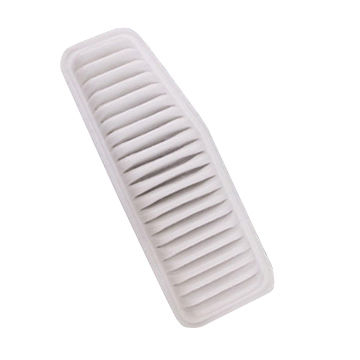
Ceramic filters are another popular option for water filtration, especially in areas lacking access to clean water. These filters are made from natural materials and have fine pores that can trap bacteria, protozoa, and sediments. Ceramic filters are durable, reusable, and do not require electricity, making them an attractive option for both rural and urban settings. They are often used in household filtration systems, gravity filters, and portable water filters.
4. Ion Exchange Resins
Ion exchange is a process that uses resins to remove undesirable ions from water and replace them with more desirable ones. This method is particularly effective in softening hard water by removing calcium and magnesium ions, which can cause scale buildup in pipes and appliances. Additionally, ion exchange resins can be used to remove heavy metals, nitrates, and other contaminants. This technology is widely employed in both residential water softeners and industrial water treatment systems.
5. UV Light
While not a traditional filter material, ultraviolet (UV) light is an effective method for purifying water, especially when used in conjunction with other filtration systems. UV light destroys bacteria, viruses, and other pathogens by damaging their DNA, rendering them inactive. This chemical-free method of disinfection is gaining popularity in both home and commercial water treatment systems due to its efficiency and minimal environmental impact.
Conclusion
The selection of the best water filter material depends on various factors, including the specific contaminants present in the water, the intended use, and personal preferences. Activated carbon, reverse osmosis membranes, ceramic filters, ion exchange resins, and UV light all offer unique benefits in ensuring clean and safe drinking water. By understanding these materials and their functionalities, consumers can make informed decisions about their water filtration needs, ultimately leading to a healthier lifestyle and improved water quality. Remember, clean water is not just a luxury – it’s a necessity for everyone.
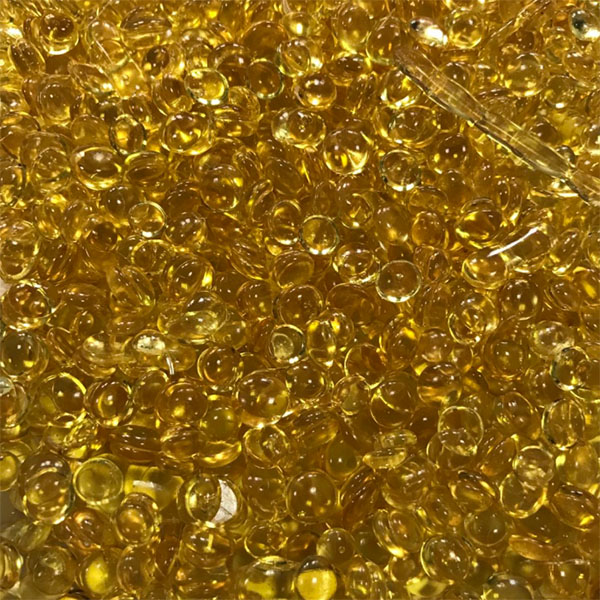
High-Performance Hot Melt Adhesive for Automated Production Lines

Mobility applications provide significant opportunity for nanofiber