Nov . 25, 2024
The Evolution of Machines for Manufacturing Radiators in China
In recent years, China's manufacturing sector has become a powerhouse, driving the global economy and setting trends in various industries, including automotive and HVAC (heating, ventilation, and air conditioning). One key product in these industries is the radiator, a crucial component for engine cooling and climate control systems. This article explores the machines and technologies employed in the production of radiators in China, highlighting their evolution and significance.
Historical Context
The production of radiators has its roots in the early 20th century when the automotive industry began to flourish. Initially, radiators were made from brass or copper, requiring extensive handcrafting and rudimentary machines. As demand grew, particularly with the rise of cities and the automotive boom, manufacturers sought more efficient methods to produce radiators at scale.
In the late 20th century, China began to emerge as a global manufacturing hub. Leveraging its vast labor pool and expanding technological capabilities, China rapidly adopted and adapted new manufacturing techniques for various components, including radiators. The introduction of advanced machinery for radiator production was a game-changer that reshaped the industry landscape.
Modern Machinery Used in Radiator Production
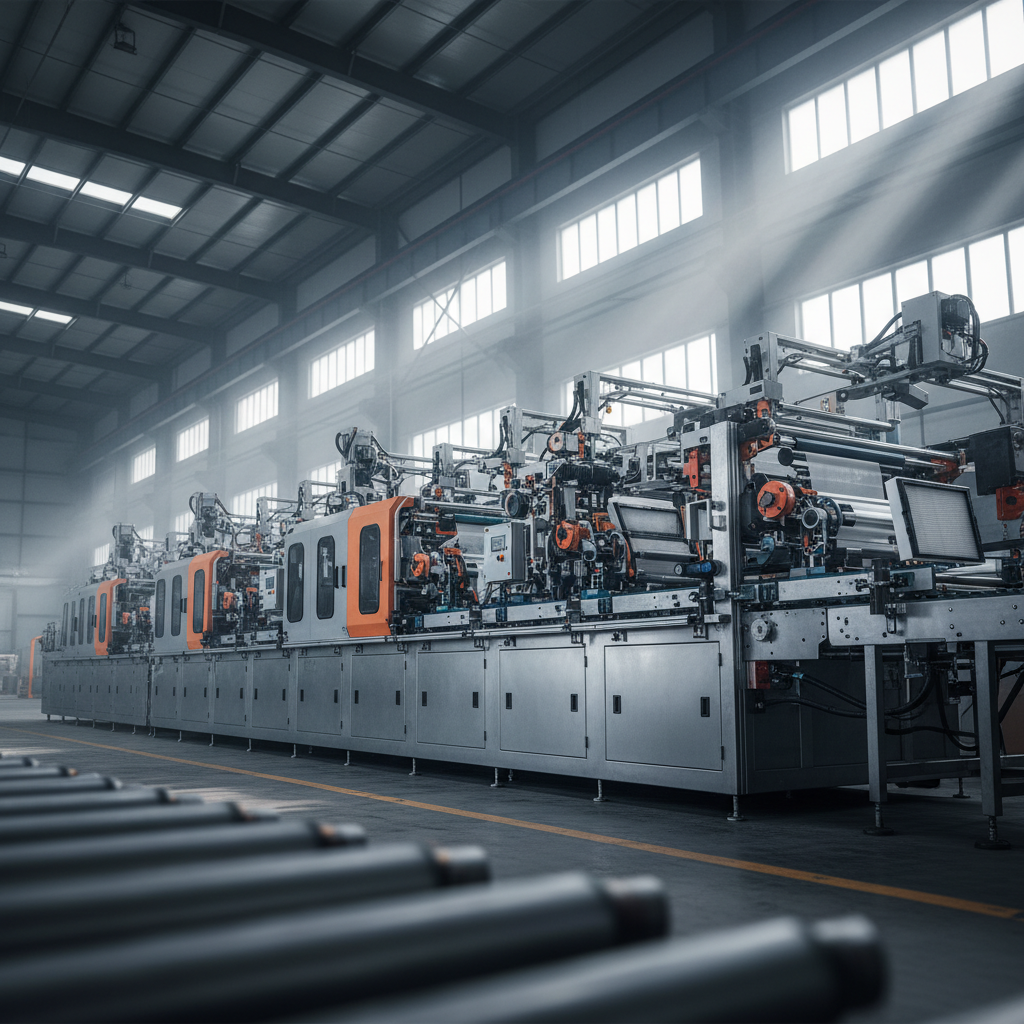
Today, radiator manufacturing in China involves a combination of advanced machinery and automation
. Several key machines and technologies are integral to the production process1. Press Machines These machines are essential for shaping the metal components of radiators. High-speed stamping machines are commonly used to create fins and tanks, which are vital for radiator efficiency. The precision and speed of these machines reduce material waste and improve overall product quality.
2. Welding Machines Welding is a critical step in radiator assembly. Automated welding systems, including laser and robotic welders, ensure strong joints and minimize the risk of leaks. The use of high-precision welding technology enhances the durability of radiators, making them more reliable in demanding conditions.
3. Fin Production Equipment The fins of a radiator are crucial for heat dissipation. Specialized machines are used to produce and assemble these fins, ensuring optimal airflow and thermal performance. New technologies, such as corrugated fins, have been introduced to enhance the heat exchange efficiency further.
4. Testing and Quality Control Machines Ensuring that radiators meet strict quality standards is vital for manufacturers. Non-destructive testing machines are employed to check for leaks and structural integrity. These advanced testing methods allow manufacturers to guarantee that their products can withstand extreme conditions and perform optimally throughout their lifespan.
5. Robotics and Automation The integration of robotic systems into the radiator manufacturing process has greatly increased efficiency. Robots can handle repetitive tasks such as assembly and packaging, allowing human workers to focus on more complex operations. This shift not only boosts productivity but also enhances workplace safety.
The Impact of Technology on Production Efficiency
The adoption of advanced machinery and techniques has significantly improved production efficiency in China. With the capacity to produce radiators on a large scale, manufacturers can meet the demands of both domestic and international markets. As a result, China has become one of the leading producers of radiators globally, supplying major automotive and HVAC companies around the world.
Moreover, the focus on technological advancements in manufacturing has led to innovations that reduce environmental impact. Energy-efficient machines and sustainable practices are becoming increasingly prevalent in the industry, aligning with global trends towards greener manufacturing.
Conclusion
China's machines for manufacturing radiators reflect the country's broader commitment to innovation and efficiency in the industrial sector. As technology continues to evolve, the future of radiator production looks promising, marked by increased automation, enhanced quality control, and a focus on sustainability. For manufacturers, staying ahead of technological trends will be essential to maintaining competitiveness in an ever-evolving global market. The evolution of radiator manufacturing in China serves as a testament to the country's adaptability and commitment to excellence in manufacturing.
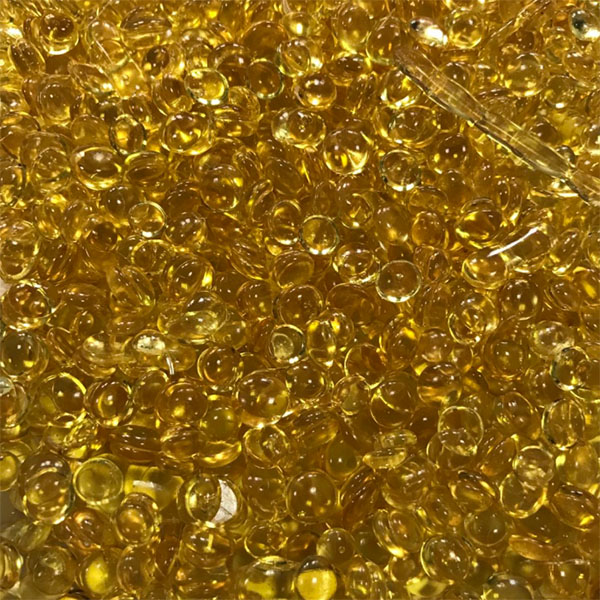
High-Performance Hot Melt Adhesive for Automated Production Lines
Optimizing Air Quality with Advanced Cabin Air Filter Producing Machine Solutions