Mar . 21, 2026
The demand for high-quality oil filters is constantly growing, driven by the automotive, industrial, and marine sectors. Meeting this demand requires efficient and reliable production methods. An ecooil filter producing machine represents a significant investment for businesses aiming to streamline their manufacturing processes and deliver superior products. This article provides a detailed overview of these machines, their benefits, applications, and factors to consider when making a purchase. We'll explore the technology behind these machines and how they can optimize your filter production.
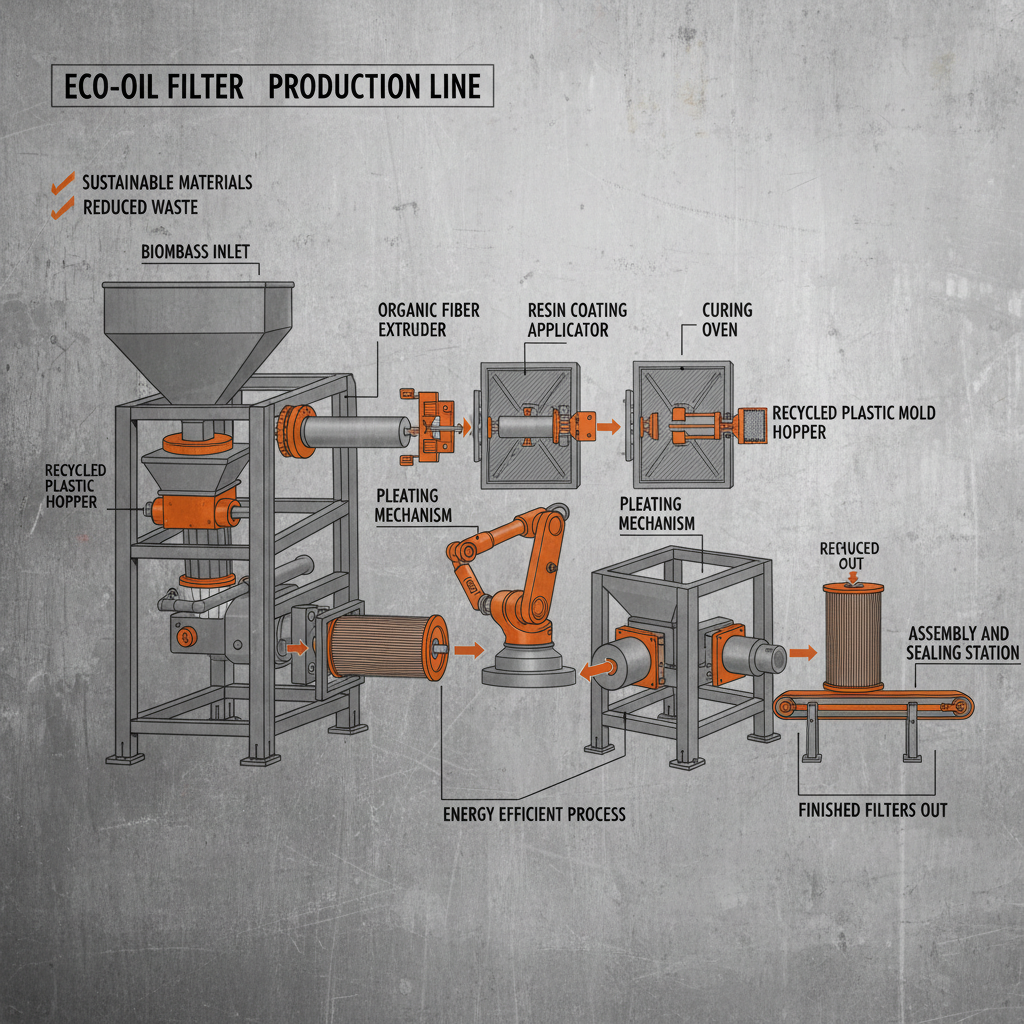
An ecooil filter producing machine is an automated system designed to manufacture oil filters efficiently and consistently. These machines typically encompass several stages, including media processing (pleating or spiraling the filter paper), component assembly (end caps, inner cores, gaskets), and quality control. Modern machines are often equipped with advanced sensors and control systems for precise operation and minimal waste. They cater to various filter types, from automotive engine oil filters to industrial hydraulic filters and beyond. The machines are designed to not only enhance production volume but also improve the quality and consistency of the finished product, minimizing defects and maximizing performance. MFilterSolution provides a variety of ecooil filter machines tailored to diverse production needs.
Key Benefits: Increased production efficiency, reduced labor costs, improved product consistency, minimized material waste, and enhanced quality control.
A typical ecooil filter producing machine consists of several essential components working in harmony. These include: Media Handling System - This section manages the filter media, whether it's paper, synthetic fiber, or a combination. It includes unwinding, pleating (or spiraling), and cutting mechanisms. Assembly Unit - This unit assembles the various filter components, such as the filter media, end caps, inner cores, gaskets, and sealing materials. Quality Control System - Equipped with sensors and vision systems, this system inspects the finished filters for defects, ensuring they meet quality standards. Control Panel & PLC System - The brain of the machine, controlling all operations and allowing for precise adjustments and monitoring. Automatic Feeding System - this system automatically feeds the components into the machine. Understanding these components is key to appreciating the machine’s overall functionality.
Ecooil filter producing machines cater to a broad spectrum of industries. The automotive sector is a primary user, requiring high volumes of engine oil filters, transmission filters, and fuel filters. Industrial applications, including hydraulic systems, pneumatic systems, and lubrication systems, demand specialized filters for maintaining fluid cleanliness. The marine industry utilizes filters for engine oil, fuel, and coolant systems. Furthermore, the aerospace industry requires highly precise and reliable filters for critical applications. The versatility of these machines allows manufacturers to produce filters for various viscosities, temperatures, and contaminant types, meeting the specific needs of each industry.
Industry Applications:
• Automotive Manufacturing
• Industrial Equipment
• Marine Vessel Maintenance
• Aerospace Engineering
When selecting an ecooil filter producing machine, understanding its specifications is crucial. Here's a comparative overview of common features and specifications:
Selecting the appropriate machine depends on several factors, including your production volume, budget, the types of filters you intend to manufacture, and your level of automation preference. Consider future scalability – will the machine be able to meet your growing demands? Evaluate the manufacturer's reputation for reliability and customer support. Look for machines with user-friendly interfaces, easy maintenance procedures, and readily available spare parts. A thorough cost-benefit analysis is crucial, considering not only the initial investment but also long-term operating costs, maintenance expenses, and potential downtime. MFilterSolution offers expert guidance to help you choose the perfect machine for your unique requirements.
Investing in an ecooil filter producing machine is a strategic move for businesses seeking to optimize their filter manufacturing processes. By automating production, improving quality, and reducing costs, these machines offer a significant competitive advantage. Careful consideration of your specific needs and selecting a reputable manufacturer are essential steps in maximizing your return on investment.
Lead times can vary significantly depending on the machine's complexity, customization requirements, and the manufacturer's current workload. Generally, you can expect a lead time of 8-16 weeks from the date of order confirmation. Custom-built machines or those with specialized features may have longer lead times. It's crucial to discuss lead times with the manufacturer upfront to align with your production schedule. Factors such as component sourcing and quality control inspections also contribute to the overall lead time.
Reputable manufacturers like MFilterSolution typically offer comprehensive training programs to ensure operators can effectively and safely operate the machine. This training may include on-site installation and setup assistance, operator training sessions covering machine operation, maintenance procedures, troubleshooting, and safety protocols. Some manufacturers also offer remote training options and detailed user manuals. Proper training is essential for maximizing machine performance and minimizing downtime.
A regular maintenance schedule is crucial for ensuring the long-term reliability and performance of the machine. This typically involves daily checks (lubrication, visual inspections), weekly cleaning and adjustments, and periodic replacement of wear parts (filters, belts, seals). Manufacturers provide detailed maintenance manuals outlining specific tasks and intervals. Preventive maintenance is key to avoiding costly breakdowns and extending the machine's lifespan. Consider establishing a scheduled maintenance program with qualified technicians.
Ecooil filter producing machines are designed with multiple safety features to protect operators. These typically include emergency stop buttons, safety guards and interlocks to prevent access to moving parts, overload protection systems, and clear warning labels. Some machines also incorporate light curtains or laser scanners to detect intrusions and automatically stop the machine. It is important to review the manufacturer's safety documentation and ensure operators are properly trained on safety procedures.
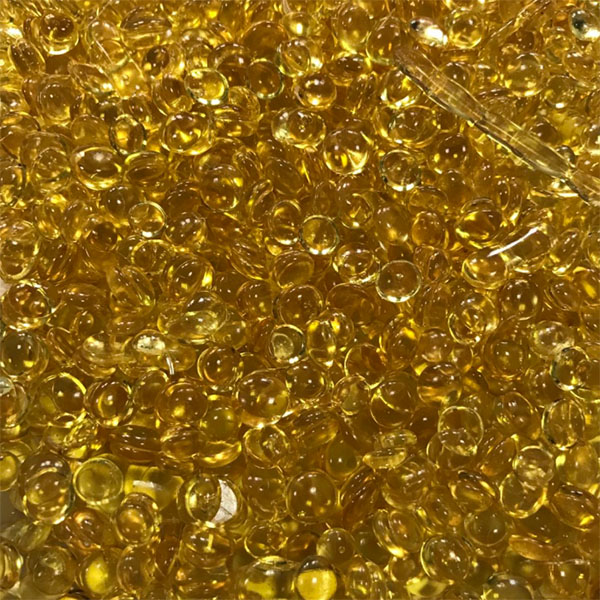
High-Performance Hot Melt Adhesive for Automated Production Lines
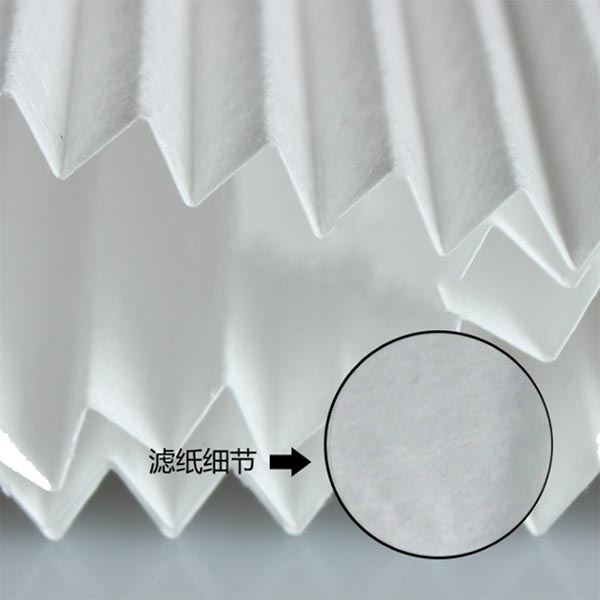

A Comprehensive Guide to Cabin Air Filters