Understanding Filter Cloth: A Global Essential for Clean and Efficient Filtration
If you haven’t given much thought to filter cloth before, you’re not alone. But this humble material plays an outsized role across industries worldwide—helping keep water clean, refining raw materials, and even saving lives in disaster zones. It acts as the silent hero in countless processes, filtering solids from liquids or gases with incredible precision.
Globally, as resource scarcity and environmental concerns rise, the demand for better filtration grows exponentially. According to the UN climate reports, managing water quality and industrial emissions is crucial to sustainable development goals. Filter cloths, the fabric that makes this possible, merit closer attention for their practicality and potential.
In this article, let’s dive in—what exactly is filter cloth, why it’s vital, and how it integrates into modern industry and humanitarian projects.
The Global Landscape: Why Filter Cloth Matters More Than Ever
The need for efficient filtration has never been more crucial. The International Organization for Standardization highlights stringent water quality standards worldwide, affecting industries from mining to pharmaceuticals and municipal water treatment.
Here’s the kicker: poor filtration leads to massive inefficiencies, environmental damage, and health risks. For example, in regions where access to clean water is a daily challenge, filter cloths enable proper sediment removal and water purification systems — efforts often spearheaded by NGOs and government agencies. Industrially, enhancing filtration means lower downtime and better product quality, which touches everything from paper production to food processing.
Mini takeaway: Filter cloth is a global linchpin tying together environmental sustainability, public health, and industrial efficiency.
What Exactly Is Filter Cloth?
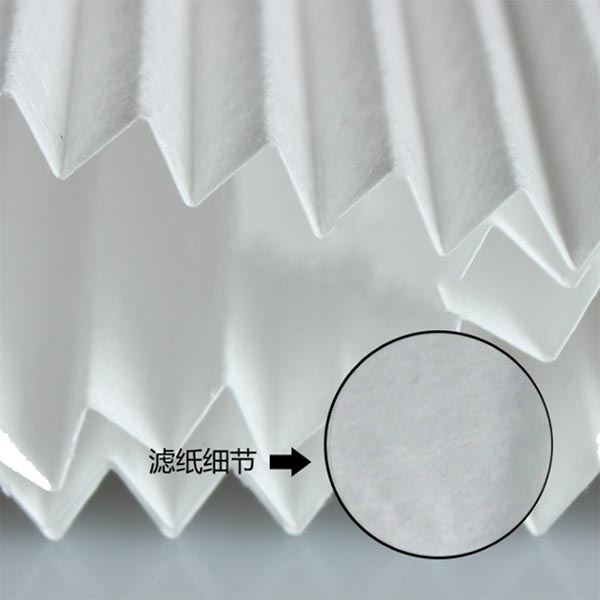
Simply put, filter cloth is a woven or nonwoven fabric designed to separate solids from liquids or gases. It’s made from various fibers—synthetic like polyester or natural like cotton — chosen for their permeability, strength, and chemical resistance.
Think of it as the ‘skin’ of any filtration system, physically capturing particles as fluids pass through. Its role transcends industries: from wastewater treatment plants to coffee production and chemical processing. Importantly, in humanitarian contexts—say, post-disaster—filter cloths help restore potable water access quickly and efficiently, addressing urgent life-sustaining needs.
Key Factors When Choosing Filter Cloth
Durability
Most applications demand cloth that withstands abrasion, chemical exposure, and repeated cleaning. Polyester blends are popular because they balance strength and flexibility. Engineers often look for a cloth that won’t degrade quickly, ensuring system longevity.
Filtration Precision
The pore size and weave pattern dictate what particles get trapped. Fine weaves catch microscopic contaminants, critical in biotech or pharmaceutical industries. Coarser cloths work well in solid-liquid separations in mining or food processing.
Cost Efficiency
Budget constraints influence material choice but shouldn’t compromise quality. It’s about finding a sweet spot between upfront costs and maintenance expenses. A cheaper cloth that fails often ends up costing far more.
Scalability and Customization
Filter cloth must flex to different machine sizes and operational volumes. Manufacturers offer tailored cuts, finishes, and reinforcements suited to specific industry needs. This kind of customization improves efficiency and reduces downtime.
Chemical and Thermal Resistance
In chemical plants or extreme temperature processes, cloth must endure harsh environments. Fluoropolymer or PTFE-coated fabrics excel here — resistant to acids, alkalis, and heat.
Environmental Impact
Growing awareness drives demand for recyclable or biodegradable filter materials. Innovations in this area benefit eco-conscious businesses and comply with tightening regulations.
Mini takeaway: Selecting the right filter cloth is a balancing act involving durability, precision, cost, and environmental considerations.
Worldwide Use Cases of Filter Cloth
From Asia’s sprawling textile mills to North America’s advanced mining sites, filter cloth is everywhere. Here are a few snapshots:
- Municipal Wastewater Treatment: Cities in Europe depend on high-grade polyester filter cloths to clean sewage water before release. This reduces pollutants drastically.
- Mining Industry: In South Africa and Australia, filter cloths remove mineral residues efficiently, enabling cleaner tailings disposal and recovery of valuable metals.
- Food & Beverage: Japanese sake breweries use fine mesh filter cloths to achieve crystal-clear clarity, a mark of care and quality.
- Disaster Relief Efforts: NGOs in sub-Saharan Africa rely on portable filtration units employing filter cloths to provide safe drinking water after floods.
Each application underscores the cloth’s adaptability and essential service to communities and economies alike.
Product Specification Table
| Specification |
Detail |
| Material |
Polyester, PTFE, Cotton blends |
| Weave Type |
Woven, Nonwoven, Twill, Plain |
| Pore Size |
5 - 150 microns (customizable) |
| Tensile Strength |
200 - 800 N/5 cm |
| Chemical Resistance |
High (PTFE coated options available) |
| Temperature Range |
-70°C to +260°C (varies by material) |
Comparing Leading Filter Cloth Suppliers
| Supplier |
Product Range |
Customization Options |
Certifications |
Lead Time |
| MFilter Solutions |
Wide (polyester, PTFE, cotton blends) |
Custom pore size, coating, shapes |
ISO 9001, SGS |
2 - 4 weeks |
| Global Filters Inc. |
Focus on industrial grades |
Limited custom options |
CE Certified |
4 - 6 weeks |
| EcoFabric Filters |
Eco-friendly and biodegradable |
Standard sizes only |
ISO 14001 |
3 - 5 weeks |
Advantages and Long-Term Value of Using Quality Filter Cloth
Choosing the right filter cloth pays off in many ways—starting with cost savings. Durable filter fabrics reduce the frequency of replacements, cutting downtime that could otherwise cost thousands in lost production. In environmental terms, better filtration means less pollution discharged into waterways.
Moreover, when organizations choose sustainable or recycled fiber options, the environmental impact shrinks further — aligning with global green initiatives and corporate social responsibility goals.
On a human level, especially in humanitarian projects, reliable filter cloth ensures access to safe water, protecting vulnerable communities from disease outbreaks. There’s a dignity and trust built there that no amount of money can buy.
What’s Next? Trends and Innovations in Filter Cloth Technology
Several fascinating developments are on the horizon:
- Nanofiber Coatings: Enhancing filtration accuracy to trap even smaller contaminants while maintaining flow rates.
- Smart Filters: Integration of embedded sensors to monitor clogging and filter health remotely.
- Eco-Friendly Materials: New bio-based fibers promising biodegradability without sacrificing strength.
- Automated Maintenance Systems: Robotics to clean or replace filter cloths without halting production.
These innovations hint at a future where efficiency, sustainability, and intelligence in filtration become intertwined.
Challenges in Filter Cloth Use and How They’re Being Tackled
Despite its virtues, filter cloth faces some issues:
- Clogging and Fouling: Fine particles can block pores rapidly, reducing efficacy. Experts counter this with advanced cleaning cycles and anti-fouling coatings.
- Material Limitations: Some synthetic fabrics degrade under extreme chemicals. Research into hybrid fibers is promising.
- Cost Versus Quality: Budget constraints often push buyers toward lower-quality options, risking failures. Transparent total cost of ownership calculations help justify upfront investments.
In real practice, partnering with knowledgeable suppliers who understand your operational needs makes a huge difference.
FAQ: Common Questions About Filter Cloth
- What types of filter cloth are best for harsh chemical environments?
- Materials like PTFE-coated polyester or fluoropolymer blends offer excellent chemical resistance and high durability, suitable for aggressive industrial processes.
- How often should filter cloth be replaced in wastewater treatment?
- Replacement frequency depends on factors like contamination load and cleaning efficacy but typically ranges from 6 months to 2 years. Routine inspections help optimize timing.
- Can filter cloth be customized for unique industrial setups?
- Absolutely. Many manufacturers specialize in tailored cuts, pore sizes, and coatings to match specific machinery and filtration requirements.
- Are eco-friendly filter cloth options as effective as synthetic ones?
- Biodegradable options are improving steadily. While some may lack the chemical resistance of synthetics, they perform well in less extreme applications and support sustainability goals.
- What maintenance is recommended to extend filter cloth life?
- Regular cleaning protocols, avoiding harsh mechanical stress, and following manufacturer guidelines maximize service life and maintain filtration performance.
In Conclusion: A Filter Cloth for the Future
Filter cloth might seem like a simple component, but it quietly supports billions in industrial production, environmental protection, and humanitarian aid. Investing time and care in choosing the right filter cloth today can unlock improved efficiency, sustainability, and safety tomorrow.
Curious to explore top-notch, customized filter cloth solutions? Visit our website at filter cloth for detailed info and expert guidance.
References:
- United Nations — Climate Science Key Findings
- ISO 25000 Series — Software and system quality requirements
- Wikipedia: Filtration