Understanding Filter Plastic Mould: Why It Matters Globally
If you’ve ever paused to think about the tiny details behind the products shaping our daily lives, filter plastic mould is probably not the first thing that comes to mind. Yet, these precise moulds are quietly revolutionizing industries worldwide — from water purification systems and automotive filters to medical devices. They’re the unsung heroes helping manufacture high-quality plastic filter components on a massive scale.
Globally, as environmental awareness pushes for cleaner air and water, the demands for efficient filtration solutions are skyrocketing. According to the United Nations, more than 2 billion people still lack access to safely managed drinking water.[1] This makes the efficient production of filters, often crafted via filter plastic mould technology, a rather critical piece in the global puzzle.
Knowing how these moulds work and their place in the supply chain unlocks a better understanding of everything from sustainability to economic viability in manufacturing.
An Industry in Focus: The Global Context of Filter Plastic Mould
Filter plastic mould manufacturing is not just a technical niche but a vital cog in the machinery of industries such as automotive, pharmaceuticals, environmental engineering, and consumer goods. ISO data highlights the increasing push towards standardized plastic injection moulding techniques that improve part precision and durability.[2]
The challenge many manufacturers grapple with is balancing cost efficiency with high-precision output — especially as the global demand for sophisticated filtration systems grows. Not to mention, the pressure to reduce plastic waste and switch to recyclable or biodegradable plastics adds a new layer of complexity to mould design and production.
So, you see, filter plastic moulds are not just tools — they are frontline enablers in the race towards sustainable, cost-effective filter solutions.
Filter Plastic Mould: What Is It Exactly?
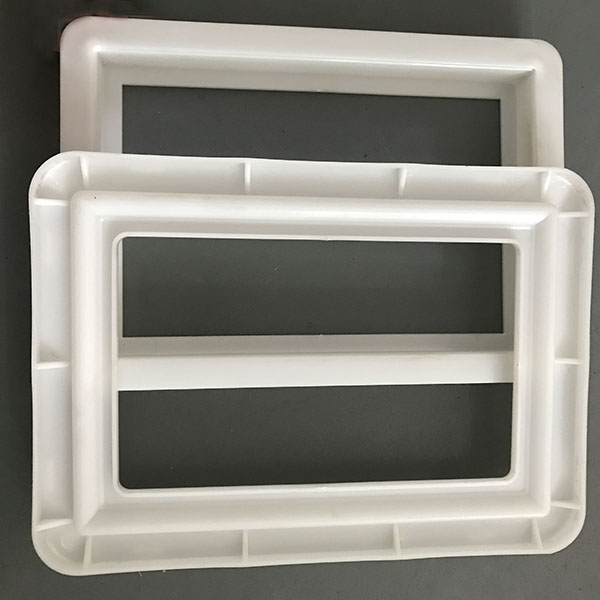
Put simply, a filter plastic mould is a specially designed injection mould used to produce plastic components meant for filtration purposes. Think of the many filters in your car's air conditioning, water filters in your home, or the masks used in hospitals — all require tiny, complex, durable parts created by these moulds.
They are crafted with precision, often from hardened steel or aluminum, shaped to form exact filter shapes and structures. This method guarantees consistency, tight tolerances, and high-volume production — essential for modern industries reliant on repeatability and quality assurance.
From a humanitarian perspective, these moulds aid in mass-producing filtration devices that improve public health, especially in underserved regions. So, their importance isn’t just industrial but deeply social.
Mini Takeaway:
Filter plastic moulds are a foundational manufacturing technique enabling efficient production of countless filtration devices globally, bridging industry needs and social impacts.
Core Aspects of Filter Plastic Mould Production
1. Precision Engineering
The heart of a filter plastic mould’s value lies in its accuracy. Filters often require micro-sized pores and intricate patterns, making precision non-negotiable. Achieving this usually involves CNC machining combined with advanced CAD/CAM software ensuring every mould cavity meets exact specs.
2. Durability
Given the repetitive nature of injection moulding, these moulds must withstand thousands if not millions of cycles. Material choice for mould construction is key — hardened steel offers longevity but costs more upfront, while aluminum moulds are lighter and cheaper but wear faster. Finding the sweet spot depends on production scale and product complexity.
3. Scalability
A great filter plastic mould allows manufacturers to scale production smoothly — from prototype batches to industrial volumes. Multi-cavity moulds, for example, replicate the same part several times per injection, slashing cycle time and costs.
4. Cost Efficiency
Smart mould design can reduce wasted plastic (known as sprues or runners), speed cycle times, and minimize defects — all driving cost down. Some factories also innovate with conformal cooling channels in moulds to maintain temperature balance and improve cycle speed.
5. Material Compatibility
The mould must be designed considering the plastic resin to be used (e.g., polypropylene, ABS, or specialized polymers). Some filtration plastics require UV resistance or FDA approvals, influencing mould design parameters.
6. Ease of Maintenance
Practical moulds enable easy cleaning, repair, and upgrades. This reduces downtime and improves overall production reliability in the long run.
Mini Takeaway:
Filter plastic moulds demand a smart balance of precision, durability, and cost-effective engineering to thrive in demanding industrial environments.
Global Applications and Real-World Cases
You’d be surprised where these moulded filters pop up.
- Environmental Engineering: In Southeast Asia, large-scale water purification plants rely heavily on multi-layered filters made with precision plastic moulds to remove impurities and pathogens.
- Automotive Industry: In Germany and Japan, millions of air and oil filters are produced yearly using custom plastic moulds ensuring tight mechanical tolerances for engine longevity.
- Healthcare Sector: Amid the COVID-19 pandemic, hospitals in North America and Europe rapidly used plastic moulds to produce masks and respirator filters en masse.
- Post-Disaster Relief: NGOs deploy rapidly assembled water filtration kits in Africa, relying on the modular filter parts produced by these moulds to ensure clean drinking water almost immediately.
Filter Plastic Mould Specifications — Sample Table
| Specification |
Typical Value |
Notes |
| Material | Hardened Steel (P20 or H13) | Durability for long production runs |
| Number of Cavities | 1 to 8 | Depends on volume demand |
| Cycle Time | 15 - 45 seconds | Varies with part complexity |
| Tolerance | ±0.02mm | Ensures filtration precision |
| Cooling System | Conformal Channels | Enhances cycle speed and quality |
Comparing Leading Filter Plastic Mould Vendors
| Vendor |
Materials Supported |
Average Lead Time |
Custom Options |
Price Range |
| MouldTech Solutions | Steel, Aluminum | 6-8 Weeks | Full customization, multi-cavity | $$$ |
| PrecisionMould Corp | Steel only | 4-6 Weeks | Limited customization | $$ |
| EcoMould Systems | Aluminum, Specialty Green Plastics | 8-10 Weeks | Eco-friendly designs | $$$ |
Advantages & Long-Term Value of Filter Plastic Mould
Why bother diving deep into the complexities of filter plastic mould? Because it directly affects more than just your supply chain cost — it shapes product reliability, environmental impact, and even end-user safety. Operating with high-quality moulds reduces product defects, cuts waste, and improves system longevity.
In real terms, manufacturers experience fewer recalls and warranty issues. Consumers get safer, more consistent products. And the environment benefits from improved material utilization and the rise of recyclable plastics molded with sustainable methods.
Future Trends and Innovations in Filter Plastic Mould
What’s on the horizon for filter plastic mould? Cutting-edge technologies like additive manufacturing (3D printing) start to complement traditional mould techniques for prototyping or producing complex geometries. AI-driven mould design tools optimize cooling and filling paths for shorter cycle times.
Material innovations mean bio-based and compostable plastics could soon replace petroleum-based ones in moulding processes, an important milestone for reducing plastic pollution.
Meanwhile, digitization and IoT integration enable real-time mould monitoring — a game-changer for predictive maintenance and reducing downtime.
Challenges and Practical Solutions
Of course, no tech is without its hurdles. Filter plastic moulds can be expensive upfront to design and fabricate, especially with high-precision steel. Also, shifting to sustainable materials sometimes requires redesigning moulds to deal with different flow characteristics.
Many vendors overcome this by offering modular moulds or hybrid materials, plus investing in early-stage simulation to minimize costly post-production fixes. Collaborating closely with filter plastic mould makers who understand these nuances is vital.
FAQ: Your Quick Guide to Filter Plastic Mould
- What types of plastics are best for filter plastic moulds?
- Generally, polypropylene, ABS, and nylon are popular due to their durability and chemical resistance. For food or medical applications, FDA-approved resins are essential.
- How long does a typical filter mould last?
- Depending on material and usage, steel moulds can last for hundreds of thousands of cycles, sometimes up to several million, while aluminum moulds last less but cost less upfront.
- Can filter plastic moulds be customized for small batches?
- Yes, though costs per unit might be higher, many manufacturers now specialize in low-volume, highly customized mould runs using rapid tooling or 3D printed inserts.
- Is producing filters via plastic moulding eco-friendly?
- It can be, especially when combined with recyclable plastics and efficient mould designs that minimize waste. New bio-polymers also improve sustainability.
Wrapping It Up: The Last Word on Filter Plastic Mould
Filter plastic moulds sit at an intriguing crossroads — where innovation meets necessity, cost meets quality, and sustainability meets mass production. As industries evolve and the world demands cleaner air and water, these moulds will only gain importance.
If you’re considering diving into this world, whether as a manufacturer, NGO, or industry insider, gaining a solid understanding of filter plastic mould technology will help you navigate this complex landscape with confidence.
For expert insights and reliable solutions, feel free to explore further at filter plastic mould.
Quick Takeaway:
Trusted, precise filter plastic moulds are more than just tools; they’re enablers of health, sustainability, and robust industrial growth worldwide.
References:
1. United Nations – Water and Sustainable Development Goal, un.org
2. ISO Standards on Plastic Moulding, iso.org
3. World Bank Data on Manufacturing Sector, worldbank.org