Hot Melt Glue: The Unsung Hero of Modern Bonding Solutions
If you’ve ever stopped to think about how everyday things stick together, hot melt glue is probably behind much of that magic. It’s everywhere — from packaging factories in Asia to construction sites in Europe, even in the rapid assembly of emergency shelters after natural disasters. But why does hot melt glue deserve so much attention globally? Well, it’s one of the most versatile, cost-effective, and eco-conscious adhesives out there. Understanding its role can save industries time, money, and frankly, a lot of headaches down the road.
In the world of adhesives, hot melt glue—or "hot glue" for short—is more than just a handy craft supply. It’s the backbone of countless industrial processes worldwide, helping products hold together where other adhesives simply can’t keep up. And as sustainability and automation become buzzwords in every sector, hot melt glue adapts, proving it’s no one-trick pony.
Why Hot Melt Glue Matters on a Global Stage
Over the past decade, the industrial adhesive market has grown steadily, driven in large part by the versatility and efficiency of hot melt glue. According to ISO standards and reports from the World Bank, the packaging and automotive sectors – which use adhesives extensively – represent over 40% of global adhesive consumption. Hot melt glue is a star player here because of its fast setting times and strong bonding properties.
But there’s a bigger angle: regions facing rapid urbanization and infrastructure development rely heavily on hot melt glue technologies for quicker, cost-efficient solutions. In humanitarian contexts, such as post-disaster relief, the ability to rapidly assemble temporary shelters and distribute supplies with reliable adhesive tools is critical. Conventional glues don’t always cut it—they either bond too slowly under varied conditions or involve hazardous chemicals.
So, hot melt glue is not just an industrial choice; it’s often a life-saving one.
Defining Hot Melt Glue: What Is It and Why It Works
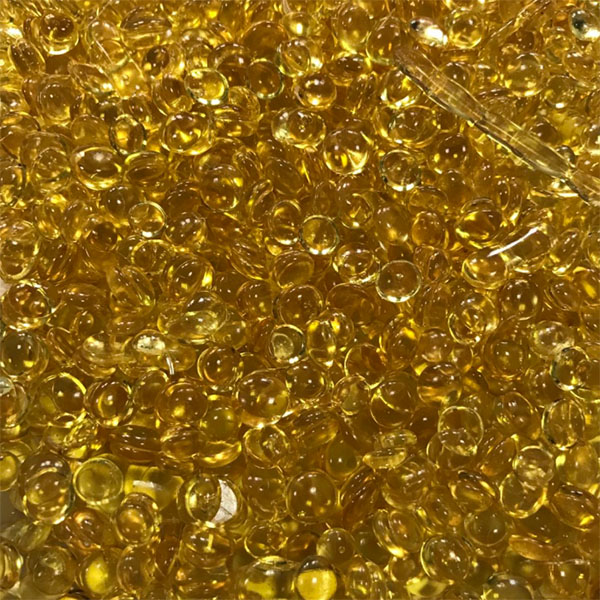
Simply put, hot melt glue is a thermoplastic adhesive applied in molten form. Upon cooling, it solidifies quickly to form a strong bond. Unlike solvent-based glues, it contains no water or solvents, which makes it environmentally friendlier and less prone to VOC emissions.
Modern hot melt adhesives are made from EVA (ethylene-vinyl acetate), polyolefins, or polyurethane bases, tailored for everything from packaging cartons to delicate electronics assembly. The connection to industry can’t be overstated: these adhesives balance strength and flexibility better than many traditional options, making them suitable for everything from sealing corrugated boxes to bonding components inside medical devices.
Mini takeaway:
- Hot melt glue melts and bonds quickly, no drying time required.
- Its solvent-free nature reduces environmental and health risks.
Core Components and Key Factors Driving Hot Melt Glue’s Success
1. Durability
One of the reasons hot melt glue is trusted globally is its impressive durability. When fully set, it resists water, temperature changes, and most chemicals. This makes it ideal for products that need to last through shipping or harsh use.
2. Scalability
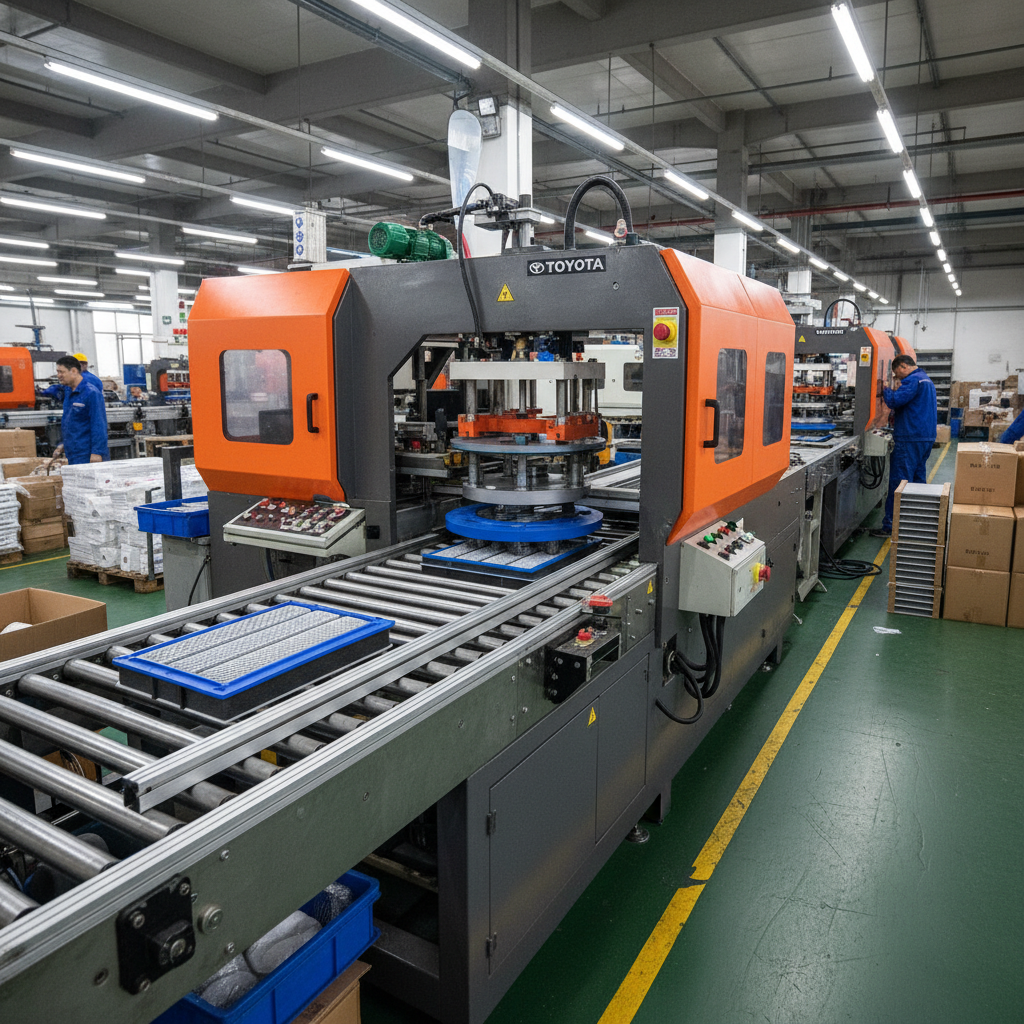
Manufacturers love how fast hot melt glue sets — in seconds, not hours. This speed means production lines keep moving, which is a big deal in fast-paced industries like electronics or automotive manufacturing.
3. Cost Efficiency
Unlike epoxies or liquid adhesives, hot melt glue has a low cost per bond and minimal waste—unused glue can often be remelted. This adds up to significant savings at scale.
4. Versatility
The range of formulations means hot melt glue works on materials as varied as wood, metal, textile, and plastic, which in practice means fewer adhesive types cluttering up a factory floor.
5. Eco-Friendliness
Some modern hot melt adhesives incorporate bio-based polymers or recycled materials, supporting industry shifts towards greener manufacturing.
Mini takeaway:
- Fast, durable, versatile, and budget-friendly—a rare combo in adhesives.
Global Applications: Real-World Use Cases for Hot Melt Glue
From electronics assembly lines in South Korea to packaging warehouses in Germany, hot melt glue is everywhere. Oddly enough, one of its most rapid adoption areas is in humanitarian aid. NGOs operating in disaster zones frequently rely on hot melt glue to quickly bond materials for shelters, medical kits, and even vehicle repairs.
In industrial zones of Africa and South America, where supply chains are often unpredictable, hot melt glue bonds parts without the need for complex equipment or long curing times—a huge advantage in remote settings. Packaging of food, pharmaceuticals, and consumer goods also benefits immensely from the consistent, moisture-resistant seals hot melt glue can provide.
| Specification |
Typical Range |
Notes |
| Bond Set Time |
8–30 seconds |
Varies by formulation and substrate |
| Application Temperature |
120–200 °C (248–392 °F) |
Critical for viscosity control |
| Shelf Life |
12–24 months |
Sealed packaging recommended |
| Shelf Life |
Up to 10 MPa shear strength |
Depends on materials bonded |
| Environmental Resistance |
Good to Excellent (water, chemicals) |
Formulation dependent |
Advantages and Lasting Benefits You Can Count On
Using hot melt glue isn’t just about sticking things together—it’s about reliability, safety, and innovation. From a financial perspective, companies reduce downtime and material waste, increasing their bottom line. Socially, hot melt glue supports projects that enable shelter and medical care, preserving dignity in crisis scenarios.
The speed and reliability translate emotionally too: workers trust their products won’t fail, consumers enjoy higher-quality packaging, and innovation cycles happen faster. Plus, with increasing eco-consciousness, manufacturers developing green hot melt adhesive formulas add a sustainability edge that customers appreciate.
Gazing Forward: Future Trends in Hot Melt Glue Technology
Looking ahead, hot melt glue is not standing still. We’re seeing advances like low-temperature, energy-saving formulations that reduce manufacturing footprints, and bio-polymer blends that enhance biodegradability without losing strength.
Digitally controlled application systems are making bonding more precise and repeatable, essential in electronics and automotive sectors where tolerances are razor-thin. Automation paired with smart sensors monitors glue temperature and viscosity in real time — an exciting leap for quality control.
Challenges and How Experts Are Navigating Them
Of course, hot melt glue has its quirks. It can be sensitive to storage conditions, with temperature swings potentially degrading quality. Also, older glue types might not bond well with certain plastics without primers or surface treatments.
But industry experts continually innovate: better packaging to preserve glue stability, hybrid adhesives combining hot melt with reactive chemistries, or even surface activation methods help overcome these issues. Many engineers I know swear by adapting application techniques for each use-case instead of defaulting to a one-size-fits-all approach.
| Vendor |
Product Range |
Sustainability Focus |
Market Presence |
| AdheTech |
Wide (packaging, woodworking, textile) |
High (bio-based formulations) |
Global, especially Europe & Asia |
| BondMelt Solutions |
Medium (electronics-focused) |
Medium |
North America, expanding |
| EcoGlue Corp |
Specialized (green adhesives) |
Very High |
Select markets (Europe focus) |
FAQ: Practical Questions About Hot Melt Glue
Q1: What types of materials can hot melt glue effectively bond?
A1: Hot melt glue works well on many substrates including paper, cardboard, plastics, wood, and some metals—but adhesion depends on surface texture and formulation. For plastics like polyethylene or polypropylene, surface treatment or special formulations may be necessary.
Q2: How fast does hot melt glue set compared to other adhesives?
A2: Hot melt adhesive typically sets in 8 to 30 seconds, significantly faster than many epoxy or solvent-based glues which can take minutes to hours to cure. This allows high-speed assembly and packaging lines.
Q3: Can hot melt glue be used in outdoor applications?
A3: Yes, but it depends on the adhesive formulation. Some hot melt glues offer excellent resistance to moisture, UV light, and temperature changes, making them suitable for exterior or harsh environment use.
Q4: Is hot melt glue environmentally friendly?
A4: Hot melt glue is solvent-free, reducing VOC emissions. Advances in bio-based and recyclable formula options are increasing its sustainability, aligning with global green manufacturing goals.
Q5: How do I ensure proper storage of hot melt glue?
A5: Store hot melt adhesives in a cool, dry place away from direct sunlight to maintain performance. Ideal storage temperature ranges from 15°C to 25°C (59°F to 77°F). Sealed packaging helps preserve shelf life.
Final Thoughts
Hot melt glue is quietly revolutionizing industries worldwide. Its blend of speed, reliability, and environmental gains make it an adhesive worth paying attention to—whether you’re in packaging, manufacturing, or responding to urgent humanitarian needs. Curious to see how its latest formulas and automated application systems can help your projects? Visit our website at https://www.mfiltersolution.com to learn more and explore real-world solutions.
References
- Hot-melt adhesive - Wikipedia
- ISO Adhesive Standards
- World Bank Global Economic Prospects