Understanding Pleated Filter Material: A Key to Cleaner, Safer Air and Water Worldwide
Pleated filter material might sound like something tucked away in an industrial corner, but it’s actually a powerhouse innovation shaping global health and environmental safety. From the air you breathe in crowded city streets to the water filtering through disaster relief camps, this material plays a critical role. Why does it matter? Because clean air and water are foundational to public health, economic stability, and even dignity—basic needs everywhere. Understanding the nuances of pleated filter material unlocks benefits that ripple far beyond factories or labs.
Global Context: Why Pleated Filter Material is More Relevant Than Ever
Around the world, pollution levels continue to challenge urban and rural communities alike. According to the World Health Organization, air pollution causes millions of premature deaths annually, sparking urgent calls for better filtration technologies. Meanwhile, the rising frequency of natural disasters—increasingly linked to climate change—means more people depend on filtered water for survival. Pleated filter material has emerged as a practical, cost-effective solution addressing these diverse issues. It’s not just industry talk—it's an essential part of public health strategies and environmental regulations globally.
What is Pleated Filter Material?
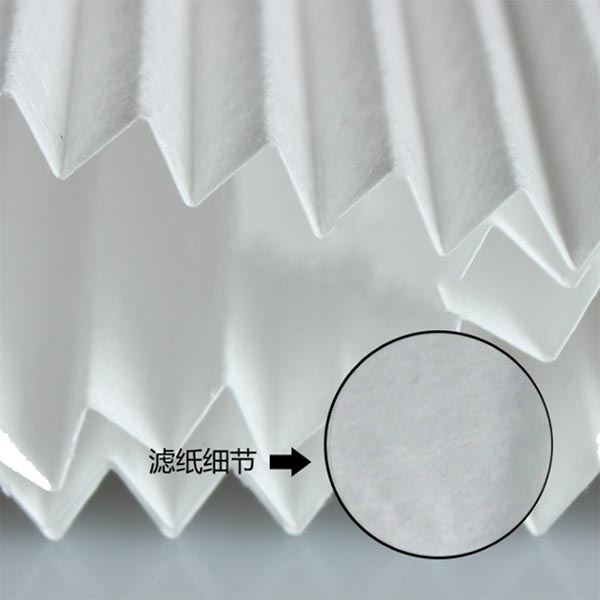
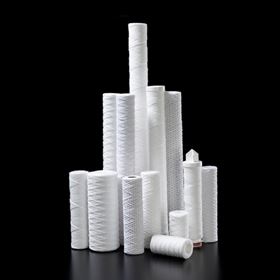
Simply put, pleated filter material is a specially designed sheet or fabric that’s folded (pleated) to increase its surface area in a compact form. This design enhances filtration efficiency by trapping more particles, from dust and pollen to tiny pathogens. The material itself can be made from synthetic fibers, cellulose blends, or microglass, each chosen depending on the needs—whether it’s HVAC systems in skyscrapers or portable water filters in aid camps. What’s really neat is how this simple fold-and-material combo dramatically improves both lifespan and performance in various filters.
Key Factors That Define Effective Pleated Filter Material
1. Durability
Durability matters because filters often operate under tough conditions—humidity, temperature swings, airborne chemicals. A pleated filter that withstands these factors without degrading keeps filtration steady longer, reducing replacement frequency and waste.
2. Scalability
Whether a tiny air purifier or an industrial water treatment setup, the pleated filter’s ability to be scaled up or down is crucial. Manufacturers can tweak pleat depth, density, and material thickness to match different applications without losing efficiency.
3. Cost Efficiency
It’s easy to assume advanced filtration means expensive, but with pleated filter material, the increased surface area means filters last longer and perform better per unit cost. Plus, reduced energy consumption in HVAC systems—due to lower airflow resistance—adds to savings.
4. Environmental Impact
Oddly enough, choosing the right pleated material can influence ecological footprints. Some filters use biodegradable fibers or recycled materials, helping industries reduce waste and align with green standards like ISO 14001.
5. Customizability
Different contamination scenarios require different filter profiles. Custom pleat designs adapt to specific particle sizes or chemical properties involved—important for complex industrial uses or emergency response kits alike.
Product Specifications: Typical Pleated Filter Material
| Specification |
Details |
| Material Types |
Synthetic fibers, Microglass, Cellulose blends |
| Pleat Density |
6-15 pleats per inch |
| Efficiency Rating |
MERV 8 to MERV 16 (industry standards) |
| Max Operating Temp |
-40°C to +80°C |
| Lifespan |
6 to 12 months depending on application |
Mini takeaway: Pleated filter material combines clever design and diverse fiber options to deliver efficiency, durability, and adapt to a range of industrial and consumer needs.
Global Applications & Use Cases
Pleated filter materials are everywhere, often in ways we don't notice. In heavily polluted urban centers—think Beijing or Mexico City—they’re vital in HVAC systems to improve indoor air quality. In fragile humanitarian contexts, filtering contaminated water with portable pleated filters helps emergency responders maintain safe hydration sources. Industrial plants in Europe rely on these filters to limit emissions per stringent EU regulations, while remote mining operations in Australia use them to protect worker health amidst dust hazards.
For example, after the 2010 Haiti earthquake, aid agencies deployed water filtration units using pleated filters that balanced ruggedness with high flow capacity, providing clean water to thousands under challenging conditions. Without this technology, disease outbreaks would have compounded an already dire situation.
Vendor Comparison Table: Leading Pleated Filter Material Providers
| Vendor |
Material Options |
Customization |
Typical Industries |
Environmental Certification |
| FilterCo |
Synthetic, Microglass |
High - custom pleat depth/density |
HVAC, Industrial |
ISO 14001 |
| PureFlow |
Cellulose blend, Recycled fibers |
Medium - standard configurations |
Water Filtration, NGOs |
Green Seal Certified |
| EcoFilters |
Biodegradable fibers |
Low - predefined sizes only |
Consumer appliances, Small-scale filters |
B Corp Certified |
Mini takeaway: Choosing the right pleated filter vendor depends on your application, customization needs, and sustainability goals.
Advantages and Long-Term Value of Pleated Filter Materials
Going beyond the technical specs, pleated filter material offers real emotional and social returns. Imagine families in polluted cities breathing cleaner air or relief workers confident their water filters won’t fail under pressure. These filters reduce energy use in HVAC systems (saving money and carbon emissions), extend service intervals (saving labor and waste), and generally enhance safety and dignity. It feels like an understatement, but better filters really can mean better lives.
Future Trends & Innovations
So where is pleated filter technology headed? Well, there’s a lot of buzz around nano-fibers embedded in traditional materials to capture ultrafine particles and viruses. Digitally enabled filters that monitor clogging and adjust airflow dynamically are becoming a reality too. Sustainability remains a big focus, with push toward fully recyclable pleated media and reduced chemical treatments, all in line with growing global environmental policy demands (think ISO 14001 standards and beyond). It’s an exciting time for something often seen as “just a filter.”
Challenges and How Experts Are Tackling Them
Of course, no solution is without hurdles. Pleated filters sometimes face clogging, cost-pressure in low-income regions, and limited effectiveness against certain chemical pollutants. Manufacturers and engineers confront these by innovating with anti-microbial coatings, hybrid materials combining pleated media with activated carbon, and modular designs for easy replacement. Partnerships with NGOs ensure that design tweaks also meet field realities—like durability under jostling transport or simplicity in assembly.
FAQ: Frequently Asked Questions About Pleated Filter Material
- Q: How does pleated filter material compare to flat filter media?
A: Pleated filter material offers a larger surface area within the same size, improving filtration efficiency and lifespan by trapping more particles while maintaining good airflow.
- Q: Can pleated filter materials be recycled or are they single-use?
A: It depends on the material type. Some modern pleated materials utilize recyclable or biodegradable fibers, but many still require proper disposal due to contaminant buildup.
- Q: What industries benefit most from pleated filter materials?
A: HVAC, industrial air pollution control, water purification, and emergency response sectors are major beneficiaries due to the superior filtration performance and adaptability.
- Q: Are pleated filters costly to maintain in the long term?
A: Actually, their extended lifespan and energy savings often offset initial costs, making them cost-effective over time.
- Q: How can I source pleated filter material for custom applications?
A: Contact specialized suppliers who offer customization services and certifications aligned with your industry needs; many provide consultation on material choice and pleat design.
Conclusion: Cleaner Air and Water Through Innovation
The long-term benefits of pleated filter material are both tangible and transformative—improving health, reducing environmental impact, and supporting resilient infrastructure. If you want to dive deeper into high-quality pleated filter materials, their applications, or available custom solutions, feel free to visit us at pleated filter material. Because behind every breath and drop of clean water is a material quietly working to make life better.
It’s often said that the best innovations are the simplest. Pleated filter materials feel like one of those—humble, yet proving their worth around the globe every day.
References
- WHO – Ambient (Outdoor) Air Quality and Health
- ISO 14001 Environmental Management
- Wikipedia – Filter (Chemistry)