Understanding Pocket Filter Media: Why It Matters Globally
When we talk about improving air quality and protecting industrial environments, pocket filter media routinely comes up as a key technology. But why should anyone outside HVAC or manufacturing circles care? Well, the truth is, these specialized filtration materials quietly impact public health, energy efficiency, and sustainability efforts worldwide. Odds are you’ve never seen one up close, but pocket filter media plays a vital role in keeping indoor air clean — from hospitals in Europe to factories in Asia. Grasping its function and benefits helps us appreciate how technology converges with global environmental challenges.
Global Context and Industry Relevance
Air pollution is one of the world’s deadliest environmental risks. According to the World Health Organization, ambient air pollution causes an estimated 4.2 million premature deaths annually. Much of this pollution infiltrates indoor spaces, which is why efficient filtration systems—like those based on pocket filter media—are crucial. Moreover, industries increasingly face stricter regulations from bodies such as ISO 16890, which standardizes air filter performance worldwide. Challenged by growing environmental concerns and energy costs, businesses look for filter solutions that not only trap harmful particles but also optimize airflow and durability.
In this light, pocket filter media represents a practical, scalable answer to global air quality concerns, combining technology and material science. It’s not merely a niche industrial product but a foundational element of modern air filtration systems.
What is Pocket Filter Media?
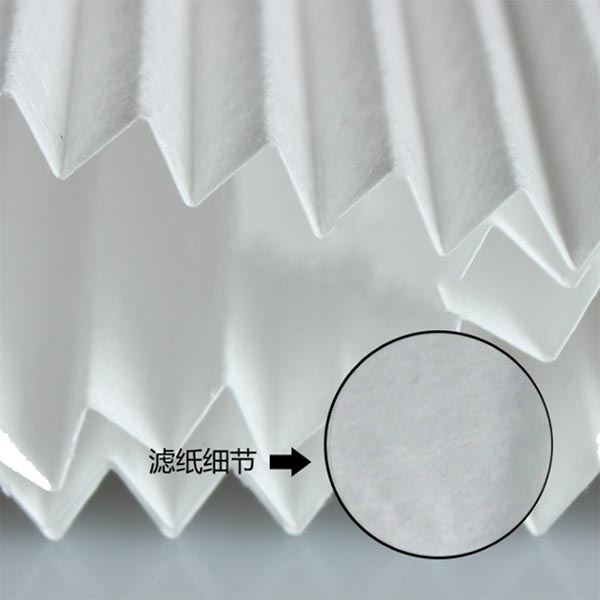
Simply put, pocket filter media refers to the flat or pleated sheets of non-woven fiber materials used inside pocket filters to capture particulate contaminants from the air. Picture a thick, felt-like material, sometimes layered or treated, designed specifically to capture dust, pollen, smoke, and other microscopic pollutants. It’s the heart of pocket filters, which feature multiple pockets (or "bags") to maximize surface area without ballooning system size.
These materials are engineered meticulously for industries needing reliable, long-lasting filtration—from commercial buildings to pharmaceutical cleanrooms. The connection to humanitarian needs is subtle but important: by improving indoor air quality, pocket filter media safeguards vulnerable populations such as hospital patients, office workers, and communities near industrial zones.
Key Attributes of Pocket Filter Media
1. Efficiency
Efficiency is paramount—pocket filter media must trap a high percentage of particles ranging from a few microns to larger debris. Their design allows impressive filtration rates (MERV ratings 8–13 typically) without choking airflow.
2. Durability
Filters often operate for months in harsh environments, so media durability matters. Resistant fibers can withstand humidity, temperature swings, and chemical exposure with minimal performance loss.
3. Energy Cost Savings
Low air resistance in filter media reduces the energy consumption of ventilation systems, which can lead to cost savings and lower carbon emissions—important for sustainable facility management.
4. Customizability
Because applications vary, manufacturers often customize fiber compositions, layering, and bonding methods to balance filtration efficiency with pressure drop. This flexibility is invaluable for meeting diverse industrial needs.
5. Compliance and Certifications
Many forms of pocket filter media comply with ISO standards and undergo rigorous testing to guarantee reliability—crucial for sectors with strict hygiene or environmental regulations.
Typical Product Specifications
| Specification |
Typical Range |
| Media Type |
Synthetic Non-Woven Fibers |
| Particle Filtration Efficiency |
50% – 95% (MERV 8–13) |
| Operating Temperature |
-10°C to 70°C |
| Moisture Resistance |
High (Resin-treated options available) |
| Lifespan |
3–6 months in typical commercial use |
Real-World Applications of Pocket Filter Media
Pocket filter media finds extensive use across multiple industries worldwide:
- Healthcare Facilities: Critical for maintaining sterile environments, protecting patients from airborne pathogens.
- Commercial Buildings: Offices, shopping malls, and airports rely on them to enhance indoor air quality and occupant comfort.
- Industrial Manufacturing: Factories utilize pocket filter media to capture dust and fumes, improving worker safety and equipment longevity.
- Data Centers & Electronics: Clean air prolongs hardware life and ensures continuous operation.
- Emergency and Disaster Relief: In post-disaster zones, portable HVAC systems equipped with such filters help establish healthier temporary shelters.
For instance, in Southeast Asia’s rapidly industrializing hubs, where particulate pollution is a growing concern, upgraded pocket filter media installations have led to measurable improvements in indoor air metrics.
Vendor Comparison: Pocket Filter Media Providers
| Vendor |
Material Quality |
Customization |
Sustainability |
Lead Time |
| FilterPro Inc. |
High-grade synthetic fibers |
Extensive customization |
ISO 14001 certified |
4 weeks |
| CleanAir Solutions |
Mid-range fibers with resin treatment |
Moderate |
Focus on recyclability |
3 weeks |
| EcoFilters |
Biodegradable fiber composites |
Limited |
Highly sustainable |
5 weeks |
Advantages and Lasting Value
Choosing the right pocket filter media isn’t just a one-off cost decision. It’s an investment in healthier indoor environments, greater energy efficiency, and regulatory compliance.
- Cost Efficiency: Longer-lasting media reduces replacement frequency and labor costs.
- Environmental Impact: Energy-efficient air flow lowers building carbon footprints.
- Health Benefits: Cleaner air means fewer respiratory issues, improving workplace well-being.
- Trust and Innovation: Leading media brands foster confidence with tested, certified products.
It’s oddly fulfilling to know that something so understated makes offices feel more breathable or hospitals safer for patients. In a world where indoor pollutant sources are growing, these filters quietly uphold human dignity.
Emerging Trends & Innovations
The future of pocket filter media is fascinating. We’re seeing advances such as:
- Nanofiber coatings that enhance particle capture without raising airflow resistance.
- Bio-based and biodegradable materials to reduce landfill waste after disposal.
- Smart filtering systems integrated with IoT sensors for real-time performance tracking.
- Hybrid media that combine filtration with antimicrobial properties, crucial in pandemic preparedness.
As energy codes tighten and sustainability becomes a purchasing imperative, the shift is toward filters that are smarter, greener, and more efficient. It feels like we are just scratching the surface here...
Challenges and Practical Solutions
Despite their merits, pocket filter media face challenges such as:
- Pressure drop buildup over time reducing ventilation efficiency.
- Disposal concerns in environments without robust recycling.
- Overly generic solutions that fail in highly specialized industrial contexts.
Manufacturers tackle these by improving media layering, developing modular designs for easy replacement, and promoting recycling programs. As someone who’s seen filter swaps in industrial settings, modularity is key — it just makes life easier.
FAQ: Pocket Filter Media
- Q1: How often should pocket filter media be replaced in commercial buildings?
- A1: Typically, every 3 to 6 months depending on pollution levels and usage intensity. Monitoring pressure drop can guide optimal replacement timing, avoiding unnecessary early swaps.
- Q2: Are pocket filters suitable for high-humidity environments?
- A2: Yes, many pocket filter media options are treated or made with synthetic fibers resistant to moisture, maintaining performance even in humid conditions.
- Q3: Can pocket filter media help reduce energy costs?
- A3: Absolutely. By minimizing airflow resistance (pressure drop), efficient media reduces the load on HVAC fans, which means lower electricity bills and carbon footprint.
- Q4: What certifications should I look for when purchasing pocket filter media?
- A4: ISO 16890 compliance is a widely recognized global standard. Some filters also adhere to EN 779 or specific regional guidelines. Certifications ensure tested, reliable performance.
- Q5: Are there eco-friendly pocket filter media options available?
- A5: Yes, the market is evolving with bio-based or biodegradable fiber composites designed to minimize environmental impact when disposed of after use.
Conclusion
In sum, understanding pocket filter media is more than just technical know-how. It’s about recognizing a small but critical player in global efforts to improve air quality, enhance industrial health, and pursue sustainability. These filters quietly underpin many of the safer, cleaner indoor environments we often take for granted.
If you want to explore options or learn about customized solutions, I encourage you to visit our website: https://www.mfiltersolution.com. Sometimes, it’s the invisible things that matter most—like clean air.
A brief takeaway: Pocket filter media may seem modest, but it’s a cornerstone technology for ensuring breathable, healthy indoor air worldwide.
- WHO Ambient Air Quality and Health
- ISO 16890 Air Filter Standards
- Wikipedia: Air Filter