Oct . 31, 2024
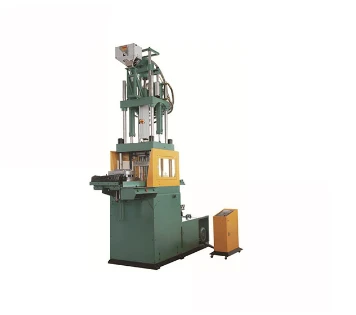
Discount Spin-On Oil Filter Production Line
In today’s automotive industry, the demand for efficient and cost-effective oil filtration solutions is growing. The spin-on oil filter, known for its convenience and efficacy, has become a staple in vehicle maintenance, ensuring that engines run smoothly and efficiently. The production line designed for these filters plays a crucial role in meeting market demands while keeping costs low, which is especially important in an increasingly competitive landscape.
The Production Process
The discount spin-on oil filter production line comprises several key steps that optimize both quality and productivity. First, raw materials such as steel, filter media, and sealants are sourced from reliable suppliers. The choice of materials is crucial, as high-quality components guarantee longevity and performance in oil filtration.
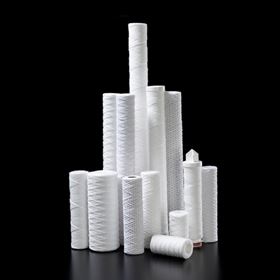
Next, the manufacturing process begins with the stamping of steel components, which are then formed into the characteristic cylindrical shape of the spin-on filter. This step is often automated, utilizing advanced machinery to ensure precision and consistency. The filter medium, usually made from cellulose or synthetic materials, is cut to size and prepared for assembly.
Once the metal housing and filter media are ready, the components undergo an intricate assembly process. This often includes automatic crimping and welding to secure the filter media within the housing. As these processes can be repetitive and labor-intensive, many production lines are incorporating robotics and automated systems to enhance speed and efficiency.
Quality Control
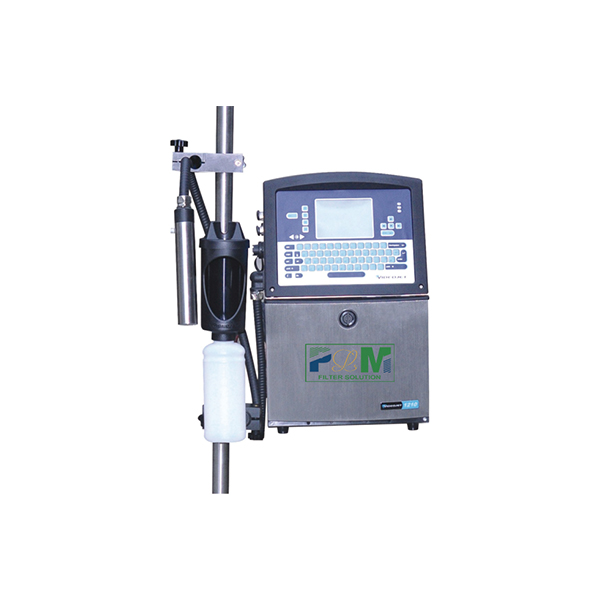
Quality control is paramount in the production of spin-on oil filters. Each unit goes through rigorous testing to ensure it meets industry standards for filtration efficiency, flow rate, and pressure resistance. Frequent inspections and tests throughout the production process help catch defects early, minimizing waste and ensuring that only high-quality products reach the market.
Cost-Effectiveness
To offer discounted prices, manufacturers often focus on streamlining operations and reducing material costs without compromising quality. Implementing lean manufacturing principles helps to eliminate waste and improve efficiency across the production line. Additionally, establishing partnerships with suppliers can lead to bulk purchasing discounts, further driving down costs.
Conclusion
With the automotive industry continuously evolving, the demand for reliable and affordable spin-on oil filters remains strong. A well-designed production line dedicated to producing high-quality filters at discounted prices can significantly benefit manufacturers by enhancing their competitive edge in the market. By focusing on efficiency, quality control, and cost reduction, these production lines are essential for satisfying modern automotive needs and maintaining a loyal customer base. Emphasizing sustainability and innovation will further pave the way for the future of spin-on oil filter manufacturing, solidifying its place as a crucial component in the automotive ecosystem.

High-Performance Hot Melt Adhesive for Automated Production Lines

Exploring Cutting Machines A Comprehensive Guide to Types and Applications