Why eg metal caps Matter in Today’s Global Landscape
At first glance, eg metal caps might sound like a niche topic, but the truth is, these small yet mighty components play a huge role in a variety of industries worldwide. From securing bottles and containers in manufacturing to serving in industrial applications where sealing and protection matter, they're everywhere. Globally, manufacturers produce billions of metal caps annually — a figure that hints at their sheer importance. But beyond just quantity, understanding the role and evolution of metal caps can provide surprising insights into sustainability, supply chain resilience, and even emergency management.
So why does it truly matter? Because metal caps aren’t just about closing a bottle—they are about safety, preservation, and maintaining standards across diverse sectors from food and beverages to pharmaceuticals. For anyone interested in modern manufacturing or industrial design, knowing your eg metal caps can open doors to smart choices in materials, cost, and usability.
The Global Context: Why eg Metal Caps Are Everywhere
Oddly enough, metal caps have quietly become a barometer for industrial development. According to ISO standards for metal closures (ISO 8317, 8552), the production and quality of metal caps can reflect economic growth and industrial capacity. The world consumes vast amounts of packaged goods—UN data notes a growing global packaging market driven by rising consumer demand, especially in emerging economies. In 2022 alone, more than 400 billion closures were reportedly manufactured worldwide, a figure that gives a sense of how embedded these items are.
But here’s a challenge: with increasing environmental regulations and a global push for sustainability, the materials and processes used in metal caps need to evolve. Manufacturers face the dilemma of balancing cost, durability, and recyclability. Additionally, the COVID-19 pandemic highlighted supply chain fragility—especially for packaging materials—making reliable metal caps even more critical for sectors like pharmaceuticals.
Mini takeaway: Metal caps aren’t just packaging accessories; they’re a reflection of global manufacturing health, economic trends, and environmental challenges.
What Exactly Are eg Metal Caps?
Simply put, eg metal caps are metal closures used to seal containers—often bottles or jars. They can be screw caps, crown caps, or snap-on caps made from various metals like aluminum, tinplate steel, or alloys. The choice of metal and design depends on the contents—carbonated drinks often use crown caps for pressure retention, while pharmaceuticals prefer tamper-evident metal caps ensuring safety.
In modern industry, these caps do more than seal; they maintain freshness, prevent contamination, and contribute to a product’s branding and consumer appeal. On the humanitarian side, sturdy and safe metal caps help secure containers for vaccines or emergency supplies reaching remote areas, preserving integrity during transport.
Core Components That Define Quality Metal Caps
Durability & Corrosion Resistance
Most metal caps face liquids that can be acidic or alkaline, so resistance to corrosion is essential. Aluminum is popular because it naturally oxidizes to form a protective layer, while tinplate steel is often coated with organic varnishes for protection.
Seal Integrity
The seal must be airtight or pressure-resistant depending on the use-case. Many metal caps use liners—like polyethylene or rubber—to improve sealing. It’s a tiny detail but critical to preventing leaks or spoilage.
Manufacturing Scalability
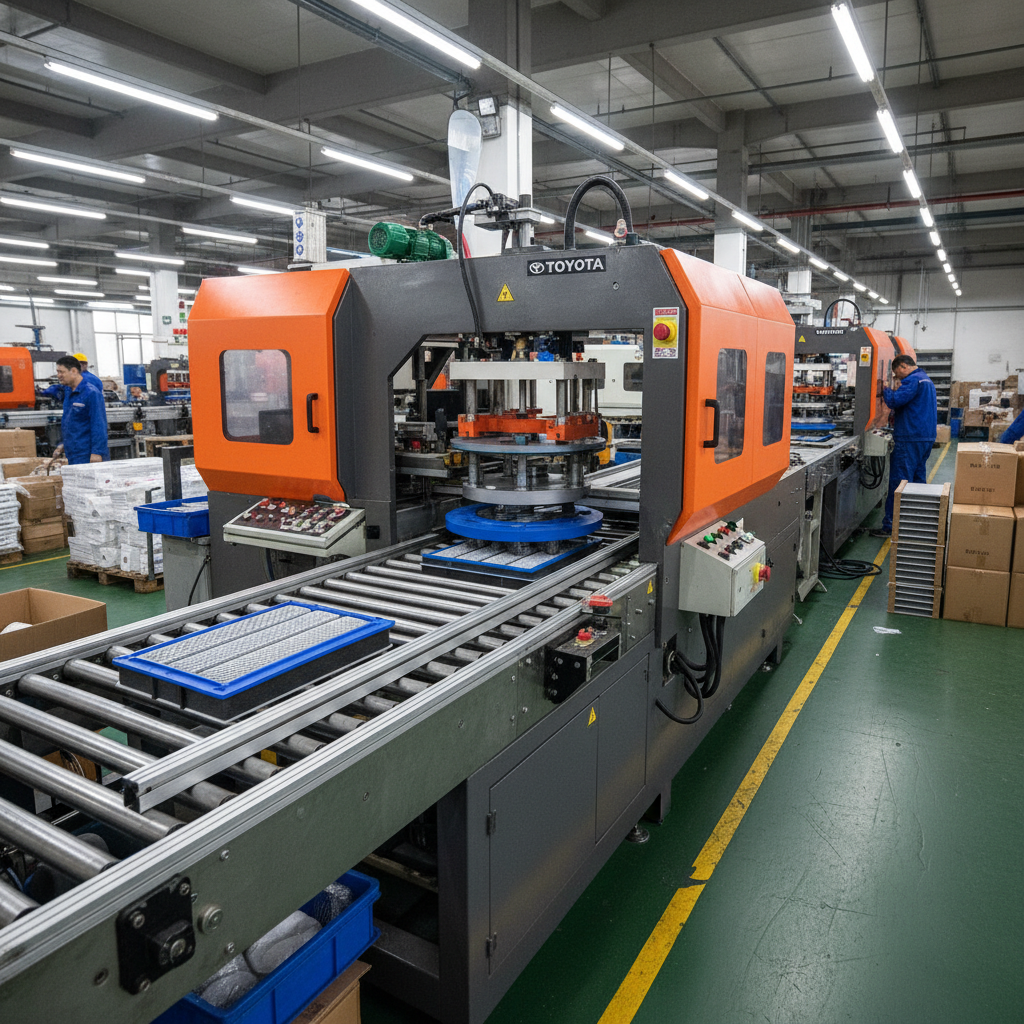
Metal caps are produced in huge volumes, so efficiency without sacrificing quality is a big deal. Automation and precision stamping technology help speed up production.
Cost Efficiency
Price per unit matters, especially when you're talking billions of caps. Material choice, coating, and production methods all impact the final cost.
Customization & Branding
Nowadays, metal caps offer valuable branding opportunities—embossing, colors, or tamper-evident features align with marketing and consumer trust.
Environmental Sustainability
Recyclability and the push for greener materials are reshaping production. Many companies invest in eco-friendly coatings or use recycled metals to reduce footprint.
Mini takeaway: It’s not just about slapping on a cap; thoughtful engineering balances durability, seal quality, scalability, and sustainability.
Where and How eg Metal Caps Are Used Around the World
Industries that rely on metal caps span from beverage makers in Europe and North America, where carbonated soft drinks require reliable crown caps, to pharmaceutical companies in Asia that depend on tamper-resistant screw caps for injectable fluids.
- Food and Beverage: Carbonated drinks, juices, sauces, and canned foods all use metal caps for sealing.
- Pharmaceuticals: Medical vials often require metal caps with safety seals or liners to assure sterility.
- Cosmetics: Luxury brands employ decorative metal caps with intricate designs—both functional and aesthetic.
- Emergency Relief: In disaster zones, properly sealed containers with metal caps keep drinking water and medicines safe during transport.
For example, an international NGO distributing vaccines in sub-Saharan Africa uses tamper-evident metal caps on vials that resist rough handling and extreme temperatures, a seemingly small factor that can mean life or death.
The Tangible Benefits of Choosing High-Quality eg Metal Caps
Choosing the right eg metal caps saves money over the long haul — fewer returned or spoiled products, less waste, and simpler recycling. Emotionally, consumers trust products with secure seals; it fosters a perception of safety and professionalism. Brands can also differentiate themselves via cap design, which might seem trivial but often sticks in consumers’ minds.
Environmentally conscious consumers appreciate metal closures that are recyclable and made with reduced energy inputs. Reliability matters—any leak or contamination can hurt a company’s reputation and, frankly, endanger public health.
Mini takeaway: Metal caps blend cost-efficiency, sustainability, and consumer trust—making them more than just a closure.
Looking Ahead: Innovations and Trends in Metal Caps
- Smart Caps: Embedded RFID chips for supply chain tracking are on the rise.
- Eco-friendly Materials: Bio-based liners and recyclable metals continue to advance.
- Automation: Robotics are streamlining high-speed production and quality checks.
- Anti-counterfeiting: Complex tamper-evident designs protect consumers and brands.
- Lightweighting: Using thinner metals without sacrificing strength reduces material use and shipping costs.
These trends all nudge the industry toward greener, smarter, and more reliable caps. For manufacturers, staying ahead means innovating materials and design constantly.
Common Challenges and Ways to Address Them
One persistent issue is corrosion under harsh environmental conditions, especially with poor liner compatibility. Manufacturers counter this with better coating technologies and material science advancements.
Supply chain instabilities, due to geopolitical factors, have encouraged regional production—less dependency on single sources.
Finally, the consumer demand for sustainability means developing caps that are both functional and eco-friendly—balancing these isn’t trivial but is progressing swiftly.
FAQ: Your Top Questions About eg Metal Caps
- What types of metal are best for caps used in food packaging?
- Aluminum and tinplate steel are most common due to their corrosion resistance, recyclability, and affordability. Aluminum’s light weight and natural oxide layer help, while tinplate is often coated to prevent rusting.
- How do metal caps ensure tamper-evidence?
- Many metal caps include break-away bands, shrink wraps, or liners that irreversibly change when opened, signaling tampering. This is vital for pharmaceuticals or consumables needing safety assurance.
- Can metal caps be recycled easily?
- Yes, metal caps are recyclable in most municipal programs. Aluminum caps particularly have high recycling rates, though liners may need to be removed in some cases.
- Are custom-designed metal caps significantly more expensive?
- Custom embossing or complex finishes do raise costs somewhat, but many manufacturers offer scalable options that keep pricing competitive while allowing for unique branding.
Detailed Product Specification of a Typical eg Metal Cap
| Specification |
Details |
| Material |
Aluminum with organic protective coating |
| Diameter |
28 mm (custom sizes available) |
| Liner Material |
Polyethylene foam with heat-activated sealing |
| Weight per Unit |
1.8 grams |
| Operating Temp Range |
-20°C to 80°C |
| Recyclability |
100%, compatible with standard metal recycling streams |
Vendor Comparison: Leading eg Metal Cap Suppliers
| Supplier |
Product Range |
Customization Options |
Sustainability Focus |
Global Reach |
| CapCo Industrial |
Wide (crown, screw, snap-on) |
Embossing, colors, security bands |
Uses recycled aluminum |
North America, Europe |
| MetCap Solutions |
Specialized pharma caps |
Tamper-evident liners, custom seals |
Biodegradable liners in development |
Asia, Europe |
| Global Closures |
All types, including smart caps |
RFID, Anti-counterfeiting tech |
ISO14001 certified, recycling programs |
Worldwide |
If you're looking for trusted partners or exploring new designs, vendors vary in their strengths—you’ll want to balance customization, sustainability, and geographic availability to fit your needs.
In Conclusion: Why Good eg Metal Caps Are Worth the Attention
So after digging through all this, it’s oddly satisfying to realize how fundamental metal caps are—small but mighty links in a huge global supply chain. They provide security, sustainability, and style, all rolled into one. Choosing the right eg metal caps isn’t trivial; it can impact product quality, brand trust, and environmental footprint.
Interested in the latest in metal caps, their specs, or suppliers? Visit our site: https://www.mfiltersolution.com for more detailed resources and product options.
References & Further Reading
- Packaging materials - Wikipedia
- ISO 8317: Child-resistant packaging
- United Nations Statistics Division