The Quiet Power of G3 Pre Filter Rolls: What They Are and Why They Matter
In a world where air quality is increasingly scrutinized – from industrial factories to hospitals and homes – g3 pre filter rolls have quietly become indispensable. These robust, reliable filtration materials might not grab headlines, but their importance is global and growing. Understanding what they do and why they matter can help industries reduce costly equipment damage, protect worker health, and even contribute to environmental sustainability. So, before you flick on your AC or fire up your ventilation system, odds are a hardworking g3 pre filter roll is helping keep the air clean.
Why the World Needs G3 Pre Filter Rolls
Air pollution is ranked among the top environmental risks worldwide. According to the World Health Organization, outdoor air pollution causes approximately 4.2 million premature deaths annually. Urban growth, industrial activities, and increased energy consumption have put pressure on filtration technology to protect both people and machinery. Here’s where g3 pre filter rolls come in. They serve as frontline filters, capturing large dust particles and debris before the air reaches more sensitive filtration stages.
ISO standards classify G3 filters as medium coarse filters with moderate efficiency (roughly 80-90% for particles around 10 microns). This makes them essential in scenarios from HVAC systems in skyscrapers to manufacturing plants in emerging markets. In fact, many mechanical engineers argue that without effective g3 pre filtration, the lifespan of expensive HEPA filters can dramatically shorten, leading to increased downtime and costs.
Mini Takeaway
In real terms, g3 pre filter rolls protect more than just air systems—they help safeguard human health, industrial efficiency, and reduce environmental footprint in countless settings worldwide.
What Exactly Are G3 Pre Filter Rolls?
Put simply, g3 pre filter rolls are sheets or rolls of synthetic or fiberglass filter media designed to trap coarse dust particles before air enters final filtration stages. Rolled out across wide surfaces and cut to fit various air handling units, they act as the first line of defense in dust-heavy environments. You could think of them as the "rough catchers"—blocking debris that would otherwise clog or degrade more delicate filters downstream.
They are widely used in industries where air contamination is a daily challenge—cement plants, paper mills, even emergency shelter ventilation systems. For humanitarian efforts, clean air can be a matter of dignity and survival, making g3 pre filter rolls critical components in complex supply chains.
Four Core Factors of G3 Pre Filter Rolls That Engineers Should Know
1. Durability Under Pressure
It’s no understatement to say these rolls face a rough life. From abrasive dust to moisture exposure, they must hold structural integrity without sagging or tearing. Advances in composite fibers have helped increase tensile strength, so many modern g3 filter rolls sustain longer service periods even in tough industrial atmospheres.
2. Scalability and Custom Fit
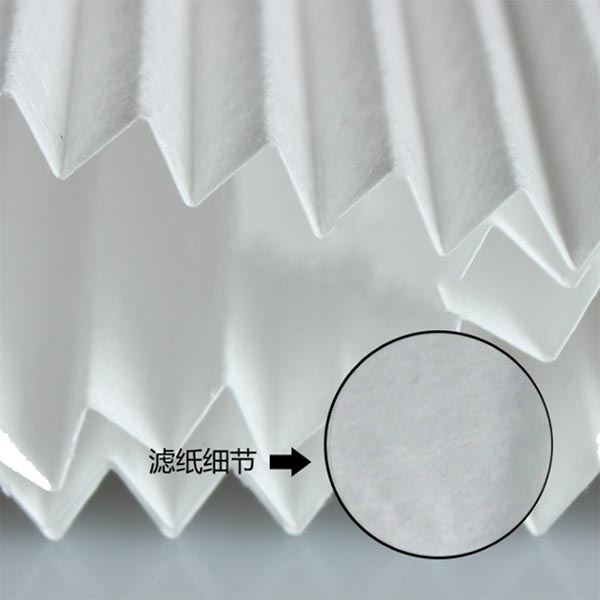
One size definitely does not fit all. Depending on the air handler’s size or specific environmental demands, rolls can be cut or pleated, allowing for custom thickness and surface area. This flexibility saves costs and optimizes performance.
3. Cost Efficiency and Maintenance
Since they filter larger particle loads, pre filters like g3 rolls reduce the load on more expensive filters downstream. The result? Less frequent replacements and lower operational costs. That said, buying quality material upfront can pay off because poor-quality media wears quickly—costing more in the long run.
4. Environmental Impact
Interestingly, some manufacturers now focus on eco-friendly media made partly from recycled fibers, or that degrade faster in landfills. Combining sustainability without sacrificing durability remains an active research area.
Mini Takeaway
Choosing the right g3 pre filter roll isn’t just ticking a box—it requires balancing durability, customization, cost, and environmental goals.
Global Applications: Where and How G3 Pre Filter Rolls Are Used
If you’ve ever walked into a hospital, airport, or food processing factory, the air circulating through those HVAC systems has probably passed through a g3 pre filter roll first. In fact:
- Industrial zones: Cement and mining operations in Asia and Africa rely on these filters to reduce harsh dust that would cripple machinery.
- Disaster relief: NGOs deploy air filtration tents with g3 media to ensure camps remain safe from airborne particles after wildfires or floods.
- Commercial buildings: In Europe and North America, commercial HVAC units utilize g3 rolls to increase indoor air quality while lowering energy consumption.
One memorable case was a steel plant outside Mumbai that switched to upgraded g3 pre filter rolls, resulting in a 30% longer lifespan of their HEPA filters, saving thousands in annual maintenance.
Product Specification Table: Typical G3 Pre Filter Rolls
| Specification |
Details |
| Filter Grade |
G3 (ISO 16890 standard) |
| Particle Efficiency |
80-90% for particles ≥10 µm |
| Material |
Synthetic fiber blend or fiberglass |
| Roll Width |
Typically 24 to 48 inches (customizable) |
| Thickness |
10-20 mm (varies by model) |
| Temperature Tolerance |
Up to 100°C / 212°F |
Comparing Leading Vendors of G3 Pre Filter Rolls
| Vendor |
Material Quality |
Customization |
Price Range |
Sustainability Initiatives |
| FilterPro Inc. |
High-end fiberglass |
Cut-to-order rolls |
$$$ (premium) |
Recycled fiber blend |
| EcoFilter Solutions |
Synthetic fibers |
Standard sizes |
$$ (mid) |
Biodegradable options |
| MFilter Solution |
Multi-layer synthetic blend |
Highly customizable, g3 pre filter rolls specialist |
$$$ (custom quotes) |
Sustainability certification |
Why Choosing G3 Pre Filter Rolls Pays Off in the Long Run
Sure, you can skimp on pre filters and save a few bucks upfront. But many facility managers say that’s short-sighted. The main benefits are striking:
- Cost Savings: Protecting downstream filters greatly extends their lifespan, meaning fewer replacements and less labor cost.
- Reliability: Stable airflow and reduced system strain minimize unexpected downtime.
- Sustainability: Using durable, reusable filter rolls means less waste landfill impact and energy consumption—win-win.
- Health and Safety: Clean air improves worker productivity, reduces sick days, and ensures regulatory compliance.
On a more emotional note, knowing you’re acting responsibly in protecting people and the planet is, frankly, quite reassuring.
Looking Ahead: Innovations Shaping the Future of G3 Pre Filter Rolls
Innovation rarely sleeps. Currently, research is moving toward integrating nanofiber layers or antimicrobial coatings that allow g3 filters to fend off bacteria as well as dust. Digital monitoring systems that track filter status in real-time are making their way into air handling units, reducing guesswork in maintenance.
Some firms are exploring bio-based fibers or fully recyclable rolls, aligning with global pushes for circular economy principles (inspired partly by the ISO 26000 guidelines). Oddly enough, even the humble pre filter roll is getting a “green” makeover.
Dealing with the Challenges
Of course, no product is perfect. Common problems with g3 pre filter rolls include clogging in super dusty environments or loss of airflow over time. Sometimes suppliers cut corners with lower-grade material to reduce costs, but that inevitably leads to quicker failures.
Experts recommend regular monitoring and sticking to quality vendors—plus innovations like modular filter racks that allow faster swap-outs without shutting down systems can ease these pain points. It’s a constant balance.
FAQ: Your Top Questions on G3 Pre Filter Rolls Answered
Q1: How often should g3 pre filter rolls be replaced?
A: Replacement frequency depends on environment and dust load but typically occurs every 1-3 months. High-dust settings might need monthly changes to maintain airflow and filter efficacy.
Q2: Can g3 pre filter rolls be reused after cleaning?
A: Generally, these rolls are designed as disposable media. While some can be gently vacuumed to prolong use briefly, washing risks fiber damage and reduced filtering performance.
Q3: Are g3 pre filter rolls compatible with HEPA filters?
A: Absolutely. They function as a preliminary stage to catch coarse particles, significantly extending the life of HEPA filters and other fine filters downstream.
Q4: Is it possible to customize g3 pre filter rolls for unusual sized systems?
A: Yes! Most suppliers offer customized widths, lengths, and thicknesses. Companies like MFilter Solution specialize in customized rolls tailored to your air handler’s specifics.
Q5: What materials are typically used in g3 pre filter rolls and why?
A: Most use synthetic fibers or fiberglass due to their balance of durability, cost, and filtering efficiency. Newer blends attempt to combine robustness with sustainability goals.
In Conclusion: Why G3 Pre Filter Rolls Deserve Your Attention
From factories in emerging markets to hospital ventilation systems in major cities, g3 pre filter rolls stand as humble yet critical components keeping our air cleaner and machinery safer. They save costs, protect health, and increasingly align with sustainability goals. If you’re looking into upgrading or maintaining your air handling system, considering the quality and fit of your pre filter rolls is one of the smarter moves you can make.
For reliable, customizable options, and deep expertise in g3 filtration, visit MFilter Solution today. Better air quality might just be a roll away.
Final Mini Takeaway
Good filtration starts with a smart pre filter. G3 pre filter rolls often go unnoticed, but their impact on efficiency, health, and sustainability is profound – and only growing with new technologies and awareness.
References:
1. WHO Ambient Air Quality and Health
2. ISO 16890 Air Filter Classification
3. ISO 26000 Social Responsibility Guidelines