Dec . 04, 2024
The Importance of Filtering Plastic Mould Contaminants in Manufacturing
In the world of manufacturing, particularly in the production of plastic components, maintaining quality and consistency is vital. This necessity has led to the emphasis on filtering plastic moulds. The integrity of a product often hinges on the cleanliness of the mould used during the production process. Contaminants can severely impact the quality of the finished product, leading to defects such as surface blemishes, structural weaknesses, or even complete production failures. Therefore, an in-depth understanding of the importance of filtering plastic moulds is paramount for manufacturers.
Understanding Plastic Mould Contaminants
Plastic mould contaminants can originate from various sources including environmental debris, residual materials from prior production cycles, and even from the raw materials themselves. These contaminants can affect the dimensional accuracy, surface finish, and mechanical properties of the finished products. For instance, foreign particles can create imperfections on the surface of the component, while improper removal of previous materials can lead to a mixture of different polymers that degrade the quality of the new product.
The Role of Filters in the Moulding Process
Given the potential risks posed by contaminants, the integration of filtering systems in the moulding process is a crucial step. Filters can be installed at various points in the manufacturing process, such as within the hopper feed, between the barrel and the mould, or right at the injection point. The primary function of these filters is to capture and remove unwanted particulates before they can be introduced into the molten plastic.
There are several types of filters used in plastic moulding, including mesh filters, strainer filters, and automatic back-flush systems. Mesh filters provide a physical barrier that traps larger particles, while strainer filters can capture finer debris. More advanced automatic filters can clean themselves by reversing flow, thus ensuring minimal downtime and consistent performance.
Benefits of Effective Filtering Systems
Implementing an effective filtering system has numerous advantages for manufacturers. Firstly, it enhances product quality. By reducing the number of contaminants that enter the moulding process, manufacturers can achieve higher consistency in their products. This leads to fewer defects, reduced waste, and ultimately, lower production costs.
Secondly, the longevity of the moulds themselves can be extended. Contaminants can lead to wear and tear on mould surfaces, reducing their useful life significantly. By keeping these moulds clean, manufacturers can improve their operational efficiency and reduce the frequency of maintenance and replacement.
Furthermore, effective filtration systems contribute to safer working environments. Accumulation of plastic residue and contaminants can lead to hazardous working conditions, particularly when high temperatures are involved. High-quality filtration helps mitigate these risks, creating a safer workplace for employees.
Challenges and Considerations
While there are clear benefits to filtering plastic moulds, manufacturers also face challenges in implementing these systems. One major concern is the maintenance of filters. Clogged filters can impede the production process and lead to inconsistencies if not monitored closely. Manufacturers must strike a balance between effective filtration and operational efficiency, ensuring that their systems are easily maintainable and do not disrupt production cycles.
Additionally, the choice of filter material and type must be matched to the specific requirements of the plastics being processed. Not all filters are appropriate for every type of polymer, and using an incompatible filter can lead to further complications.
Conclusion
In conclusion, filtering plastic moulds is a critical aspect of manufacturing quality plastic components. By minimizing contaminants, manufacturers can enhance product quality, prolong mould life, and foster a safer working environment. However, like any system, careful consideration and maintenance are essential to ensure that the filtering process remains effective. As the industry continues to evolve, the need for advanced filtering solutions will become even more significant in achieving the high standards required in modern manufacturing processes.
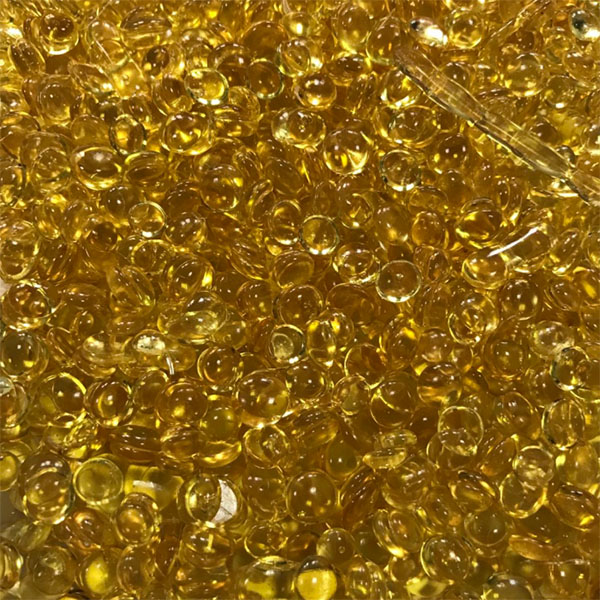
High-Performance Hot Melt Adhesive for Automated Production Lines
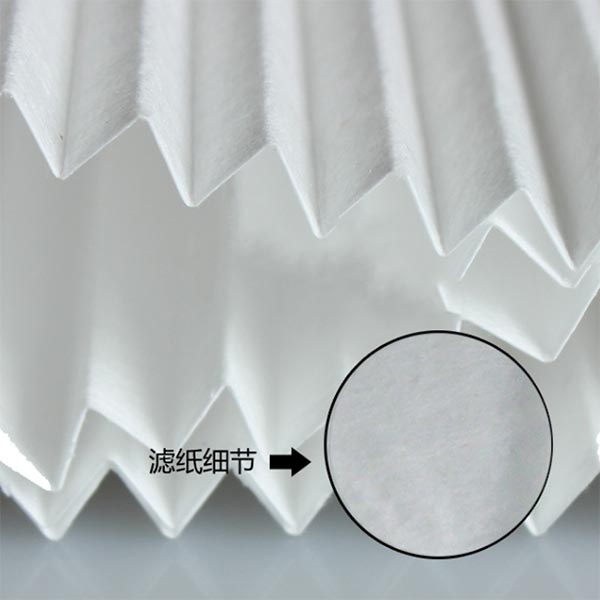
Comprehensive Guide to PU Air Filter Making Machine Technology and Applications