Nov . 10, 2024
Understanding Diesel Fuel Filters Importance, Types, and Maintenance
Diesel fuel filters play a crucial role in the performance and longevity of diesel engines. These filters are responsible for removing contaminants from diesel fuel, including dirt, rust, and water, which can cause serious damage to engine components if allowed to pass through. In this article, we will explore the importance of diesel fuel filters, the different types available, and tips for their maintenance.
The Importance of Diesel Fuel Filters
Diesel engines rely on a clean and efficient fuel supply to operate at optimal levels. Contaminants in the fuel can lead to clogged injectors, poor combustion, increased emissions, and even engine failure. By selecting the right diesel fuel filter, vehicle owners can prevent these issues, ensuring their engines run smoothly and efficiently.
Moreover, the presence of water in diesel fuel can lead to microbial growth, resulting in further contamination and potential damage to the fuel system. This is why fuel filters are not only a preventive measure; they are essential for the overall health of the engine. Regularly changing and maintaining diesel fuel filters is a small investment that can yield long-term savings by avoiding costly repairs and downtime.
Types of Diesel Fuel Filters
There are several types of diesel fuel filters available on the market, each designed for specific purposes and applications. Understanding the different types can help vehicle owners choose the right filter for their needs.
1. Primary Fuel Filters These filters are typically located near the fuel tank and are the first line of defense against contaminants. They capture larger particles and are essential for protecting the fuel system.
2. Secondary Fuel Filters Positioned closer to the fuel injectors, secondary filters catch smaller particles not removed by the primary filter. They ensure that only clean fuel reaches the engine, which is vital for optimal performance.
3. Water Separators As the name suggests, these filters are specifically designed to remove water from diesel fuel. Many modern systems incorporate a water separator as part of the fuel filtering process, as water can cause significant damage to diesel engines.
4. Spin-On Filters These are easier to replace and are commonly used in modern diesel engines. They typically come with a built-in water separator, combining filtration capabilities into a single unit for convenience.
5. Micron Rated Filters These filters are categorized by their micron rating, which denotes the size of particles they can effectively filter out. Lower micron ratings (such as 2-10 microns) indicate finer filtration, ideal for protecting sensitive fuel injection systems.
Maintenance Tips for Diesel Fuel Filters
Maintaining diesel fuel filters involves regular inspections and timely replacements. Here are some practical tips to ensure your filters remain effective
1. Regular Replacement Follow the manufacturer’s recommendations for filter replacement intervals. In general, it’s advisable to replace the primary filter every 10,000 to 15,000 miles, although this can vary based on fuel quality and driving conditions.
2. Check for Water Periodically inspect your filters for water accumulation, particularly if the vehicle has been operating in wet conditions. Many water separators come with a drainage valve that allows you to remove excess water before it can cause problems.
3. Fuel Quality Use high-quality diesel fuel from reputable sources to minimize the presence of particulates and water. Consider adding a fuel additive to help prevent microbial growth in the tank.
4. Professional Inspections Schedule regular check-ups with a qualified mechanic who can assess the condition of your fuel filters and recommend replacements as necessary. This is especially important in commercial vehicles where reliability is crucial.
5. Monitor Engine Performance Be aware of signs indicating that your fuel filter may be clogged or damaged, such as decreased engine performance, rough idling, or difficulty starting the engine.
Conclusion
Investing in quality diesel fuel filters and prioritizing their maintenance is essential for any diesel engine owner. By understanding their importance, knowing the different types available, and following best practices for upkeep, you can ensure that your diesel engine remains in peak condition, delivering reliable performance for years to come.

High-Performance Hot Melt Adhesive for Automated Production Lines
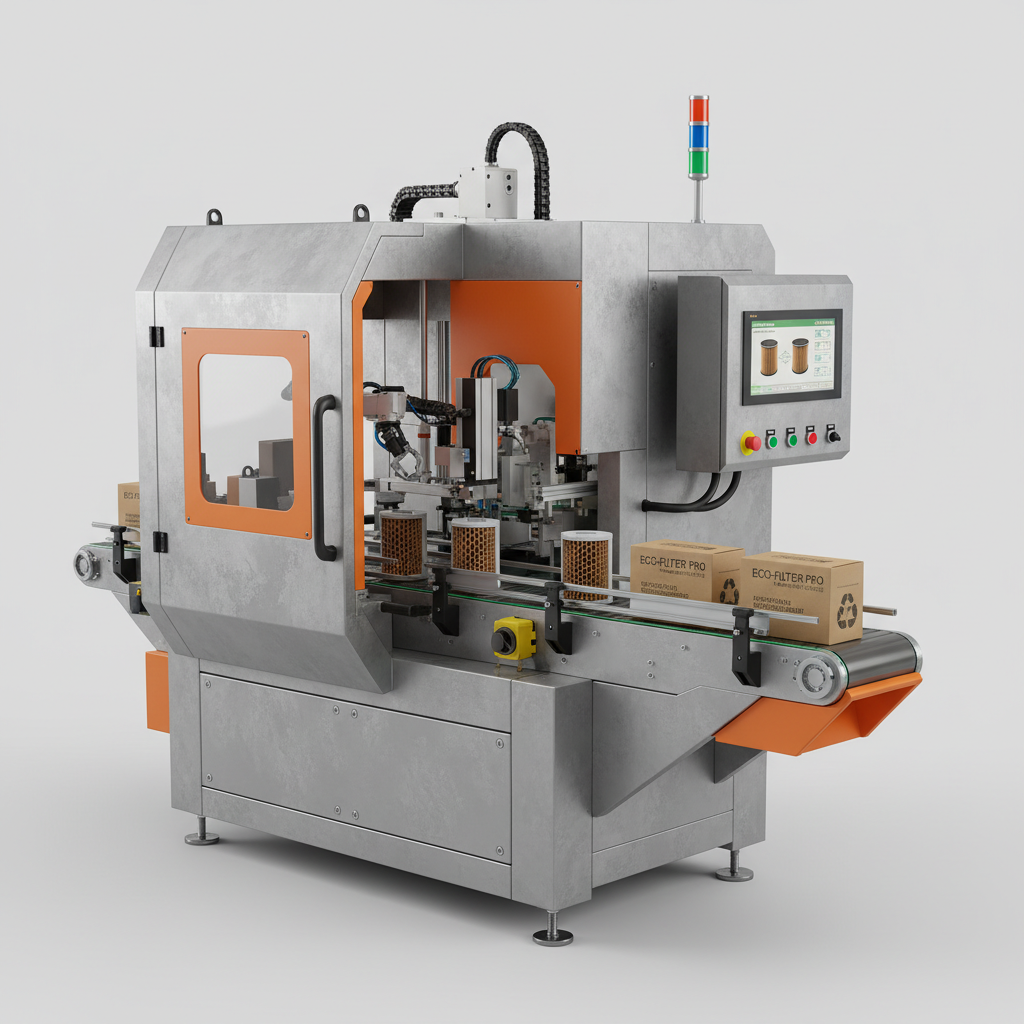
Advanced Eco Oil Filter Making Machine Solutions for Sustainable Filtration