Oct . 21, 2026
Evaluating the total cost of ownership for the LM-ZZ-5 replacement filter elements during annual supplier reviews requires a rigorous balancing of initial unit acquisition expenses against long-term maintenance realities. Industrial procurement managers and HVAC maintenance supervisors must look past baseline invoice figures to account for multi-tier volume discounts and volumetric freight calculations.
Operating efficiency depends heavily on sustained filter lifespan and pressure drop dynamics rather than upfront purchase price alone. When maintenance teams integrate these variables into their annual supplier review criteria, financial exposure to unexpected downtime drops significantly.
Analyzing initial unit acquisition costs for the LM-ZZ-5 replacement filter elements during annual supplier reviews requires a rigorous balancing against long-term maintenance labor expenses. Procurement decisions focused exclusively on lowest-bid pricing frequently overlook subsequent maintenance overhead, recurring handling fees, and variable replacement frequencies across industrial workflows.
Unpredicted maintenance events routinely overshadow short-term savings derived from alternative components. When sudden airflow restrictions interrupt manufacturing operations, premature component failures drive total ownership expenses far beyond baseline invoice figures.
Assessing potential downtime risks linked to alternative replacement options protects facility budgets from unforeseen operational liabilities. Industrial buyers must establish a structured baseline for evaluating total cost of ownership beyond the initial purchase price by factoring in component durability alongside replacement labor requirements.
To support this evaluation, relevant documentation and compliance files are available from the supplier to verify specific operating tolerances and material standards during annual vendor assessments.
Volume-dependent procurement structures dictate that baseline per-unit acquisition expenses decline when batch sizes cross specific supplier thresholds. Industrial buyers balancing inventory holding outlays against initial invoice figures must examine how tiered pricing applies to high-quantity purchases of the LM-ZZ-5 filter element. Bulk ordering reduces individual unit costs, yet these initial financial gains require careful reconciliation with subsequent logistics outlays across target industrial workflows.
When purchasing departments scale up order sizes to capture lower unit rates, the physical dimensions of replacement filter elements expand total shipment profiles. Major logistics providers apply volumetric freight calculations that penalize cargo shipments occupying excessive space relative to their actual weight. Consequently, uncalculated transit overhead can quickly absorb the financial margins secured through multi-tier volume discounts.
Volumetric pricing models convert physical package dimensions into billable weight units, elevating transport expenses for bulky industrial goods. Sourcing teams handling large volumes of drum-type filter elements must model these freight factors before finalizing annual purchasing agreements.
| Model | Application | Industry | Price Tier | Required Documentation |
|---|---|---|---|---|
| LM-ZZ-5 | HDAF filter element | Air filter manufacturing | Volume-dependent | Documentation available from the supplier |
If shipping density is overlooked during route planning, landed costs can exceed initial budgetary projections. Procurement managers evaluate regional transit rates alongside supplier batch limits to protect operational margins.
Order batching strategies must balance transportation overhead against warehouse storage capacities to prevent excessive working capital tie-up. Consumption rates across automotive, industrial, and HVAC systems determine the optimal replenishment frequency for each facility.
Exact volumetric measurements and freight calculations are managed through transit specifications provided during negotiations. Aligning delivery batches with actual operational consumption protects industrial buyers from unexpected inventory holding costs.
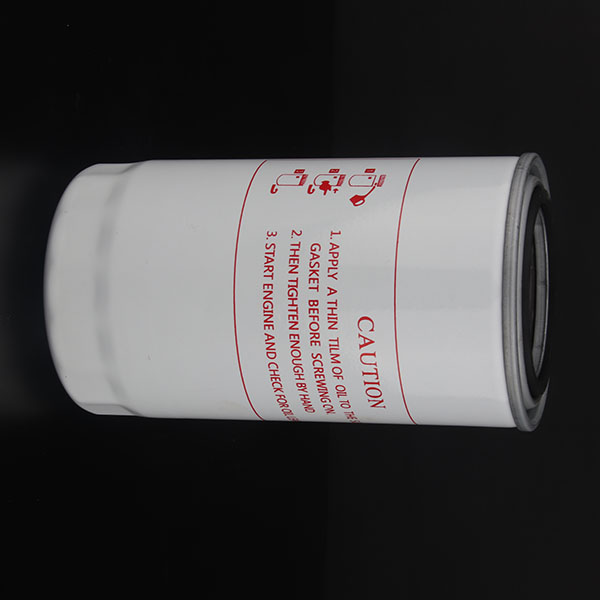
Operational efficiency ties directly to filter lifespan under continuous industrial particulate loading. Replacement filter elements designed for the LM-ZZ-5 maintain airflow capacity longer when surface media integrity withstands heavy automotive, industrial, and HVAC dust challenges without premature blinding. Facility operators monitor service intervals closely because extended operational cycles minimize unexpected shutdowns.
When replacement filter elements degrade prematurely under dense particulate accumulation, air handler motors consume excess electrical power to overcome rising resistance. System performance over extended operational cycles depends on how evenly particulate matter distributes across the drum-type filtration surface. Procurement managers evaluate these lifespan dynamics to prevent sudden efficiency drop-offs during peak operating seasons.
Differential pressure across filtration media dictates immediate fan power draw adjustments within industrial HVAC arrays. Energy consumption rises exponentially when internal resistance builds faster than anticipated operational schedules permit. Monitoring static pressure curves helps maintenance teams identify optimal change-out windows before electrical penalties outweigh the material cost of new replacement components.
Initial purchase price savings on lower-quality alternative filters vanish quickly when elevated pressure drops trigger continuous electrical power spikes. Balancing upfront procurement outlays against long-term utility penalties requires a rigorous examination of historical energy consumption data across target facilities. Sourcing robust drum-type replacement elements ensures that sustained aerodynamic performance protects operational profit margins over multi-year service horizons.
Facility budgets benefit significantly when procurement decisions factor in energy retention alongside baseline unit acquisition expenses. Comprehensive evaluations of airflow resistance prevent hidden utility overhead from eroding initial batch purchasing discounts. Industrial buyers rely on verified performance metrics to confirm that replacement components sustain design specifications under rigorous operating conditions.
Sourcing replacement filter elements through independent industrial distributors allows facility managers to bypass exclusive manufacturer choke points. Regional inventory buffering maintains operational continuity without relying solely on distant primary production sources.
Local inventory availability directly determines how quickly facilities can respond to unexpected pressure drop spikes in automotive, industrial, and HVAC systems.
Reliable delivery schedules during peak replacement windows depend on establishing robust backup supplier relationships. When maintenance supervisors diversify their procurement channels across multiple regional distributors, transport delays cease to threaten uptime metrics.
Purchasing decisions require evaluating unit acquisition costs against the tangible risk of facility downtime caused by transit delays. Facility buyers assess whether local distributor margins offset the expensive logistics overhead associated with expedited freight shipments. Supply chain resilience relies on maintaining active accounts with regional vendors to hedge against sudden inventory shortages.
Structuring annual supplier reviews requires capturing both direct purchasing expenses and the hidden operational burdens that accumulate across industrial workflows.
Procurement audits measure component longevity alongside replacement labor frequencies to capture the true financial impact of facility maintenance cycles.
Facility managers evaluate original equipment manufacturer options against independent distribution channels by tracking total operational expenditures over multi-year cycles.
Comparative cost models rely on standardized metrics such as initial purchase outlays, anticipated replacement intervals, and labor hours required for changeouts.
| Evaluation Metric | OEM-Branded Sourcing | Independent Distribution |
|---|---|---|
| Application Scope | HDAF filter element | Automotive, industrial, and HVAC systems |
| Industry Segment | Air filter manufacturing | Air filter manufacturing |
| Price Tier | Higher initial outlay | Variable depending on batch size |
Tracking actual service hours between component swaps prevents premature failures from distorting historical cost models.
Maintenance teams log filter performance metrics during routine inspections to validate whether replacement components meet projected operational life spans.
Verify supplier documentation policies with the vendor during initial technical evaluations.
Financial models remain accurate only when purchase price assumptions account for variable freight outlays and destination port logistics.
Combining purchase price, shipping volume, and pressure drop penalties into a single evaluation matrix enables facility operators to rank competing quotations accurately. When these quantitative metrics populate a unified scoring template, purchasing teams identify hidden cost drivers that raw invoice totals typically conceal.
Decision-making frameworks rely on weighted scoring models where unit acquisition costs account for a defined fraction of the total score. Freight density calculations and projected energy consumption variations constitute the remaining evaluative weightings across active operational cycles.
Distinguishing between OEM-branded channels and independent industrial distributors requires clear performance thresholds tied to delivery lead times and batch flexibility. Independent channels are evaluated on their capacity to supply replacement filter elements without incurring excessive volumetric shipping charges during peak demand windows.
Selection policies prioritize suppliers who provide transparent volume discount tiers and predictable fulfillment schedules. When evaluating these options, procurement leads verify supplier documentation policies and delivery reliability parameters directly with the vendor, ensuring alignment with facility maintenance requirements.
Balancing short-term purchasing savings against long-term HVAC reliability prevents premature component failures from disrupting industrial workflows. Maintenance supervisors review historical replacement frequency data to ensure that lower-priced alternatives do not elevate overall labor overhead through accelerated wear.
Strategic procurement planning incorporates these empirical findings into upcoming contract cycles, stabilizing operational budgets while maintaining system performance. Subsequent purchasing schedules adjust order volumes based on verified usage patterns, securing per-unit savings without compromising environmental control standards.
Multi-tier volume discount structures reduce baseline per-unit purchase prices when batch quantities cross specific supplier thresholds. However, physical shipment dimensions for drum-type filter elements expand total cargo volume, which influences final freight outlays. Logistics calculations depend strictly on order volume and the destination port economics for each batch.
Operating efficiency depends directly on sustained filter lifespan performance and pressure drop behavior during extended operating cycles. Rapid airflow resistance increases energy consumption across facility systems long before physical component failure occurs. Facilities weigh these ongoing utility overhead costs against initial purchase price savings.
Independent industrial distributors provide alternative supply chain channels that help mitigate delivery delays during peak maintenance cycles. Sourcing through independent channels allows facility managers to balance component pricing against regional inventory availability. Delivery timelines and lead times depend on distributor stock levels and geographic proximity to the operating facility.
Standardized supplier reviews incorporate historical maintenance labor intervals, component replacement frequency, and handling fees alongside direct purchasing invoices. Documenting these operational metrics exposes the true cost of ownership for alternative filter components. This structured evaluation helps facilities prevent unexpected downtime liabilities from eroding initial financial savings.
Optimal order quantities depend on inventory holding costs, warehouse storage capacity, and multi-tier volume discount thresholds provided by suppliers. Facilities balance the carrying cost of holding large batch inventories against per-unit shipping economies of scale. Purchasing schedules are adjusted based on historical replacement rates across automotive, industrial, and HVAC systems.
Procuring industrial air filtration components requires coordinating specific order volumes against logistical timelines to prevent facility downtime. Facility purchasing agents initiate the quotation stage by outlining exact batch requirements, destination ports, and target delivery windows.
Structuring formal request documents ensures that suppliers respond with comprehensive itemized pricing and delivery schedules tailored to specific operational scales. Depending on destination logistics and seasonal demand, detailed terms define total landed outlays before final purchase orders are approved.


High-Performance Hot Melt Adhesive for Automated Production Lines