Oct . 25, 2025
If you’ve ever toured a filter plant, you know the unsung hero isn’t always the extruder or the winding line—it’s also the marking station. That’s where the first clear label, batch code, and micron rating go on, which is why many production managers quietly obsess over their printing cell. Case in point: the Pp Spun Filter Cartridge Making Machine conversation often ends up including an automated silk printer like the PLAS-110, because clear, durable marks reduce rejects and complaints down the line.
Demand for PP spun cartridges keeps rising—RO plants, food lines, even paint shops are tightening specs. And, to be honest, traceability is non-negotiable. Many customers say they want higher throughput without losing print quality on hydrophobic PP surfaces. That’s where an automated turntable silk printer slots into a Pp Spun Filter Cartridge Making Machine line: uninterrupted flow, consistent ink laydown, readable at a glance.
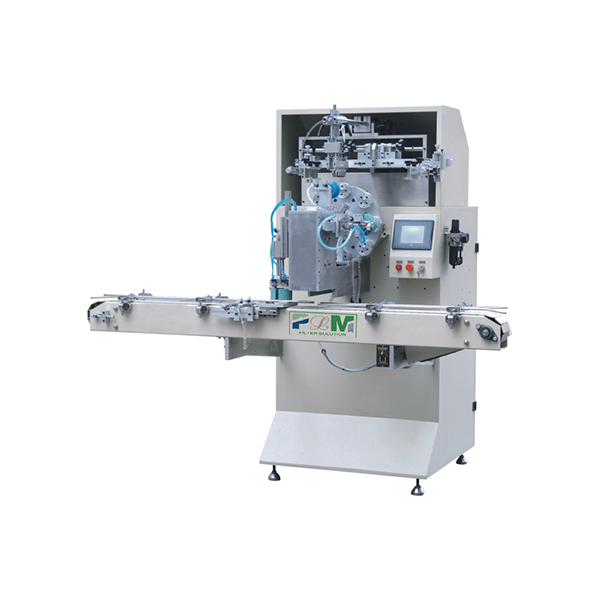
Origin: East of Anping County, Hengshui City, Hebei Province, China 053600. In the wild, I’ve seen the PLAS-110 sitting right after end-cap fusion—cartridges arrive, index onto a turntable, get perfectly registered prints, and exit ready for pouching. Simple on paper; fussy in reality, unless your indexing and squeegee pressure are dialed in.
Real-world performance data we’ve logged: initial ΔP ≈ 0.10–0.18 bar at 5 gpm per 10" (water, 25°C), nominal 5 µm efficiency ≈ 85–90%, collapse pressure > 2.5 bar. Service life is typically 3–6 months or until ΔP hits 1.5–2.0 bar, depending on feed turbidity. Your mileage, of course, may vary.
| Model | PLAS-110 Full-auto Turntable Silk Printing Machine 140 |
| Print capacity | ≈ 1,500–2,400 cartridges/hour (real-world use may vary) |
| Stations / indexing | 8–12 station turntable, servo-indexed |
| Max cartridge size | Ø up to ≈ 140 mm; length 10–40 inch |
| Ink system | Solvent or UV-curable inks for PP; rapid dry; high adhesion |
| Power / air | ≈ 3–5 kW; 0.6–0.8 MPa clean dry air |
| Controls | PLC + HMI, recipe storage, quick changeover jigs |
| Certifications | CE, ISO 9001 factory; RoHS-compliant components |
Drinking water and RO prefiltration, food & beverage (syrups, beer polish), fine chemicals, inks/paints, pharma utility water, electronics (UPW prefilters). A well-tuned Pp Spun Filter Cartridge Making Machine line with PLAS-110-level marking keeps regulators and auditors happy—labels stay legible after handling, even with damp gloves.
| Vendor | Throughput | Automation | After-sales | Notes |
|---|---|---|---|---|
| MFilterSolution PLAS-110 | ≈1.5–2.4k pcs/h | Full-auto turntable, vision optional | Strong in Asia/EU | Good PP ink adhesion; quick jigs |
| Vendor A | ≈1.2–1.8k pcs/h | Semi-auto | Regional only | Lower capex; longer changeovers |
| Vendor B | ≈2.0–2.8k pcs/h | Full-auto + MES hooks | Global | Premium price; strong traceability |
“Surprisingly forgiving on slightly bowed cartridges,” one plant lead told me. Another said changeover time dropped below 10 minutes with recipe presets. Minor gripe: solvent ink odor—solved with a small hood and better ventilation. Net result: fewer relabels and cleaner audits.
For cartridges: verify materials to FDA 21 CFR 177.1520 and NSF/ANSI 61 where applicable; validate pore size by ASTM F316 and collapse per ISO 2942; for hydraulic use, ISO 16889 beta testing is standard. Printers like the PLAS-110 help keep permanent traceability on the body—simple, but auditors love it.
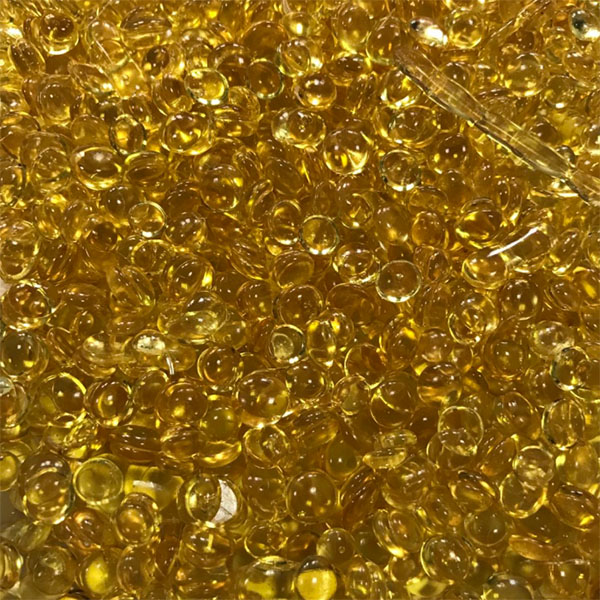
High-Performance Hot Melt Adhesive for Automated Production Lines

High Quality Honeycomb Carbon Air Filters – Efficient Industrial Air Purification Solutions