Oct . 24, 2025
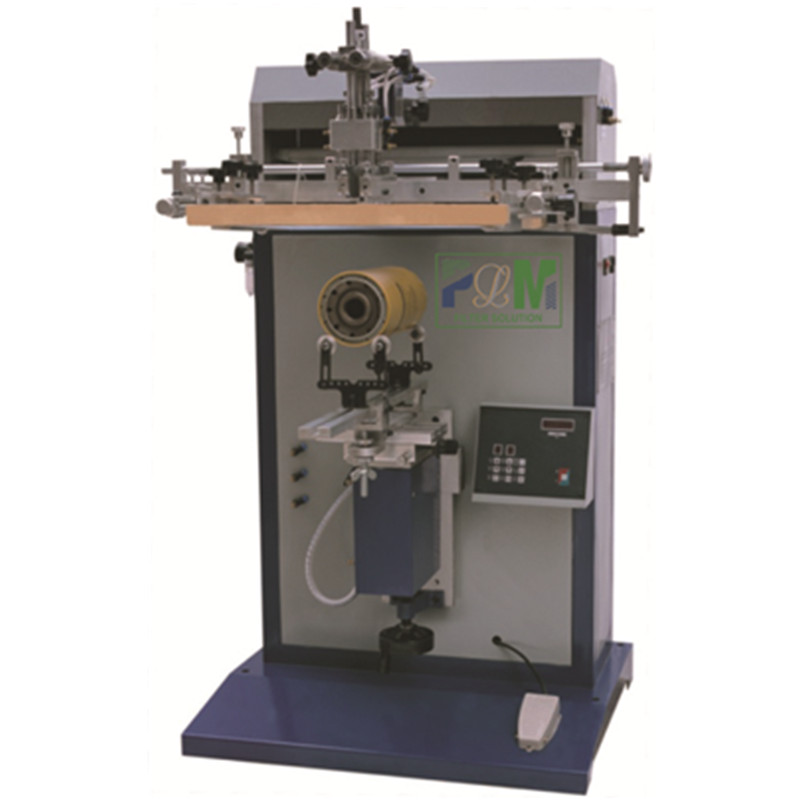
If you’re building or upgrading a line, you’ll inevitably run into the printing step—brand marks, micron rating, batch codes. That’s where the Pp Spun Filter Cartridge Making Machine discussion usually turns to a dependable silk printer. In fact, the PLSC-400 Silk Printing Machine 106 has become a bit of a quiet workhorse in workshops I’ve visited—simple setup, stable registration, and the kind of repeatability production managers like.
A modern Pp Spun Filter Cartridge Making Machine line typically runs like this: PP resin → melt-blown fiber formation (graded density) → thermal bonding and annealing → trimming/cutting → end-cap heat welding → leak/integrity checks → surface cleaning → silk printing/marking → packing. The PLSC-400 handles the printing stage on cylindrical cartridges after QC—usually post-drying to keep inks happy.
| Model | PLSC-400 Silk Printing Machine 106 |
| Cartridge length range | 10–40 in (≈254–1016 mm) |
| Diameter handling | 60–120 mm with quick-change mandrels |
| Printing speed | up to ≈600–900 pcs/hour, depending on artwork and ink |
| Registration repeatability | ±0.5 mm (typical) |
| Ink system | Solvent or UV-curable; PP-primed inks recommended |
| Power/air | AC 220–380 V; 0.4–0.6 MPa air |
| Origin | East of Anping County, Hengshui City, Hebei Province, China 053600 |
Upstream, the Pp Spun Filter Cartridge Making Machine portion uses PP homopolymer (FDA 21 CFR 177.1520 compliant) melt-blown into a density gradient. Typical micron ratings: 1–100 µm. For performance validation, producers I know reference ISO 16889 (multi-pass) for efficiency, ISO 2941 for collapse/burst, and NSF/ANSI 61 when targeting potable water. Printing durability is often checked with ASTM D3359 (cross-cut) and a 200-rub alcohol wipe test—on a recent line we saw 4B–5B adhesion with a PP adhesion promoter. Service life? End users report 1–3 months in light municipal polishing, or a few days in viscous, high-load chemical prefilters. Always depends on ΔP limits and media density.
| Vendor | Origin | After-sales | Custom Jigs | Certs | Lead Time |
|---|---|---|---|---|---|
| MFilter Solution (PLSC-400) | Hebei, China | 48–72 h response, remote video | Yes, diameter 60–120 mm+ | CE; ISO 9001 at plant | ≈20–30 days |
| Local Integrator | Regional | Same-day onsite (paid) | Limited SKUs | Varies | 1–8 weeks |
| Generic Import | Mixed | Email only | No | Unknown | Uncertain |
Customization usually means odd-length cartridges (e.g., 9.75 in) and multilingual wraps. One buyer told me, “We swapped to UV ink, and curing in-line shaved a shift off our weekly backlog.” Another liked the simple fixture for 2.5 in vs 4.5 in “big blue” sizes. To be honest, the value is in the jig library.
A Southeast Asian water OEM added a PLSC-400 to a two-extruder Pp Spun Filter Cartridge Making Machine line. Result: print scrap dropped from 4.2% to 1.1% after switching to a PP adhesion promoter and standardized squeegee pressure; artwork changeover averaged 2.7 minutes over 50 runs. Small tweaks, real gains.
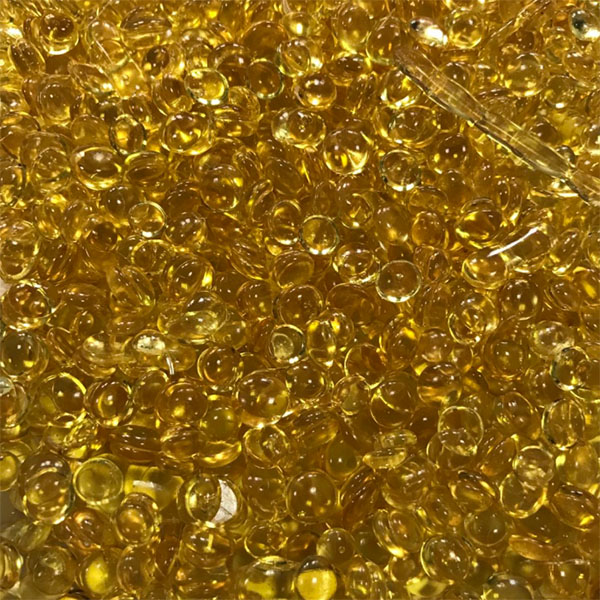
High-Performance Hot Melt Adhesive for Automated Production Lines

Mann+Hummel combifilter testing shows reduced pollutants