The Quiet Revolution of the Coffee Paper Filter: More Than Just a Brew
If you’ve ever savored a perfectly brewed cup of coffee, chances are a humble coffee paper filter did a lot of the heavy lifting. These seemingly simple devices have quietly transformed not only our morning ritual but also the global coffee industry, driving sustainability, flavor clarity, and even humanitarian efforts worldwide. Yet, understanding the coffee paper filter’s role is more than just knowing how to make better coffee—it’s about how this small innovation touches markets, culture, and even ecology.
Over the next few minutes, let’s break down what a coffee paper filter really is, why it matters globally, and how it’s far bigger than your kitchen countertop.
Global Context: Brewing Sustainability and Quality at Scale
Worldwide, the coffee market supports over 125 million people, according to the International Coffee Organization, and the demand for premium coffee is only growing. From Jakarta's bustling cafes to Seattle’s hip outlets, the coffee paper filter acts as a dependable barrier, ensuring clarity and cleanliness in every pour-over or drip brew.
Interestingly, the global push for sustainability touches coffee production and consumption deeply. For example, the use of biodegradable coffee paper filters addresses mounting concerns over plastic waste related to single-use pods and metal filters. The coffee paper filter industry is now at a crossroads: how can it meet rising demand without increasing environmental harm?
The challenge seems straightforward—deliver purity in coffee, but with minimal ecological footprint. But as anyone who’s attempted to scale a sustainable product line knows, it’s trickier than it sounds.
Defining the Coffee Paper Filter
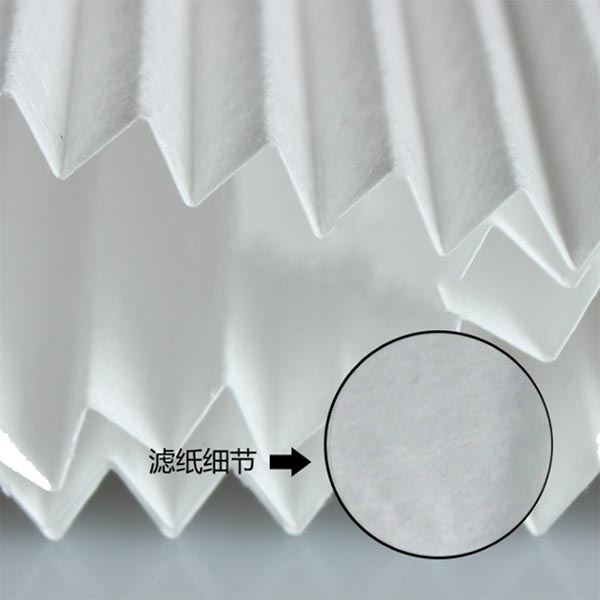
At its core, a coffee paper filter is a thin, porous sheet, typically made from natural fibers like bleached or unbleached wood pulp, designed to trap coffee grounds while allowing hot water and flavor compounds to pass through. Its simplicity masks a sophisticated balance of filtration efficiency, durability, and flavor preservation.
Beyond your kitchen, coffee paper filters are essential components in commercial coffee machines and even certain medical or industrial filtration processes, where fine particulate removal is critical.
Key Components and Factors That Define Quality
1. Material Composition
The majority of coffee paper filters are made from cellulose fibers sourced from sustainable forests. The debate between bleached vs. unbleached taps into concerns about taste impact and ecological footprint, with many coffee aficionados opting for unbleached filters for a more “natural” brew.
2. Filtration Efficiency
This refers to the filter’s ability to hold back oils and micro-particles that could cloud your coffee. Filters with fine pores result in a cleaner cup, though some coffee lovers feel that oils contribute to richness, so it’s a balancing act.
3. Durability & Wet Strength
Wet filters need to retain their form during brewing. If the filter weakens and tears, you're in for a muddy mess—and a sad caffeine fix. Manufacturers now enhance strength with FDA-approved binders, which don’t compromise flavor.
4. Size and Shape
While round and cone shapes dominate retail bins, industrial brewers often require custom sizes. This factor influences extraction time, efficiency, and consumer convenience.
5. Environmental Impact
The push for biodegradability and compostability is reshaping production techniques. Many newer filters avoid chlorine bleaching and use renewable energy in manufacturing.
6. Cost Efficiency
Interestingly, while paper filters add to brewing costs compared to reusable metal filters, their environmental benefits and flavor profile often justify the spend.
Mini takeaway: A coffee paper filter is much more than a disposable sieve—it is a delicate yet durable piece of engineering crafted for optimal taste, sustainability, and consumer experience.
Practical Applications Around the Globe
The reach of coffee paper filters expands well beyond daily household brewing. In commercial settings—cafes, restaurants, and even airlines—filters ensure consistency and hygiene. In regions like Latin America and East Africa, where coffee is not only a beverage but a crucial export commodity, paper filters help small-scale producers maintain quality standards to compete globally.
Oddly enough, in some humanitarian emergency kits, portable coffee makers equipped with paper filters serve double duty—offering both a morale boost and a method to encourage boiling water safety during relief operations.
Product Specification Table: Typical Coffee Paper Filter
| Specification |
Typical Value |
| Material |
Bleached/unbleached cellulose fibers |
| Pore Size |
20-30 microns |
| Thickness |
0.2-0.25 mm |
| Wet Strength |
>1.5 N/cm² |
| Biodegradability |
Compostable within 3 months |
| Shape |
Cone & round filters available |
Vendor Comparison: Leading Coffee Paper Filters
| Vendor |
Sustainability |
Price per 1000 |
Strength (N/cm²) |
Customization |
| GreenBrew Filters |
100% FSC Certified, chlorine-free bleached |
$50 |
1.8 |
Custom sizes & shapes |
| EcoCafe Filters |
Unbleached, compost certified |
$45 |
1.5 |
Standard cone & round only |
| PureBrew Solutions |
Recycled fiber blends, hybrid tech |
$55 |
2.0 |
Full customization & private labeling |
Advantages and Enduring Value of Coffee Paper Filters
- Cost-Effective Purity: Paper filters generally cost a bit more than metal mesh options, but they excel in removing bitter oils, resulting in more balanced, smoother coffee.
- Health & Safety: Unlike some reusable filters that may harbor mold if not cleaned properly, disposable paper filters assure hygienic single-use convenience.
- Environmental Promise: Using biodegradable, FSC-certified filters supports sustainable forestry and significantly reduces landfill waste.
- Flavor Profile Control: Connoisseurs swear by paper filters for a clear, bright cup, highlighting nuanced coffee notes.
- Trust & Convenience: Whether for a morning rush or a refined tasting event, paper filters deliver reliable performance every time.
In sum, paper filters are more than a convenience. They reflect a blend of innovation, respect for nature, and a commitment to delivering consistent quality for consumers everywhere.
Looking Ahead: The Future of Coffee Paper Filters
Sustainability trends will push manufacturers to embrace fully chlorine-free pulp bleaching, enhanced compostability, and perhaps innovations like embedded sustainable flavor enhancers or natural enzymes to improve filtration. Automation in packaging and precision manufacturing will improve customization and reduce waste.
Moreover, the rise of smart coffee machines might integrate sensors detecting filter quality and freshness, nudging consumers to swap filters timely for superior brews. And with renewable energy powering more factories, the carbon footprint will continue to shrink.
Challenges & What’s Brewing in Solutions
Despite their advantages, coffee paper filters face hurdles like cost fluctuations due to pulp availability and occasional consumer misconceptions that paper filters remove "too much flavor." Biodegradability also demands careful disposal infrastructure—simply tossing filters in non-compost bins wastes potential.
Experts advise educating consumers about composting and investing in circular economy models. Advances in fiber processing also look promising to reduce reliance on virgin materials.
FAQ: Commonly Asked Questions About Coffee Paper Filters
- How do coffee paper filters affect the taste of my coffee?
- Paper filters trap oils and fine grounds, producing a clean and bright cup with fewer bitter notes. For creamier or heavier body, metal filters might be preferable, but many find paper filters enhance subtle coffee flavors.
- Are all coffee paper filters biodegradable?
- Most high-quality coffee paper filters are compostable within a few months, especially unbleached varieties. However, some cheaper filters may contain chemicals or plastics, so always check packaging or opt for FSC-certified products.
- Can I reuse a coffee paper filter?
- It's generally not recommended, as paper filters lose strength when wet and can impart off-flavors or harbor bacteria after reuse. For sustainability, composting after single use is preferred.
- What sizes and shapes are common for paper filters?
- Round and cone shapes dominate, fitting specific drippers like Chemex (cone) or Melitta (round). Size varies from single-cup to commercial batches, and some vendors offer custom shapes for industrial brewers.
- Where can I buy sustainable coffee paper filters in bulk?
- There are various suppliers offering bulk and customizable filters. For trusted options, visit platforms like mfiltersolution.com for sustainability-certified solutions.
In Conclusion: Why the Coffee Paper Filter Matters Beyond the Cup
The coffee paper filter, unassuming as it may seem, serves a multifaceted role: enhancing flavor, promoting sustainability, and supporting global industry standards. Its future looks poised toward ever-greater environmental stewardship and technological integration.
Whether you are a barista, a business, or simply a coffee lover, appreciating the humble paper filter connects you to a worldwide movement—one that blends taste, responsibility, and innovation in every brew. For further insights and sourcing sustainable options, visit our website and explore how coffee paper filters can revolutionize your coffee experience.
References:
- International Coffee Organization (ICO)
- Coffee filter - Wikipedia
- Forest Stewardship Council (FSC) Standards