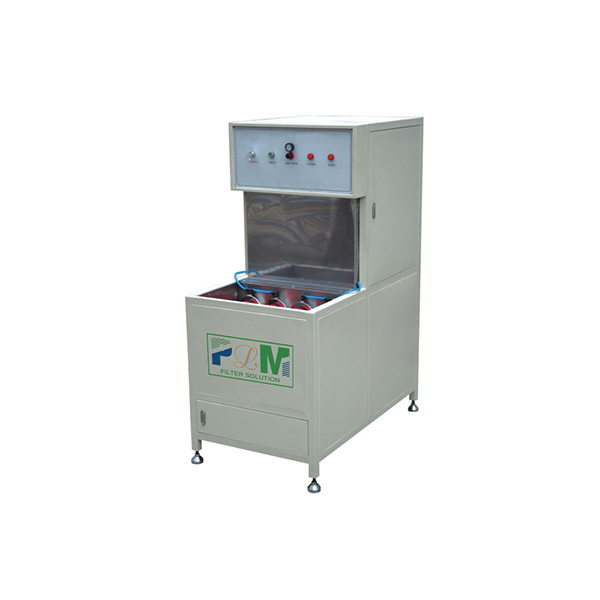
Understanding the High Quality Auto Cleaning Filter: Why It Matters
In our fast-evolving industrial landscape, the high quality auto cleaning filter is quietly becoming a vital piece of equipment — yet many don’t stop to consider why it holds such global importance. No matter if you’re in manufacturing, environmental management, or humanitarian relief, clean filtration affects health, productivity, and sustainability. At its core, these filters provide a more reliable, efficient way to keep systems free of contaminants without the hassle of frequent service interruptions.
Why should anyone outside of technical circles care? The key benefits ripple out: reducing downtime, extending equipment life, improving safety, and even cutting energy use. Plus, as stricter environmental standards kick in worldwide, these filters are playing a bigger role in meeting compliance and protecting ecosystems.
Introduction: The Global Context of Auto Cleaning Filters
According to data from the International Organization for Standardization (ISO), industrial filters contribute significantly to energy savings and emissions reductions. Globally, industries lose billions annually due to inefficient filtration that leads to equipment failure or pollution. It’s not just factories, either — water treatment plants, power stations, and even transportation hubs depend on robust filtering solutions.
Oddly enough, the challenge is balancing thorough cleaning capabilities with minimal maintenance. Traditional filters often clog or degrade quickly, leading to costly downtime. Enter the high quality auto cleaning filter: designed to clean itself without stopping operations — a game-changer in many sectors.
What Is a High Quality Auto Cleaning Filter?
Simply put, a high quality auto cleaning filter is a specialized filtration system that removes particles automatically without manual intervention. It continuously cleans itself by mechanisms like backflushing or using air pulses, ensuring optimal performance. Think of it as a very diligent gatekeeper that never sleeps and keeps contaminants from passing through while avoiding clogs.
In modern industries, this means less downtime, less labor, and often smarter integration with automation controls. In humanitarian efforts, where water purity or dust control can be life-saving, these filters are indispensable. Without them, systems can fail or deliver ineffective filtration at critical moments.
Core Components of a High Quality Auto Cleaning Filter
Durability
These filters must withstand harsh environments — from chemical plants to remote mining sites. Materials like stainless steel or specialized polymers resist corrosion and abrasion. Durability means fewer replacements and less waste, benefitting operations and the environment alike.
Scalability
They come in various sizes and configurations, from small units for localized use to large industrial setups handling thousands of gallons per hour. This flexibility lets companies tailor filtration to exact needs rather than overinvesting or compromising on quality.
Cost Efficiency
Auto cleaning filters reduce labor costs by slashing manual maintenance. Long filter lifespans and energy-efficient cleaning cycles drive down operational costs. The upfront investment pays back quickly when you factor in fewer outages and repairs.
Reliability and Automation
Integration with IoT sensors and automated systems ensures filters clean exactly when needed — neither too early nor too late. This precision extends filter life, avoids sudden failures, and opens doors to smart monitoring dashboards.
Environmental Compliance
High quality filters help industries meet increasingly strict emission and contamination norms globally. Their efficient particle retention lowers pollutant release, contributing to healthier communities and ecosystems.
Global Applications & Use Cases
- Manufacturing and Chemical Plants: Continuous filtration improves production efficiency and worker safety.
- Water Treatment: In regions with water scarcity, automatic cleaning ensures steady supply of clean water with minimal waste.
- Mining and Construction: Filters combat dust pollution, safeguarding equipment and reducing respiratory hazards.
- Disaster Relief Efforts: Mobile filtration units with auto cleaning protect vulnerable populations from contaminated water and air.
For example, in Southeast Asia’s flood-prone zones, NGOs deploy self-cleaning filters to maintain clean water supplies amid disrupted infrastructure, which frankly can be the difference between health and outbreak of disease.
Advantages and Long-Term Value
The benefits here are both tangible and subtle. On the practical side: lower maintenance requirements, improved energy consumption, and longer equipment life translate into direct savings. But there’s also an emotional dimension — the trust that systems won’t fail unexpectedly, the confidence of workers using safer facilities, and the innovation edge companies gain by embracing advanced filtration tech.
From sustainability perspectives, less waste and emissions contribute to global climate goals, aligning with frameworks like the Paris Agreement. Overall, investing in a high quality auto cleaning filter just makes sense — today and tomorrow.
Future Trends & Innovations
Going forward, we see exciting innovations: smart sensors enabling predictive maintenance, filters made from bio-based or recycled materials, and integration with renewable energy sources for fully green filtration plants. Automation will get even smarter, and compact designs will open doors for applications in urban air quality control and inside electric vehicles.
Common Challenges and How to Overcome Them
No technology is perfect. Some current hurdles include adapting filters to extremely fine particulates without frequent clogging, upfront capital costs, and the need for technician training. However, leading vendors are addressing these with modular designs, leasing models, and user-friendly digital interfaces.
When choosing a supplier, it’s wise to consider long-term support, customization options, and proven track records.
Product Specification Table
| Specification |
Details |
| Filter Type |
Backflushing Self-Cleaning |
| Material |
316 Stainless Steel |
| Filtration Rating |
10 - 100 microns (customizable) |
| Flow Rate Capacity |
Up to 5000 L/min |
| Automation Features |
IoT-enabled cleaning cycle control |
| Operating Temperature |
-20°C to 120°C |
Vendor Comparison Table
| Feature |
Vendor A |
Vendor B |
Vendor C |
| Automation Level |
Full IoT integration |
Semi-automated |
Manual override |
| Cost (USD) |
$12,000 - $18,000 |
$9,000 - $13,000 |
$7,000 - $11,000 |
| Warranty |
3 years |
2 years |
1 year |
| Customization |
High |
Medium |
Low |
Frequently Asked Questions About High Quality Auto Cleaning Filters
- How does an auto cleaning filter differ from conventional filters?
- Unlike traditional filters that require manual cleaning or replacement, auto cleaning filters clean themselves continuously or at scheduled intervals using methods like backflushing. This reduces downtime and maintenance costs, which is crucial in industries where continuous operation is necessary.
- Can these filters be used with liquids other than water?
- Yes, many high quality auto cleaning filters are designed to handle various liquids, including oils, chemicals, and slurries. Material construction and filtration rating should be matched to the specific media for optimal performance.
- What maintenance do auto cleaning filters still require?
- Though self-cleaning reduces manual effort, periodic inspection of the cleaning mechanism and replacement of worn parts is necessary to maintain efficiency. Most reputable vendors provide clear maintenance schedules.
- Are auto cleaning filters environmentally friendly?
- Generally, yes. By reducing water and energy use and decreasing waste from disposable filter elements, these filters support sustainability goals. Additionally, fewer hazardous materials are handled during maintenance.
- How can I select the right filter size for my application?
- Filter sizing depends on flow rates, particle size distribution, and operation environment. Consulting with a specialist is wise. Companies like ours help tailor solutions based on your needs. You can also explore more about high quality auto cleaning filter options directly.
Conclusion and Call to Action
Ultimately, embracing a high quality auto cleaning filter unlocks long-term benefits across reliability, cost savings, compliance, and environmental stewardship. Whether in large-scale manufacturing or critical water treatment, investing in these filters feels like a strategic step toward smarter, cleaner operations.
Ready to upgrade your filtration system? Visit our website today: https://www.mfiltersolution.com to explore top-tier options tailored to your industry’s unique needs.
Mini takeaway: The high quality auto cleaning filter isn't just a filter; it’s a continual commitment to operational excellence and environmental responsibility.
References:
1. ISO, “Industrial Filters and Filtration — Standards and Applications,” iso.org
2. United Nations Environment Programme, “Cleaner industrial production,” unep.org
3. Water Quality Association, “Principles of Automatic Filters,” wqa.org