Understanding Ashless Filter Paper: Why It Matters Globally
At first glance, ashless filter paper might seem like a small detail in the huge machinery of industry or science. Yet, this humble material quietly underpins some of the most critical processes worldwide, from environmental monitoring to pharmaceutical quality control. Simply put, ashless filter paper provides a clean, reliable way to separate impurities from liquids without leaving any residue behind — something absolutely essential when precision matters.
Why does this matter on a global scale? Well, in a world increasingly focused on sustainability, safety, and quality assurance, having dependable, residue-free filtration impacts industries ranging from water treatment to food safety. According to the International Organization for Standardization (ISO), stringent testing standards often call for filtration methods that won't interfere with chemical analysis. Ashless filter paper ticks all the boxes, helping labs and manufacturers worldwide maintain integrity and trust.
Mini takeaway:
Ashless filter paper is a small but mighty player in global quality and safety efforts, enabling cleaner, more accurate filtration across multiple industries.
What Is Ashless Filter Paper?
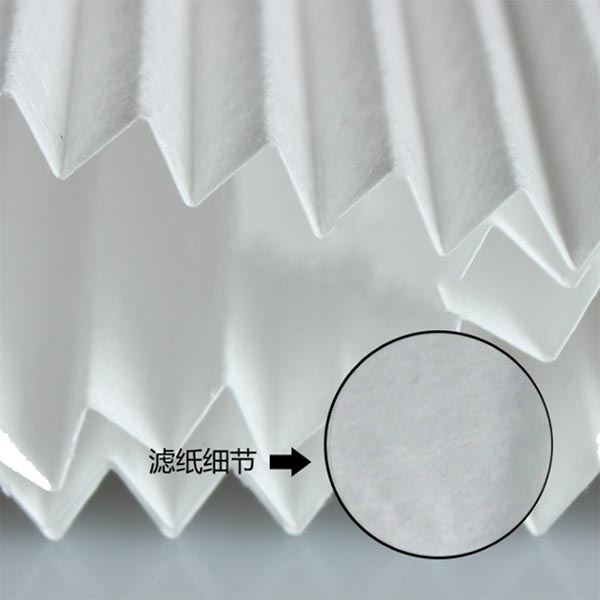
Put simply, ashless filter paper is a type of cellulose-based filter paper designed to burn off completely without leaving any ash residue. That means after incineration — a common step in analytical processes — all that's left is pure, clean filtration evidence, with none of that pesky residue clouding results or contaminating samples.
In modern contexts, this quality is crucial. Whether it’s in medical labs needing absolute purity for tests or environmental agencies assessing pollutants, ashless filter paper ensures that the material collected on the paper is the only thing analyzed. You could say it’s the "ghost" of filter papers — it does its job invisibly and departs without a trace.
Oddly enough, the rise of more precise scientific methods has made this paper not just useful but almost essential. In humanitarian contexts — think water quality testing in disaster zones or remote clinics — ashless filter papers provide a dependable, reproducible way to assess contaminants without sophisticated equipment.
Key Factors & Core Components of Ashless Filter Paper
1. Purity & Residue-Free Combustion
The defining feature is that it burns without leaving ash. Typically, this paper is treated to remove mineral impurities, making it ideal for gravimetric analysis where residue can otherwise cause significant errors.
2. Filtration Efficiency
Many grades exist, ranging from coarse to fine pore sizes (roughly 2 to 20 microns), meaning you can tailor filtration speed and precision to your needs — whether filtering particulate matter or capturing fine solids.
3. Mechanical Strength
While thin, reputable ashless papers hold up well during filtration, soaking, and vacuum processes. Engineers often praise their resistance to tearing and their balance of flexibility and durability.
4. Chemical Compatibility
Because the paper is pure cellulose with minimal additives, it generally performs well with a broad spectrum of reagents and solvents, a must for labs and industries using acidic or alkaline samples.
5. Cost & Availability
Manufacturers balance quality with economics, so prices vary depending on grade and origin — though sourcing from trusted vendors ensures consistent performance.
| Spec Parameter |
Value |
| Pore Size Range |
2 to 20 μm |
| Ash Content |
≤ 0.01% |
| Thickness |
120–250 μm |
| Material |
Pure cellulose fiber |
| Typical Applications |
Gravimetric analysis, environmental testing, pharmaceuticals |
Mini takeaway:
Understanding these core factors helps select the right ashless filter paper grade tailored to specific filtration challenges.
Global Applications and Use Cases
From water quality testing in remote regions to pharmaceutical labs in Europe, ashless filter paper is ubiquitous. For instance, agencies like the United Nations Water program rely on clean, residue-free filtration to track pollution trends—a matter critical for public health worldwide.
In industrial zones across Asia and Africa, where resources are sometimes scarce, batches of ashless filter paper serve frontline laboratories and testing centers. Without these papers, it’s tough to guarantee water or air purity, potentially impacting millions.
One notable example: after the 2015 Nepal earthquake, several NGOs used ashless filter paper to monitor water contamination in field hospitals and camps. The ability to filter contaminants efficiently without interference helped teams prioritize resources and prevent disease outbreaks.
Mini takeaway:
These papers aren’t just “lab supplies” — they underpin critical health, safety, and industrial operations globally.
Advantages and Long-Term Value of Ashless Filter Paper
- Precision & Reliability: Ensures accurate analytical results due to minimal interference.
- Sustainability: Made primarily from renewable cellulose; incineration leaves minimal pollutant ash.
- Cost-Effective: Reduces the need for repeated testing or validation due to contamination issues.
- Trust & Safety: Embodies quality, supporting industries where safety cannot be compromised.
- Emotional Value: For field workers and scientists alike, dependable materials like this build confidence and a sense of dignity in their work.
Looking Ahead: Future Trends & Innovations
Interestingly, there’s growing interest in integrating nanomaterials with ashless filter paper to improve filtration efficiency without compromising purity. Advanced filters embedded with nano-scale fibers could open new doors in water treatment or microplasma filtration.
Also, with rising environmental regulations, manufacturers aim to produce greener papers using more sustainable processes and recycled fibers without losing ashless properties. Digital transformation means more labs can share data instantly, pushing for standardized quality management protocols that feature paper filtration as a key quality control step.
Mini takeaway:
The journey of ashless filter paper is far from over — innovation continues both in materials science and real-world utility.
Challenges & Practical Solutions
Of course, not all is perfect. One frequent limitation is the balance between strength and porosity: finer pores can break easier or slow filtration too much. Also, in highly acidic environments, some papers degrade faster than desired.
Experts recommend careful grade selection and sometimes pairing ashless paper with newer membranes or pre-filters to extend life and optimize throughput. Additionally, storing paper in humidity-controlled environments preserves quality and reduces contamination risks.
Quick FAQ: Practical Questions About Ashless Filter Paper
- Q: How do I choose the right pore size for my filtration needs?
A: It depends on the particle size you want to capture. Coarser pores filter faster but catch larger particles; finer pores capture smaller solids but slow down filtration times. Knowing your sample's characteristics helps guide the choice.
- Q: Is ashless filter paper reusable?
A: Usually, no. Because it’s cellulose-based and designed to incinerate residues, reusing may cause contamination or paper breakdown.
- Q: Can I use ashless filter paper with organic solvents?
A: Generally yes, but check compatibility since strong solvents (like acetone) might weaken the paper. Always consult technical data sheets.
- Q: What should I do if I need large quantities quickly?
A: Contact reliable vendors ahead of time and specify grade and sizes; many suppliers offer fast turnaround for bulk orders.
Vendor Comparisons: Trusted Suppliers of Ashless Filter Paper
| Supplier |
Quality Grade |
Price Range (USD) |
Delivery Time |
Customer Support |
| Alpha Filters |
High Purity |
$150–$250 per 100 pcs |
1-2 weeks |
24/7 Phone & Chat |
| Beta Lab Supplies |
Standard Ashless |
$120–$200 per 100 pcs |
2-3 weeks |
Email only |
| Gamma Scientific |
Premium Ashless |
$180–$280 per 100 pcs |
1 week |
Dedicated Account Manager |
Conclusion: The Unsung Hero in Clean Filtration
If you’ve made it this far, I hope it feels clear how ashless filter paper quietly but powerfully supports labs, industries, and humanitarian efforts worldwide. Its purity, reliability, and adaptability make it indispensable for accurate, trustworthy testing. For anyone involved in filtration or quality assurance, understanding its nuances really pays off.
Ready to explore quality ashless filter papers for your projects? Visit our website: https://www.mfiltersolution.com to find reliable products and expert advice tailored for your needs.
Sometimes the smallest tools facilitate the biggest impacts — ashless filter paper is surely one of them.
References
- ISO Standard on Laboratory Filter Papers
- United Nations Water Program
- Filter Paper Wikipedia