Understanding Bulk Air Filter Material: What It Is and Why It Matters
Bulk air filter material—a term that might sound a bit clunky or technical at first—is actually something pretty vital. Think about all the bustling factories, hospitals, offices, and even the air-conditioning units in your home. They rely on these materials to keep the air clean, safe, and breathable. Globally, with urban air quality worsening and tighter industrial regulations, understanding bulk air filter material becomes a key part of tackling pollution and health risks. Plus, it’s not just about human comfort; these materials help protect sensitive machinery, extend equipment life, and even support humanitarian efforts.
In this article, we’ll explore what exactly bulk air filter material means, why it commands such global interest, its core features, practical uses, and what the future might hold. Along the way, I’ll point you to some neat internal resources like bulk air filter material to dig deeper.
Why Does Bulk Air Filter Material Matter Globally?
Air pollution is no longer a localized issue; it's a worldwide concern impacting health, economies, and climate. According to the World Health Organization (WHO), ambient air pollution accounts for approximately 4.2 million premature deaths annually worldwide. The industrial sector is a significant contributor, pumping out fine particulates and harmful gases. Here, bulk air filter materials — the core fabrics and media used in large volumes for filtration systems — become indispensable.
ISO and various environmental bodies have been advocating stronger filtration standards globally, which pushes demand for better, scalable, and cost-effective bulk air filter materials. Yet, challenges such as cost, supply-chain issues, and technology gaps remain. For countless industries, from pharmaceuticals to power plants, these materials form the frontline defense against harmful pollutants.
What Is Bulk Air Filter Material?
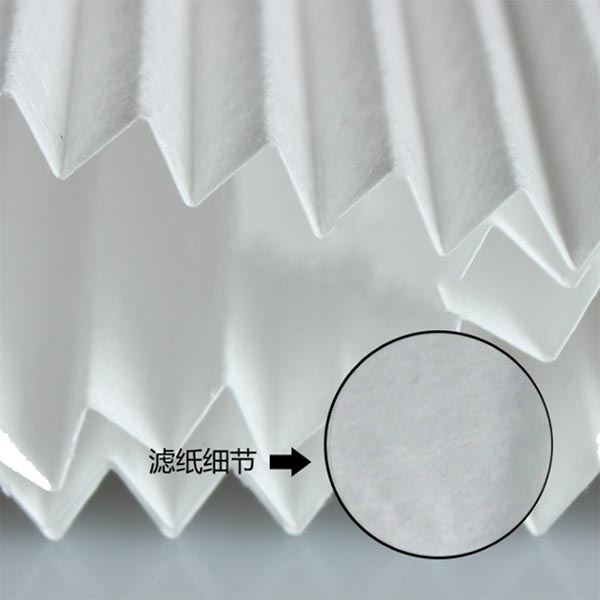
Simply put, bulk air filter material refers to the large-quantity fabric or media used to make air filters. This material can be fibrous mats, membranes, or composite layers designed to trap dust, bacteria, allergens, and even chemical pollutants from the air. It's not just one material but a category that includes polyester, fiberglass, cellulose, activated carbon, and more advanced synthetic blends. The "bulk" aspect usually denotes procurement or supply in large rolls or sheets—critical for industries that build filters at scale.
The tie to modern industry is straightforward: factories, data centers, and cleanrooms require consistent air quality to maintain operational integrity and regulatory compliance. Humanitarian efforts too lean on these materials; for example, in disaster relief camps, air filtration can ward off respiratory diseases by filtering dust and biological contaminants.
Core Components of Bulk Air Filter Material
1. Durability
The material must endure harsh conditions without degrading quickly. Industrial environments, especially, can be rough—exposure to chemicals, moisture, and temperature swings. Durability ensures filters don’t fail unexpectedly, which could risk health and operations alike.
2. Filtration Efficiency
This is arguably the heart of any air filter. Materials must capture microscopically small particles, sometimes down to 0.3 microns or smaller, depending on usage. Efficiency ratings such as MERV (Minimum Efficiency Reporting Value) gauges this, influencing where a material fits best.
3. Cost Efficiency
Buying in bulk demands a balance—cost matters heavily, especially for large-scale facilities or municipalities. Material choices and manufacturing processes affect price, so innovation there helps keep filtration accessible.
4. Scalability and Availability
You can’t build a filter if the material isn’t reliably available. Global supply networks that can meet volume demand matter, and so does the ability to customize batch orders depending on needs.
5. Environmental Impact
Oddly enough, the filtration industry is seeing a big push towards sustainability. That means sourcing recyclable or biodegradable filter media and reducing waste inherent in filter replacement cycles.
Product Specification — Bulk Air Filter Material Example
| Specification |
Detail |
| Material Type |
Non-woven Polyester Fibers |
| Thickness |
10 mm |
| Filtration Efficiency |
95% @ 0.3 microns |
| Roll Size |
1.2 m x 100 m |
| Temperature Range |
-20°C to 75°C |
Global Applications and Use Cases
You can find bulk air filter materials silently working in factories in Germany, cleanrooms in South Korea, hospital HVAC units in Canada, and emergency relief camps in East Africa. For instance, in post-disaster relief operations, high-volume supplies of bulk filter material help NGOs set up clean air shelters rapidly, protecting vulnerable populations from pollution and airborne diseases.
In remote industrial zones, such as mining sites in Australia or oil rigs in the North Sea, rugged bulk filter materials filter out hazardous dust and chemical fumes, saving workers’ lungs and equipment alike. Even urban transit systems deploy bulk materials inside their filtration fabrications to maintain air quality underground.
Vendor Comparison on Bulk Air Filter Material
| Vendor |
Material Types Offered |
Pricing (per roll) |
Lead Time |
Sustainability Initiatives |
| FilterCo Global |
Polyester, Activated Carbon |
$180 |
2 weeks |
Recyclable packaging |
| CleanAir Materials |
Fiberglass, Synthetic Blends |
$160 |
1 week |
Biodegradable media |
| EcoFilters Inc. |
Natural fibers, Recycled Polyester |
$170 |
3 weeks |
Carbon-neutral production |
Advantages and Long-Term Value
When you buy and use quality bulk air filter material, you are investing in more than just air quality. There’s the straightforward cost efficiency—buying in bulk reduces price per unit and logistical headaches. You get reliability that protects people’s health and machines’ longevity, which frankly pays dividends over time by reducing downtime and maintenance.
There’s also a sustainability angle that’s growing every year. Companies embracing eco-friendly filtration media gain favor with regulators and customers alike—and they contribute, at least a little, to less waste and cleaner environments. Emotionally, knowing you’re breathing cleaner air—whether at work or in a relief camp—brings dignity and peace of mind, which are priceless.
Emerging Trends and Innovations
The filtration arena isn’t standing still. Innovations like electrostatic fibers, nanomaterial coatings, and bio-based filter media are emerging. Automation in manufacturing is speeding up production to meet sudden global surges in demand, as we saw during the 2020 pandemic.
In sustainability realms, filters made from recycled ocean plastics or biodegradable composites are no longer science fiction—they’re hitting the market. Plus, digital air quality sensors integrated with filtration systems give real-time performance insights, meaning facilities can precisely manage filter replacement schedules and improve energy efficiency.
Challenges and How the Industry Is Tackling Them
Despite all this, bulk air filter materials face challenges: supply chain fragility, variability in quality, and sometimes the environmental footprint of manufacturing. Experts recommend multi-sourcing and investing in R&D for greener materials as ways to ease these pains. For end-users, partnering with reputable vendors who provide certifications (like ISO 16890 for air filter performance) is crucial.
Frequently Asked Questions About Bulk Air Filter Material
- Q: What types of bulk air filter materials are best for industrial dust control?
A: Generally, non-woven polyester and fiberglass media are preferred for industrial dust due to their durability and high particulate capture efficiency. Coated or layered composites can also offer chemical resistance if needed.
- Q: How often should bulk air filter materials be replaced?
A: Replacement depends on usage intensity and environment, but typically every 3–6 months for industrial HVAC systems. Monitoring pressure drop across filters helps determine optimal timing.
- Q: Are there environmentally friendly options available?
A: Yes—materials made from recycled fibers, biodegradable composites, and filters designed for recycling are gaining traction. Always check supplier sustainability certifications.
- Q: Can bulk air filter materials be customized?
A: Absolutely. Many vendors provide custom thickness, density, and media blends to suit specific filtration grades or industrial requirements.
- Q: How does temperature affect filter material choice?
A: Temperature tolerance is vital. High-temp environments require materials like fiberglass or specialized synthetics, while milder conditions allow more cost-effective polyester blends.
Conclusion: Why Bulk Air Filter Material Is a Smart Investment
To wrap up, bulk air filter material is a cornerstone of modern air quality control worldwide. Its ability to filter pollutants at scale supports healthier workplaces, cleaner cities, and safer humanitarian efforts. Its benefits span tangible cost savings to intangibles like improved well-being and sustainability. If you’re involved in facilities management, procurement, or planning relief operations, paying attention to the quality and supply of these materials isn’t just smart—it’s essential.
To explore bulk air filter materials further and find reliable suppliers, visit https://www.mfiltersolution.com. Your air—and your people—will thank you.
It feels like with the right materials in place, we’re not just filtering air, but also filtering a safer, healthier future.
References
- World Health Organization: Ambient Air Quality and Health
- ISO 16890 Air Filter Testing and Classification
- Wikipedia: Air Filter