Understanding the Importance of Paper Coffee Filters
When you think about brewing a perfect cup of coffee, the humble paper coffee filter might not be the first thing that comes to mind. Yet, this simple component plays a pivotal role worldwide — both in daily routines and in a surprisingly broad industry spectrum. From helping coffee enthusiasts savor a clean taste to driving sustainable production processes, knowing your filters matters more than you might expect.
On a global scale, billions of cups are brewed every day, and the filter creates that crisp clarity we all enjoy in a drip or pour-over. Plus, with the coffee market expected to hit new heights by 2027 (according to Statista and the International Coffee Organization), the demand for reliable, eco-friendly filters is soaring. Yet, amid all this demand, there's a bigger environmental story behind how these filters are made, disposed of, and potentially innovated upon. Understanding paper coffee filters is truly an intersection of taste, technology, and sustainability.
Mini takeaway: Paper coffee filters are more than just brewing tools—they’re at the crossroads of quality coffee and global sustainability efforts.
Global Relevance: Why Paper Coffee Filters Matter
Picture this: across continents, coffee consumption links trends in agriculture, manufacturing, and even waste management. The ISO 14000 series on environmental management, along with global sustainability goals outlined by the United Nations, highlight the importance of reducing waste and promoting biodegradability. Paper coffee filters have a unique role here because, unlike plastic or metal alternatives, they are mostly biodegradable if disposed of properly. This helps lower microplastic pollution—a growing concern worldwide.
However, not all filters are created equal. Some may use bleached paper or other chemical treatments, raising environmental questions and consumer health concerns. It’s a challenge the industry is actively addressing—balancing performance, cost, and eco-friendliness.
Mini takeaway: Environmental responsibility in paper filter production is a growing global concern, pushing innovations toward sustainability.
What is a Paper Coffee Filter?
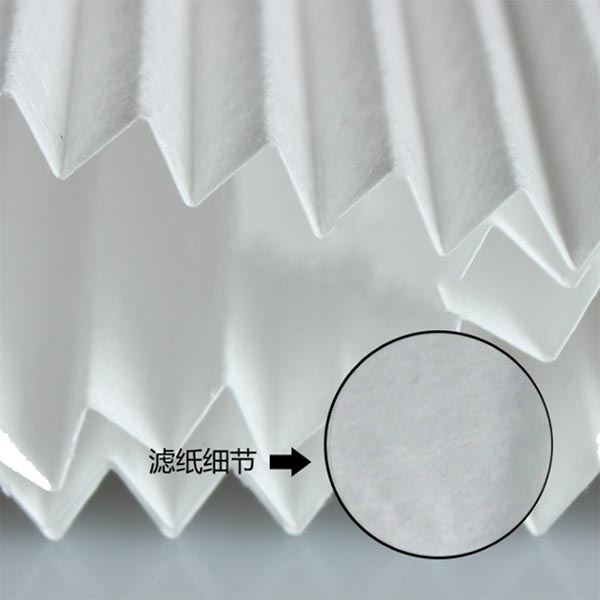
In simple terms, a paper coffee filter is a disposable, porous sheet made predominantly from wood pulp designed to hold coffee grounds while letting hot water pass through during brewing. It traps the grounds and oils that would otherwise muddy the cup, resulting in a cleaner, brighter coffee profile.
Beyond the kitchen, paper filters showcase the practical use of cellulose-based materials in disposable goods—connecting coffee lovers to broader industrial uses like medical filtration, food processing, and even humanitarian efforts where clean water filtration relies on similar principles.
Mini takeaway: A paper coffee filter is a simple but clever solution rooted in cellulose technology that spans culinary and industrial applications.
Key Components and Factors in Paper Coffee Filters
1. Material Composition
Most filters are made from bleached or unbleached virgin cellulose fibers, sometimes with added cotton. The choice affects flavor neutrality and biodegradability. Bleached filters offer a bright, clean look but raise environmental questions due to chemical use during processing. Unbleached variants lean more eco-friendly but might impart a slightly different taste.
2. Pore Size and Filtration Efficiency
The micro-porosity determines how finely the filter can strain out coffee particles and oils. A tight pore structure yields a crisp cup but can slow brewing time; wider pores speed things up but may allow sediment through. The balance is a key engineering aspect.
3. Strength and Wet Durability
Interestingly, paper coffee filters need to remain sturdy under hot, wet conditions without tearing or breaking down prematurely. This balance between wet strength and biodegradability challenges manufacturers to optimize fiber bonding and thickness.
4. Size and Shape Compatibility
Whether cone-shaped, basket style, or flat-bottom, filters must fit specific equipment sizes. This practical factor affects user experience and, frankly, coffee enjoyment. Nobody wants their filter folding in on itself mid-brew!
5. Environmental Impact
Today, sustainability drives innovation; sourcing from responsibly managed forests (FSC certification), minimizing chlorine use in bleaching, and designing filters that break down faster post-use are increasingly important.
Mini takeaway: Material choice, pore size, strength, design, and eco-impact are the main stuff that makes paper coffee filters work well and responsibly.
Product Specification Table: Typical Paper Coffee Filter
| Feature |
Description |
Typical Value |
| Material |
Bleached virgin cellulose pulp |
60–80 gsm (grams per square meter) |
| Pore Size |
Micro-porous structure |
10–30 microns |
| Wet Strength |
Resistant to tearing during brewing |
Meets ISO wet strength standards |
| Shape |
Cone, basket, or flat-bottom |
Standard sizes (#2, #4, #6) |
| Sustainability |
Biodegradable and compostable |
Usually within 3 months in composting |
Global Applications & Use Cases
The paper coffee filter has literally brewed a global footprint. Coffee shops in bustling metros use them daily, supporting local economies and farming communities. Meanwhile, in remote regions where electricity and machines are sparse, simple paper filters enable accessible brewing without complex tech.
Oddly enough, the filtration technology developed for coffee has parallels in humanitarian aid. For example, certain cellulose-based filters help purify water in post-disaster areas or refugee camps when clean water supplies are at risk. Paper coffee filter materials inspire these multilayer filtration systems used beyond the café.
Mini takeaway: Beyond the kitchen, paper-based filtering serves both everyday drinkers and critical humanitarian functions worldwide.
Vendor Comparison: Leading Paper Coffee Filter Brands
| Brand |
Material |
Sustainability |
Price Range (per 100) |
User Rating |
| Brand A |
Unbleached organic pulp |
FSC certified, compostable |
$15–20 |
4.6 / 5 |
| Brand B |
Bleached cellulose pulp |
Partially biodegradable |
$10–14 |
4.2 / 5 |
| Brand C |
Bleached, chemical-free |
Vegan, compostable |
$18–22 |
4.7 / 5 |
Advantages & Long-Term Value of Paper Coffee Filters
The benefits are layered – practical, environmental, emotional. From the practical side, they’re affordable and easy to use; from an environmental angle, they’re mostly compostable, encouraging reduced plastic waste. Emotionally, the ritual of brewing coffee with a paper filter can feel grounding—a sensory connection to the natural world.
Socially, adopting sustainable paper filters supports better forest management and labor practices in producing countries. You're not just making coffee—you’re supporting livelihoods and ecosystem health.
Mini takeaway: Paper coffee filters deliver reliable coffee clarity while fostering sustainability and social value.
Future Trends and Innovations
The future, frankly, looks bright and green. Manufacturers are experimenting with filters made from alternative fibers like hemp, bamboo, or even coffee plant waste. These materials promise better biodegradability and lower production footprints.
Automation and digital quality control are refining filtration consistency. Plus, some companies explore compost collection programs to close the circular loop. Given the coffee industry's commitment to sustainability, these innovations feel not just likely but necessary.
Mini takeaway: Innovations focus on eco-friendly materials, improved production, and circular sustainability in paper filter technology.
Challenges & Solutions in Using Paper Coffee Filters
It’s not all perfect. Some people worry about chlorine use in bleaching. Others find certain filters impart odd flavors or aren’t durable enough. Disposal habits also vary, meaning not all filters end up composted.
Solutions involve clear labeling, education on proper compost disposal, and adopting less chemically-intensive pulping methods. Many vendors now offer chlorine-free and unbleached options to address these concerns.
Mini takeaway: Challenges from chemical treatments to disposal are addressed through better materials, user education, and responsible industry practices.
FAQ: Frequently Asked Questions About Paper Coffee Filters
- Q: Are all paper coffee filters biodegradable?
A: Most are biodegradable if made from natural cellulose without synthetic additives, but composting conditions affect breakdown speed.
- Q: Does the type of paper filter affect coffee taste?
A: Yes, bleached filters tend to be neutral, while unbleached or recycled fibers may impart slight flavors.
- Q: Are paper filters better than metal or cloth filters?
A: It depends; paper filters offer cleaner taste and easy cleanup, whereas metal filters allow more oils but require washing.
- Q: How should I dispose of used paper coffee filters?
A: Ideally, compost along with coffee grounds unless your filter has synthetic coatings.
- Q: Can I find paper filters that fit specific coffee makers?
A: Yes, filters come in standard sizes and shapes to match popular brewers like drip machines or pour-over cones.
Conclusion
To wrap up, understanding paper coffee filters reveals more than a brewing accessory — it opens a window on sustainable production, global commerce, and everyday enjoyment. For anyone who loves coffee and cares for the planet, choosing the right filter is a small but meaningful act.
Interested in exploring top-tier paper coffee filters crafted with sustainability and quality in mind? Visit us at https://www.mfiltersolution.com to discover more.
Oddly enough, sometimes the simplest piece of paper can connect us to a complex world of taste, science, and responsibility. Coffee filtered, world bettered — one cup at a time.
- International Coffee Organization (ICO) Statistics: https://www.ico.org/
- United Nations Sustainable Development Goals: https://sdgs.un.org/goals
- ISO Environmental Standards: https://www.iso.org/iso-14001-environmental-management.html