Understanding the Importance of a High Quality PM2.5 Car Air Filter
The quality of the air we breathe inside our vehicles is often overlooked. Yet, in urban environments where pollution levels soar, especially from fine particulate matter known as PM2.5, having a high quality PM2.5 car air filter can make a significant difference. It’s not just about comfort; it’s about health, safety, and long-term well-being. Globally, air pollution is recognized by the World Health Organization as one of the leading risk factors causing premature death. Understanding how a robust car air filter combats this invisible threat underscores its relevance today.
Why Does This Matter Worldwide?
Cities around the world, from Beijing to Delhi, Mexico City to Los Angeles, are grappling with PM2.5 pollution levels that regularly break safety guidelines. According to the UN Environment Programme, outdoor air pollution causes nearly 4.2 million premature deaths worldwide each year. Among various solutions, better air filtration inside vehicles — where many people spend hours daily — serves as a frontline defense. It’s a simple step with outsized health benefits.
Mini takeaway: Air quality inside your car isn’t a luxury—it’s a necessity, especially in polluted urban centers.
What is a High Quality PM2.5 Car Air Filter?
Simply put, a high quality PM2.5 car air filter is a device designed for vehicle ventilation systems that captures ambient particulate matter smaller than 2.5 micrometers—about 30 times smaller than the width of a human hair. These tiny particles can penetrate deep into the lungs and bloodstream, causing respiratory issues, heart disease, and other health concerns. High quality filters use advanced materials and multi-layer designs to trap these ultrafine particles efficiently.
In modern automotive engineering, such filters play a crucial role not only in cabin comfort but in protecting occupants from hazards. In humanitarian and industrial settings, like emergency response vehicles or fleets operating in polluted zones, they become even more critical.
Core Components of a High Quality PM2.5 Car Air Filter
1. Multi-Layer Filtration Media
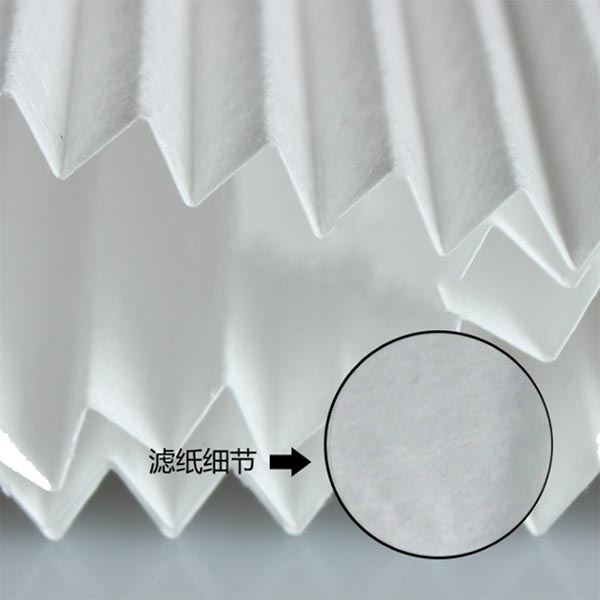
High quality filters often combine layers such as activated carbon, electrostatic fibers, and mechanical mesh — each optimized for catching different particle sizes and chemical contaminants. This layering drastically improves filtration efficiency.
2. Durable Frame and Seal
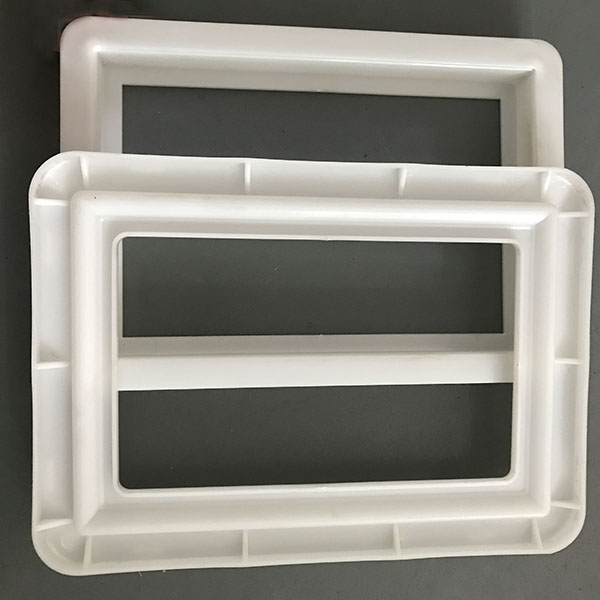
A good air filter isn’t just about what’s inside; it’s also about how well it fits. To prevent polluted air bypassing the filter, the frame and gasket sealing must be robust and resilient under heat and vibration.
3. Longevity and Maintenance Ease
Filters must maintain high efficiency over weeks or months without clogging dramatically or degrading. Easy replacement or cleaning options can extend usability while keeping costs manageable.
4. Compatibility and Scalability
Adapting filters to a wide range of vehicle models—ordinary sedans, taxis, delivery trucks—requires scalable designs. High quality filter vendors invest in customizable formats and adhering to automotive standards to meet this challenge.
Mini takeaway: The filter’s effectiveness depends as much on its design and materials as how well it fits your vehicle’s system.
Product Specification Table
| Specification |
Detail |
| Filtration Efficiency |
Up to 99.97% for PM2.5 particles |
| Dimensions |
Custom-fit for 90% car models |
| Material |
Activated carbon, HEPA-grade fibers |
| Service Life |
6–12 months (depends on environment) |
| Replaceability |
User-friendly snap-in design |
Global Applications and Use Cases
These filters find their way into numerous sectors worldwide. For example:
- Urban commuters: In megacities like Seoul and Mumbai, daily exposure to PM2.5 is a given; using high quality filters helps reduce chronic health risks.
- Emergency response vehicles: Disaster zones with dust, smoke, and chemical hazards demand superior filtration for first responders’ safety.
- Industrial fleets: Mining, construction, and manufacturing vehicles traverse high-particulate zones where filters preserve engine and cabin health.
- Ride-sharing services: Higher air quality translates to happier passengers and competitive advantage.
Oddly enough, in remote or developing regions, better filters are sometimes slower to penetrate the market despite the bigger impact — partly due to cost or awareness barriers.
Mini takeaway: Whether you’re stuck in city traffic or offroad in dusty terrain, these filters can make a surprisingly big difference.
Advantages and Long-Term Value
Beyond the obvious health benefits, investing in a high quality PM2.5 car air filter yields:
- Reduced respiratory problems: Lower risk of cough, asthma, and allergies for drivers and passengers.
- Engine protection: By filtering outside air entering the HVAC system, these filters also prevent particulate buildup in components.
- Cost savings: Longer service life and fewer health-related absences translate to tangible savings.
- Environmental impact: Sustainable materials and longer life spans mean less waste and resource use.
- Peace of mind: Knowing your vehicle’s air is clean builds trust and comfort.
Vendor Comparison Table: Top PM2.5 Car Air Filter Suppliers
| Feature |
MFilter Solution |
EcoAir Filters |
CleanCabin Tech |
| Filtration Efficiency |
≥99.97% |
≥99.9% |
≥99.8% |
| Material Composition |
Activated Carbon + HEPA Fibers |
HEPA + Natural Fibers |
Synthetic Fibers Only |
| Service Life |
Up to 12 months |
9 months |
6–8 months |
| Price Range |
$$ |
$$$ |
$ |
| Compatibility |
Universal & OEM fitment |
Limited models |
Mostly standard sedans |
Future Trends and Innovations
Looking ahead, the market is shifting in exciting ways. Innovations like nano-fiber coatings promise even finer particle capture without airflow resistance. Integration with digital sensors allows real-time air quality monitoring inside the cabin, triggering alerts or automatic filter adjustments. Also, there’s a rising focus on biodegradable materials and closed-loop recycling in filters, aligning with broader sustainability goals. As electric and autonomous vehicles become mainstream, air filtration could merge with HVAC controls and AI to finely customize passenger environments—oddly enough, bringing the cleanest air directly into our cars for years to come.
Challenges and Expert Solutions
Of course, challenges remain. A common issue is clogged filters reducing airflow and putting strain on ventilation systems. Some users neglect replacements or buy low-cost filters that do not meet standard efficacy. The solution? Educated consumers and suppliers emphasizing certification like ISO 5011 and adopting modular designs for easy maintenance help improve outcomes. Vendor support and warranty policies foster user confidence. You might say a well-informed driver is half the battle.
FAQ: Frequently Asked Questions About High Quality PM2.5 Car Air Filters
- How often should I replace my PM2.5 car air filter?
Ideally every 6 to 12 months depending on pollution levels and mileage. Heavy urban use may require more frequent changes.
- Can a PM2.5 filter protect against viruses or allergens?
While primarily designed for particulate matter, high quality HEPA-grade filters also reduce allergens and some airborne microorganisms. However, they’re not complete virus barriers.
- Are these filters easy to install myself?
Most high quality filters feature user-friendly snap-in designs tailored for easy replacement without professional help—though consulting your car manual is wise.
- Will upgrading my car air filter improve engine performance?
While the cabin filter mainly affects interior air quality, a clean filter can indirectly support HVAC system efficiency; engine filters are a separate component.
- Where can I find reliable high quality PM2.5 car air filters?
Trusted suppliers like MFilter Solution specialize in certified, OEM-compatible filters offering proven effectiveness.
Conclusion
At the end of the day, investing in a high quality PM2.5 car air filter is a wise move — for your health, your vehicle, and your peace of mind. With rising global pollution, cleaner cabin air isn’t just a convenience, it’s a vital component of sustainable urban living and smart mobility. Take action today because good air quality inside your car is an investment worth making.
Mini takeaway: Every breath counts — so choose your car air filter wisely.
References:
1. World Health Organization. Ambient (outdoor) air quality and health. (https://www.who.int/news-room/fact-sheets/detail/ambient-(outdoor)-air-quality-and-health)
2. United Nations Environment Programme. Emissions Gap Report 2023. (https://www.unep.org/resources/emissions-gap-report-2023)
3. ISO 5011:2014, Air filters for engines and compressors.