Feb . 24, 2026
Selecting the appropriate gluing machine is critical for optimizing production efficiency and product quality. With diverse applications across industries, from packaging and woodworking to bookbinding and automotive, understanding the nuances of these machines is essential. This guide will explore the various types of gluing machines, their applications, key considerations for selection, and how to ensure longevity and optimal performance. Investing in the right gluing technology can significantly impact your bottom line and competitive edge.
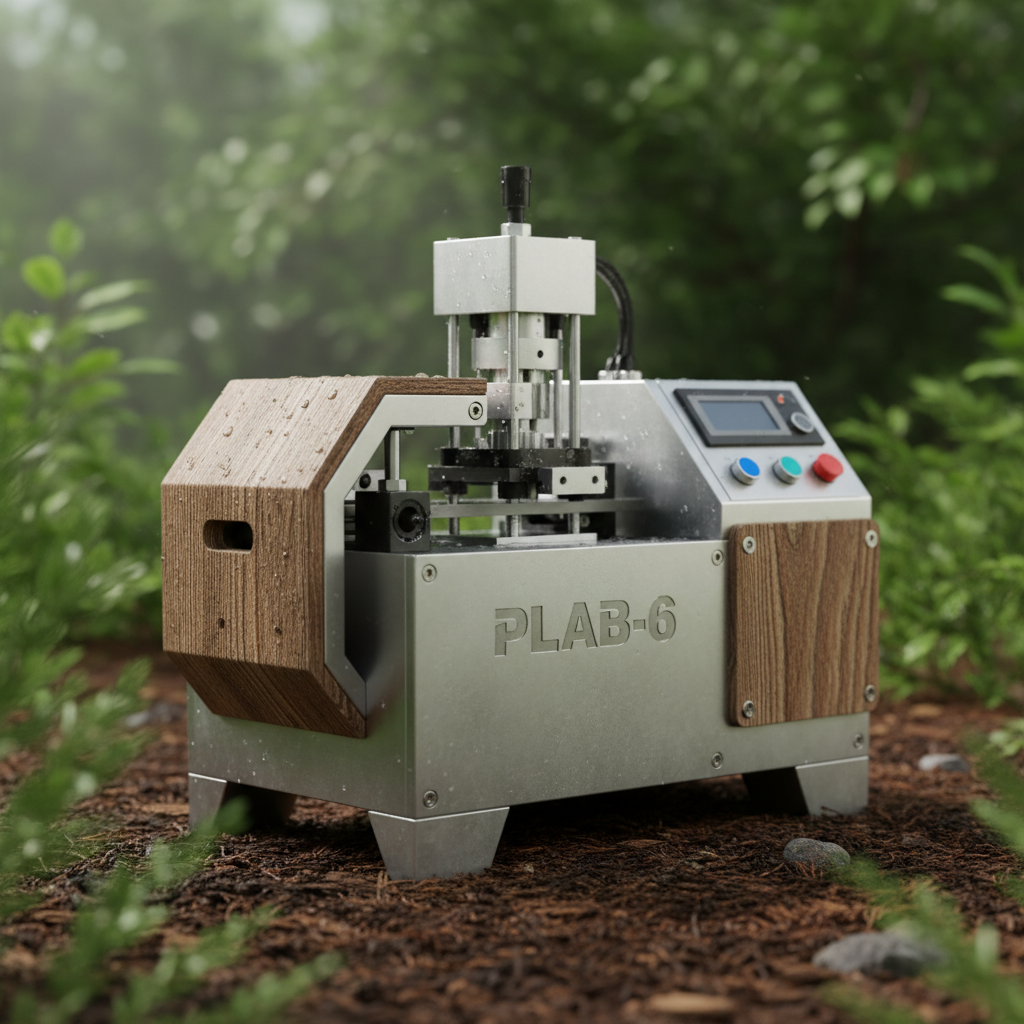
The market offers a wide array of gluing machines, each designed for specific applications. Common types include: hot melt gluing machines, perfect binding machines, edge gluing machines, and spray gluing machines. Hot melt machines are ideal for packaging, woodworking, and carton sealing, providing fast setting times and strong bonds. Perfect binding machines are predominantly used in the bookbinding industry, creating professional-quality books and magazines. Edge gluing machines are essential for laminating wooden panels, while spray gluing machines are used for applying adhesive to large, irregular surfaces. Understanding these differences is the first step in choosing the right machine for your needs.
Key Highlights: Different gluing machines excel in different applications, from rapid packaging to precise bookbinding. Selecting the right machine significantly impacts production speed, bond strength, and overall product quality.
Hot melt gluing machines are particularly popular due to their versatility and efficiency. They are widely used in packaging, woodworking, automotive, and product assembly. These machines melt thermoplastic adhesive into a liquid state, applying it quickly and creating a strong, instant bond. The benefits include rapid setting times, excellent adhesion to various materials, and ease of use. They are available in manual, semi-automatic, and fully automatic configurations, offering solutions for businesses of all sizes.
Hot Melt Machine Advantages:
• Fast setting times for increased production speed
• Strong and durable bonds
• Versatile for various materials
• Easy to operate and maintain
Choosing the right gluing machine requires careful consideration of your specific needs. Here's a comparison of common types to help you make an informed decision:
Regular maintenance is crucial for extending the lifespan and ensuring optimal performance of your gluing machine. This includes cleaning adhesive reservoirs, checking nozzles for clogs, and inspecting hoses for leaks. Following the manufacturer's recommendations for maintenance schedules is essential. Proper storage in a clean, dry environment also contributes to longevity. Routine inspections and timely repairs can prevent costly downtime and ensure consistent product quality.
Don't compromise on quality or efficiency – choose a gluing machine that empowers your business to thrive.
Several factors are critical when selecting a gluing machine. First, identify the specific materials you'll be gluing. Different adhesives work best with different substrates. Next, consider your production volume and the level of automation you require. Manual machines are suitable for low-volume production, while automatic machines are ideal for high-volume applications. Finally, assess your budget and ongoing maintenance costs. A robust and reliable machine with accessible parts and service will minimize downtime and long-term expenses.
The type of adhesive compatible with a gluing machine depends on the machine type and application. Hot melt machines use thermoplastic adhesives, while spray gluing machines utilize water-based or solvent-based adhesives. Perfect binding machines require specialized hot melt adhesives designed for bookbinding. Ensure the adhesive is compatible with the materials being bonded and meets the necessary performance requirements, such as bond strength and temperature resistance.
The frequency of maintenance depends on the machine's usage and the manufacturer's recommendations. Generally, daily cleaning of adhesive reservoirs and nozzles is essential. Weekly inspections should include checking hoses, belts, and other moving parts for wear and tear. Annual professional maintenance is recommended to ensure optimal performance and prevent major issues. Regular maintenance significantly extends the lifespan of the machine and minimizes downtime.
Mfiltersolution provides a comprehensive selection of replacement parts for various gluing machine models. We offer high-quality parts sourced directly from manufacturers, ensuring compatibility and reliability. Our knowledgeable support team can assist you in identifying the correct parts for your specific machine.
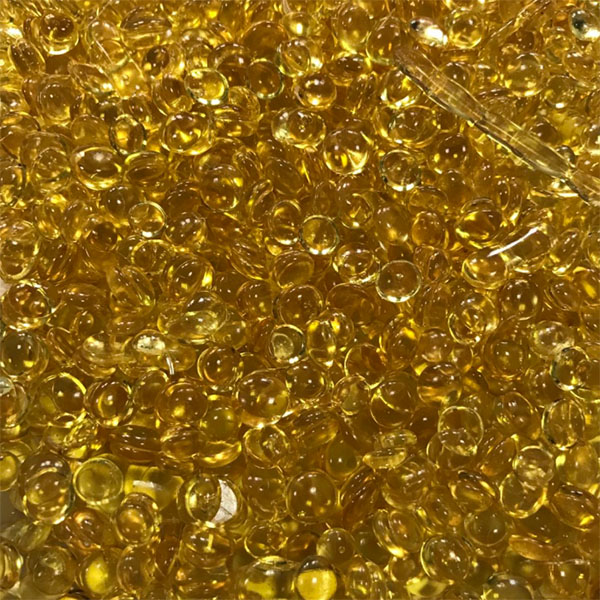
High-Performance Hot Melt Adhesive for Automated Production Lines
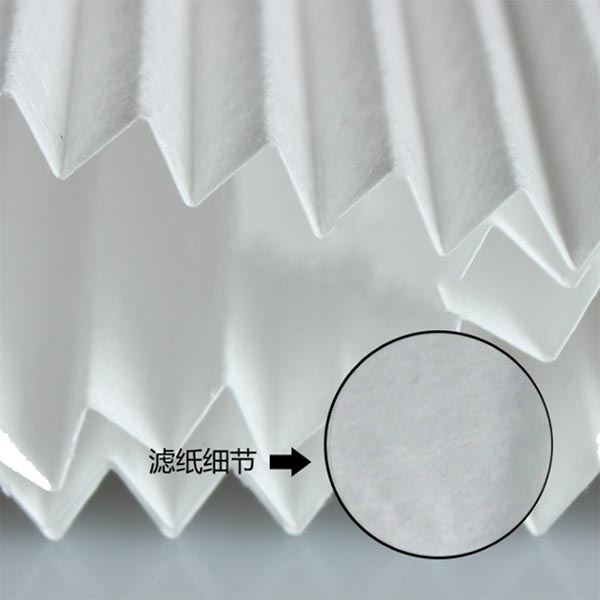
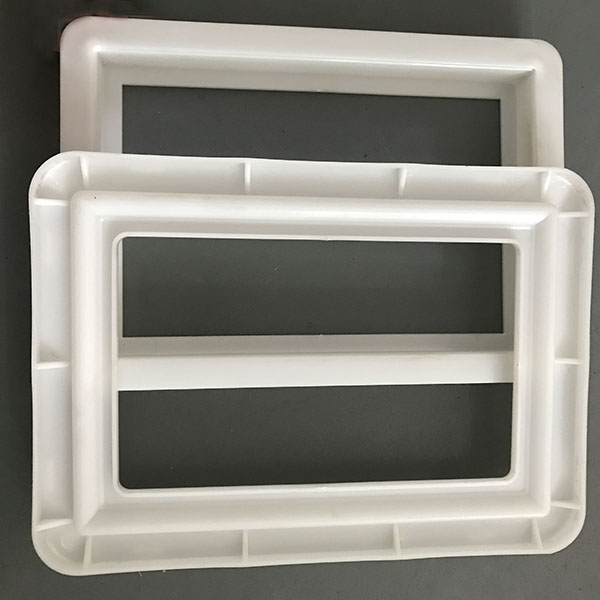
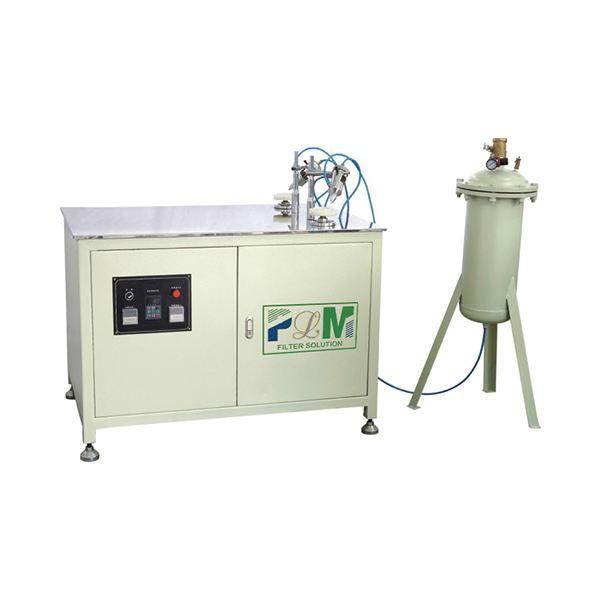
PP Spun Filter Cartridge Making Machine - High Efficiency & Quality