The demand for efficient and reliable joining solutions spans a vast range of industries, from packaging and woodworking to automotive and construction. At the heart of many modern manufacturing processes lies the gluing machine, a critical piece of equipment that ensures product integrity, streamlined production, and cost-effectiveness. Understanding its principles, applications, and ongoing advancements is vital for businesses seeking to optimize their operations and stay competitive in today’s global market.
The global adhesives and sealants market, closely linked to the functionality of a gluing machine, is projected to reach substantial growth in the coming years. According to reports, the market is driven by increasing demand from packaging, construction, and automotive sectors. This growth underscores the crucial role gluing machines play in modern supply chains and manufacturing. Challenges such as sustainability and the need for specialized adhesive formulations further emphasize the importance of continuous innovation in this field.
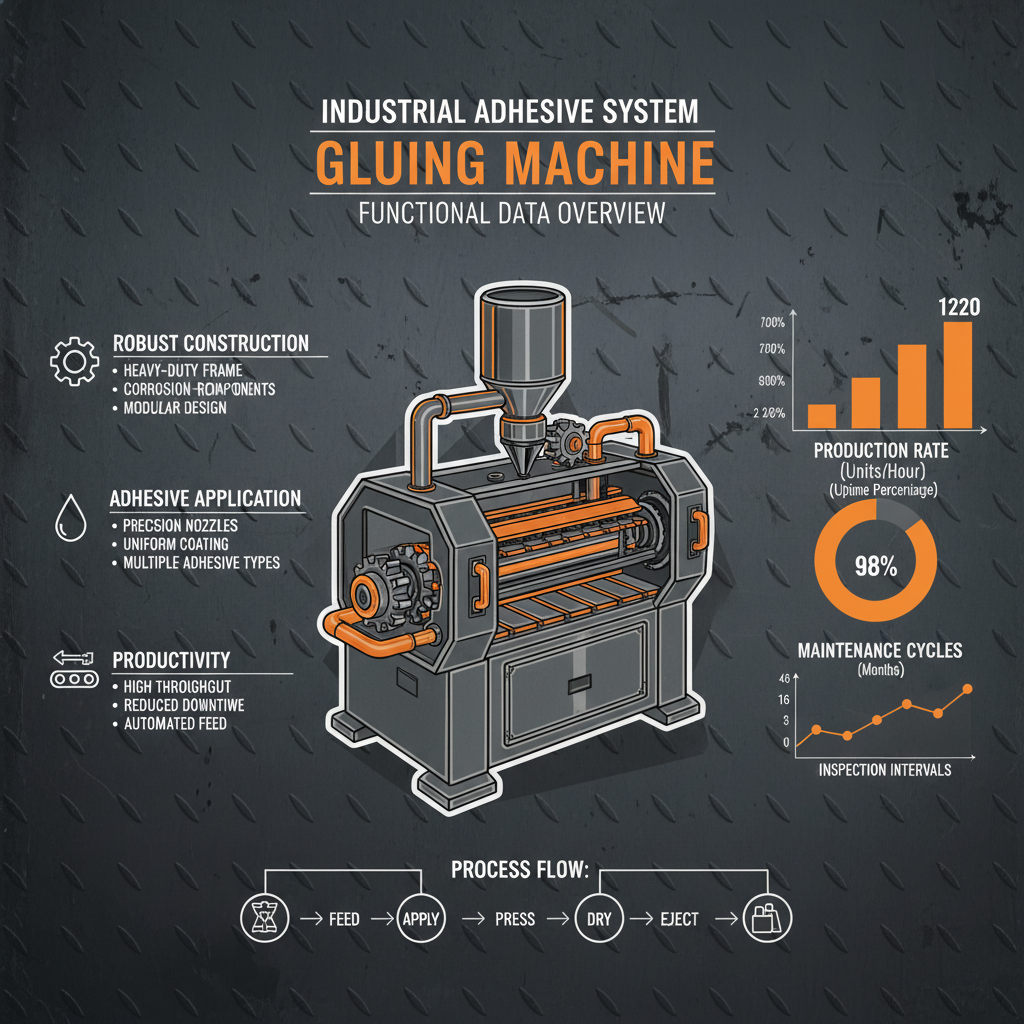
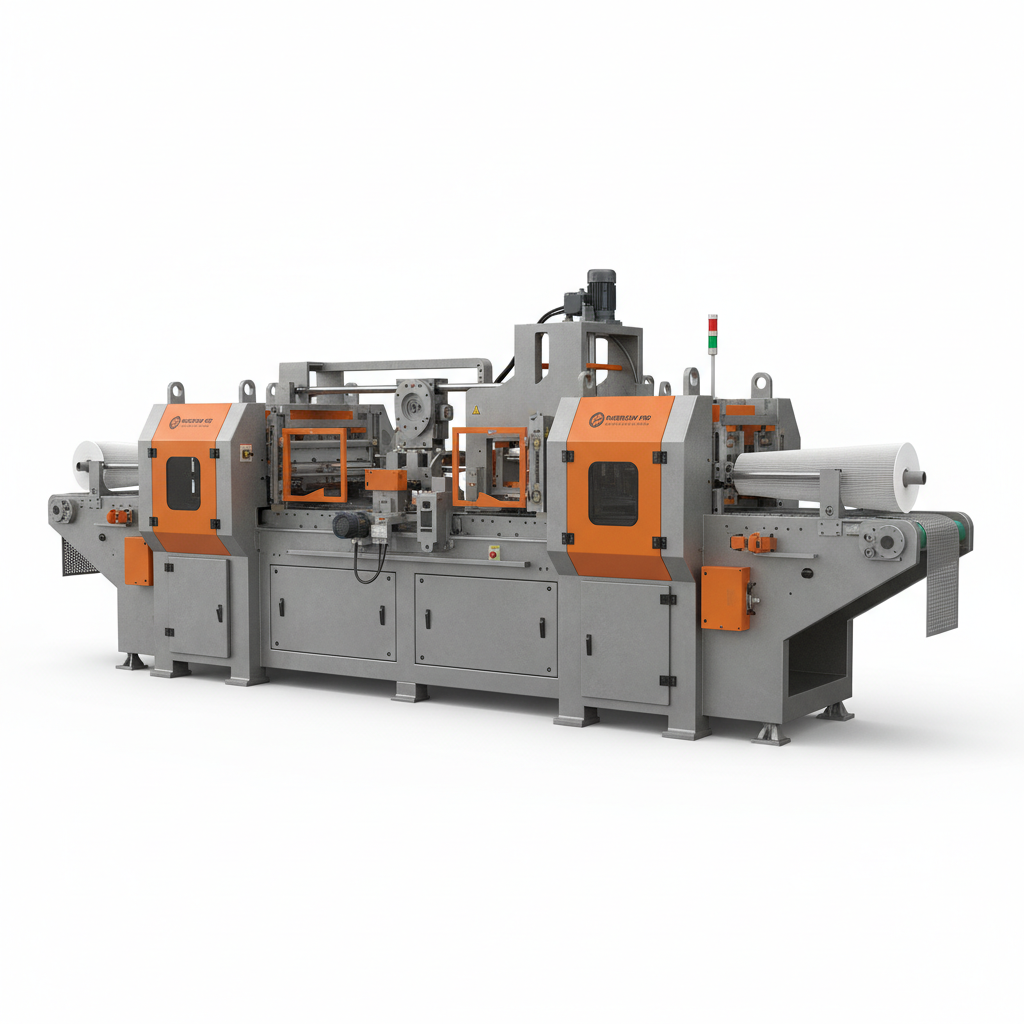
A gluing machine is an automated system designed to apply adhesive substances to surfaces, bonding materials together. Unlike manual methods, these machines offer precision, speed, and consistency. They are integral to creating durable, high-quality products in countless applications. From the simple application of glue to cardboard boxes to the complex bonding of automotive components, the gluing machine enables modern production on a scale previously unimaginable.
The Global Significance of Gluing Machines
The widespread use of gluing machines is a testament to their indispensable role in modern manufacturing. From the mass production of consumer goods to the specialized fabrication of complex industrial components, these machines provide a consistent and reliable bonding process. The United Nations Sustainable Development Goals (SDGs), particularly those related to responsible consumption and production (SDG 12), are implicitly supported by the efficiency gains offered by advanced gluing technology, minimizing waste and maximizing resource utilization.
The demand for gluing machines is not limited to developed nations. Rapid industrialization in emerging economies, particularly in Asia and South America, drives significant growth in the market. This is fuelled by the expanding packaging, automotive, and construction sectors in these regions. The ability of these machines to automate processes and reduce labor costs is particularly attractive in environments where labor costs are rising.
Defining the Gluing Machine
At its core, a gluing machine is a device that accurately and consistently applies adhesives to one or more surfaces. These machines vary dramatically in complexity, ranging from simple manual dispensers to fully automated robotic systems. The defining characteristic is the precision and control they offer over the adhesive application process, leading to stronger, more durable bonds than can be reliably achieved by hand.
The connection to modern industry is undeniable. Virtually every manufactured product relies on some form of adhesive bonding. Consider the packaging industry, where gluing machines are essential for sealing cartons, applying labels, and assembling corrugated boxes. Similarly, in the automotive industry, adhesives replace traditional welding and riveting in many applications, reducing weight and improving structural integrity.
Beyond manufacturing, gluing machines are also playing an increasingly important role in addressing humanitarian needs. In the construction of emergency shelters, for example, they can be used to quickly and efficiently assemble prefabricated components, providing rapid housing solutions in disaster-stricken areas.
Core Components and Operational Factors
Several key factors dictate the performance and suitability of a gluing machine. These include the adhesive application method – spray, roll, bead, or foam – each suited to different materials and bond requirements. The precision of the application head, the control system governing adhesive flow, and the overall machine mechanics are also critical aspects to consider.
Durability is paramount. Industrial gluing machines are often subjected to harsh environments and continuous operation, requiring robust construction and high-quality components. Scalability is another crucial consideration; a machine that can easily adapt to changing production volumes and product specifications offers significant long-term value. Cost efficiency, encompassing both the initial purchase price and ongoing maintenance costs, is also a vital factor.
Furthermore, the compatibility of the machine with different adhesive types—hot melt, water-based, solvent-based, and reactive adhesives—is essential. Each adhesive has unique properties, requiring specific application parameters and machine configurations. Finally, the level of automation, ranging from semi-automatic to fully robotic, dictates the machine's speed, precision, and labor requirements.
Applications Across Industries
The applications of gluing machines are incredibly diverse. In the packaging industry, they are used to create boxes, cartons, and labels at high speeds. The woodworking industry relies on them for furniture assembly, edge banding, and veneer application. The automotive sector utilizes gluing machines for bonding interior components, sealing windshields, and assembling body panels.
The textile industry employs these machines for laminating fabrics, applying interlinings, and bonding materials for clothing and upholstery. In the bookbinding industry, gluing machines are essential for creating durable and aesthetically pleasing book covers and bindings. Even in the medical device industry, precision gluing is critical for assembling complex components.
Average Bonding Strength by Gluing Machine Method
Advantages and Long-Term Value Proposition
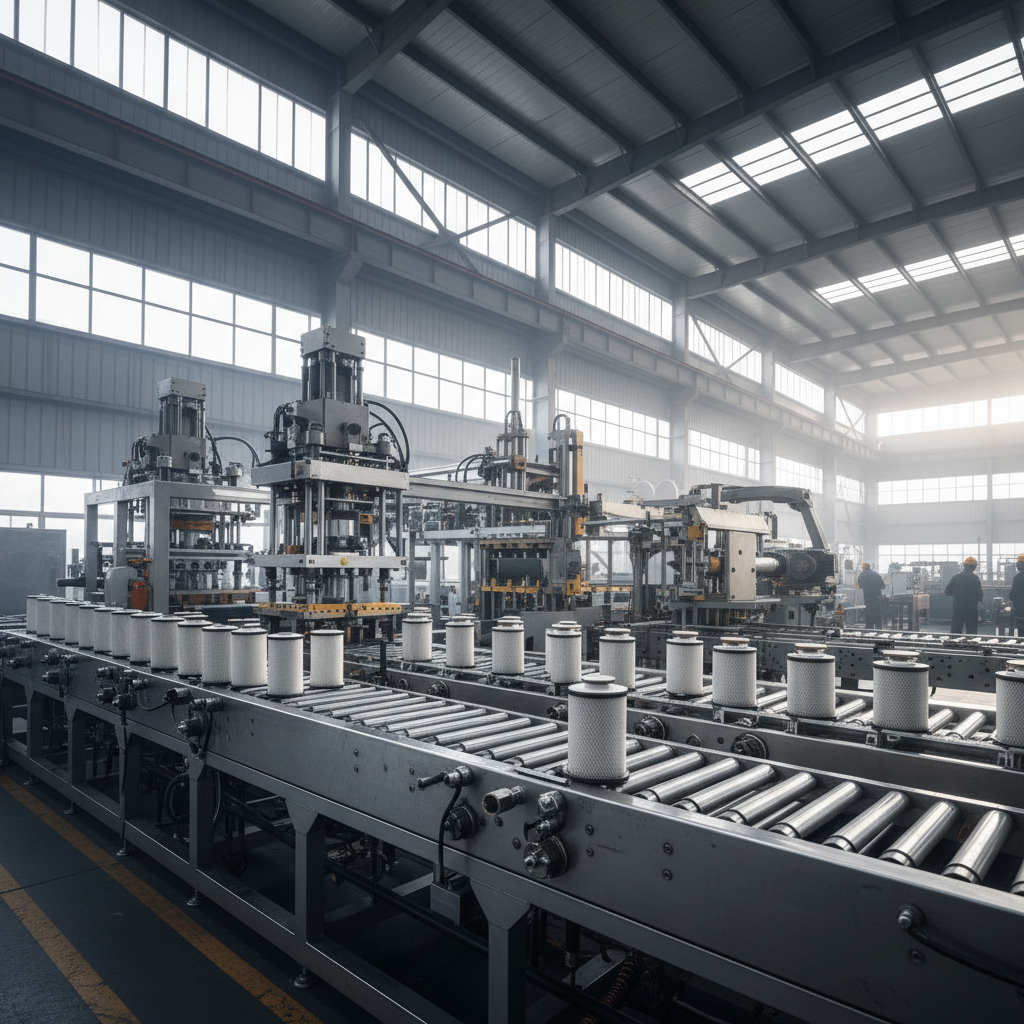
The benefits of investing in a gluing machine are substantial. Tangible advantages include reduced labor costs, increased production speed, and improved product quality. The precision of these machines minimizes material waste and ensures consistent bonding, leading to lower overall costs. Moreover, the use of automated gluing systems enhances workplace safety by reducing the risk of repetitive strain injuries and exposure to hazardous adhesives.
Beyond the economic benefits, gluing machines contribute to sustainability through efficient adhesive application and reduced waste. Their reliability minimizes downtime and ensures consistent production, fostering trust and strengthening relationships with customers. The continuous innovation in this field, driven by demand for greener adhesives and more efficient machines, further enhances their long-term value.
Future Trends in Gluing Machine Technology
The future of gluing machines is characterized by increasing automation, digitalization, and sustainability. We are seeing a growing trend towards robotic gluing systems that can handle complex geometries and perform intricate bonding tasks with unparalleled precision. Integration with industrial IoT (IIoT) platforms enables real-time monitoring of machine performance, predictive maintenance, and remote diagnostics.
The development of smart adhesives that can self-adjust to changing conditions and provide real-time feedback on bond strength is another exciting area of innovation. Furthermore, there is a growing focus on eco-friendly adhesives and sustainable manufacturing practices, driving demand for gluing machines that can efficiently apply these materials.
Challenges and Innovative Solutions
Despite their many advantages, gluing machines face several challenges. Maintaining consistent adhesive viscosity and temperature can be difficult, particularly in fluctuating environmental conditions. Ensuring proper surface preparation and preventing air bubbles are also critical for achieving strong, reliable bonds. Furthermore, the cost of specialized adhesives and the need for skilled technicians to operate and maintain these machines can be significant.
Innovative solutions are emerging to address these challenges. Closed-loop control systems that automatically adjust adhesive flow and temperature based on real-time feedback are becoming increasingly common. Advanced surface treatment technologies, such as plasma etching, enhance adhesion and improve bond strength. And the development of user-friendly machine interfaces and remote diagnostic tools is making gluing machines more accessible to a wider range of users.
The adoption of AI and machine learning algorithms for process optimization and predictive maintenance promises to further enhance the performance and reliability of gluing machines in the years to come.
Core Operational Parameters for Gluing Machines
| Adhesive Type |
Application Speed (m/min) |
Temperature Control Accuracy (°C) |
Maintenance Frequency (Months) |
| Hot Melt |
30-60 |
±2 |
6 |
| Water-Based |
15-40 |
±3 |
3 |
| Solvent-Based |
20-50 |
±2.5 |
9 |
| Reactive Acrylic |
10-30 |
±1.5 |
12 |
| Polyurethane |
12-35 |
±2 |
8 |
| Cyanoacrylate |
5-20 |
±1 |
6 |
FAQS
Hot melt machines use thermoplastic adhesives that are solid at room temperature and become liquid when heated. They offer fast setting times and strong bonds, ideal for packaging. Water-based machines use adhesives dissolved in water, requiring longer drying times but are more environmentally friendly. The choice depends on the application's speed, strength, and sustainability requirements. Proper machine selection for the adhesive type is essential for optimal performance.
Maintenance frequency varies based on machine usage and type. Generally, daily cleaning of the adhesive application head is crucial to prevent clogging. Monthly inspections of hoses, filters, and heating elements are recommended. Annually, a professional service is advisable to inspect and calibrate the entire system, ensuring optimal performance and preventing costly breakdowns. Refer to the manufacturer’s manual for specific guidelines.
Automated gluing machines can handle a wide range of adhesives, including hot melt, water-based, solvent-based, reactive acrylics, polyurethane, and cyanoacrylates. However, machine compatibility depends on the specific adhesive application system (spray, roll, bead). Ensuring the machine's components are chemically resistant to the chosen adhesive is essential for longevity and performance.
Inconsistent adhesive application can be caused by several factors. First, check the adhesive viscosity and temperature. Ensure the application head is clean and free of obstructions. Verify that the adhesive supply system is functioning correctly and delivering consistent pressure. Finally, examine the substrate surface for contamination or improper preparation. Addressing these issues often resolves inconsistencies.
Safety is paramount when operating a gluing machine. Always wear appropriate personal protective equipment (PPE), including safety glasses and gloves. Be mindful of hot surfaces and moving parts. Ensure adequate ventilation to avoid inhaling adhesive fumes. Follow the manufacturer's safety guidelines and receive proper training before operating the machine. Regular inspections are essential.
The ROI for a gluing machine varies depending on the application and production volume. However, businesses typically experience a significant ROI through reduced labor costs, increased production speed, improved product quality, and minimized material waste. A well-chosen machine can often pay for itself within 1-3 years, leading to long-term cost savings and increased profitability.
Conclusion
In conclusion, gluing machines represent a cornerstone of modern manufacturing and packaging. Their ability to deliver precise, efficient, and reliable bonding solutions translates into significant cost savings, improved product quality, and enhanced sustainability. From simple applications to complex industrial processes, these machines are indispensable for businesses seeking to optimize their operations and remain competitive in a dynamic global market.
Looking ahead, the future of gluing machine technology is poised for continued innovation. Investments in automation, digitalization, and eco-friendly adhesives will drive further improvements in performance, efficiency, and sustainability. Businesses that embrace these advancements will be well-positioned to reap the benefits of this evolving technology. Visit our website at www.mfiltersolution.com to learn more about our comprehensive range of gluing solutions.