The global demand for efficient and reliable truck air filtration systems is steadily increasing, driven by stricter emission regulations, the need for enhanced engine performance, and a growing emphasis on minimizing vehicle downtime. This has fueled a significant market for truck air filters making machine, as manufacturers seek to meet this demand with cost-effective and high-quality production solutions. Understanding the intricacies of these machines – from their core components to their emerging technologies – is crucial for businesses looking to capitalize on this expanding market.
The impact extends beyond commercial trucking, influencing industries reliant on heavy-duty vehicles such as logistics, construction, mining, and agriculture. Efficient air filtration contributes to longer engine life, reduced fuel consumption, and lower maintenance costs, all of which translate to significant economic benefits. Investing in advanced truck air filters making machine is therefore not just about production efficiency, but also about supporting sustainable and profitable operations across various sectors.
Furthermore, the development of innovative filter materials and manufacturing processes is paramount in addressing evolving environmental concerns. Truck air filters making machine play a pivotal role in enabling the production of filters that meet increasingly stringent emission standards, contributing to a cleaner and healthier environment.
The Importance of Truck Air Filters Making Machine
The efficient production of high-quality truck air filters is paramount for maintaining the performance and longevity of commercial vehicles. A dedicated truck air filters making machine streamlines this process, ensuring consistent filter quality and reducing manufacturing costs. Without specialized machinery, filter production can be labor-intensive and prone to inconsistencies, impacting vehicle efficiency and potentially leading to engine damage.
The significance of reliable air filtration extends beyond engine protection; it also plays a vital role in reducing harmful emissions and contributing to a cleaner environment. Modern truck air filters making machine are designed to accommodate advanced filter media and manufacturing techniques, facilitating the production of filters that meet increasingly stringent environmental regulations.
Defining Truck Air Filters Making Machine
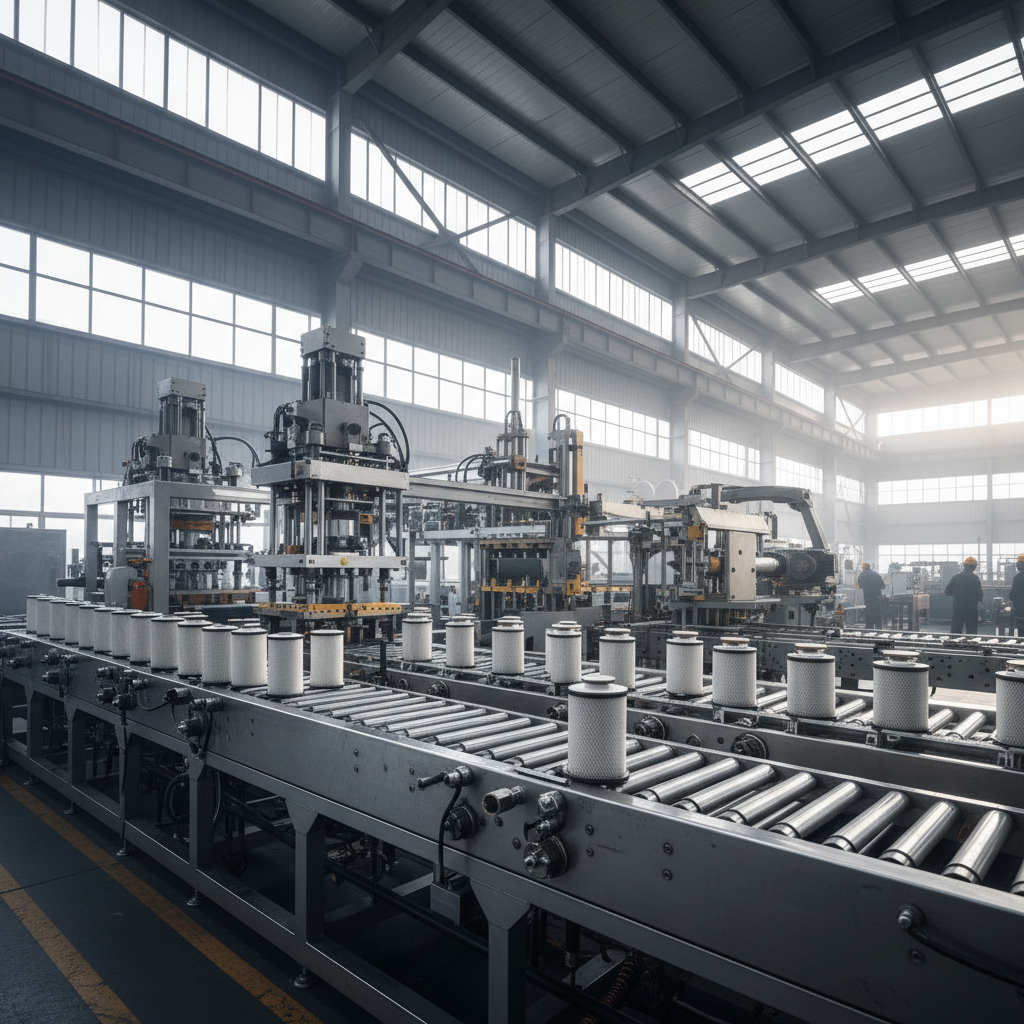
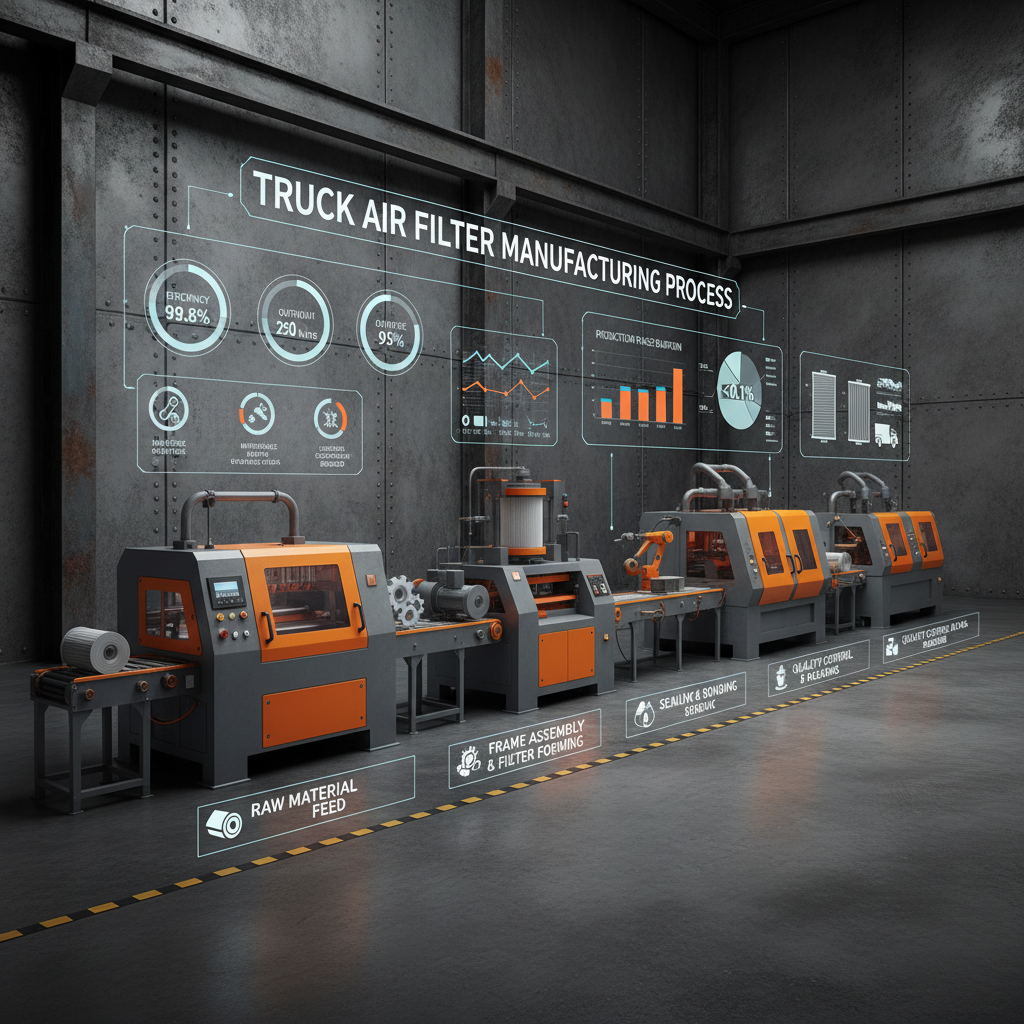
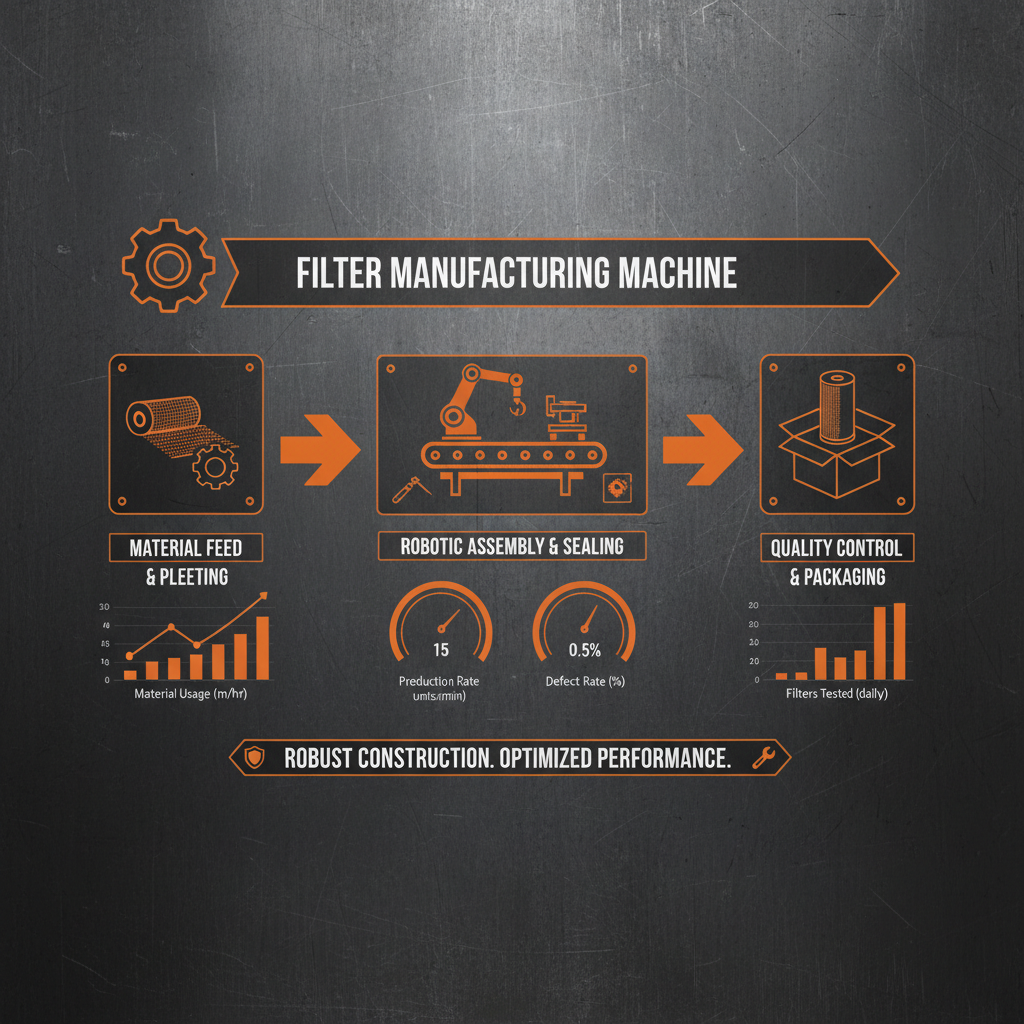
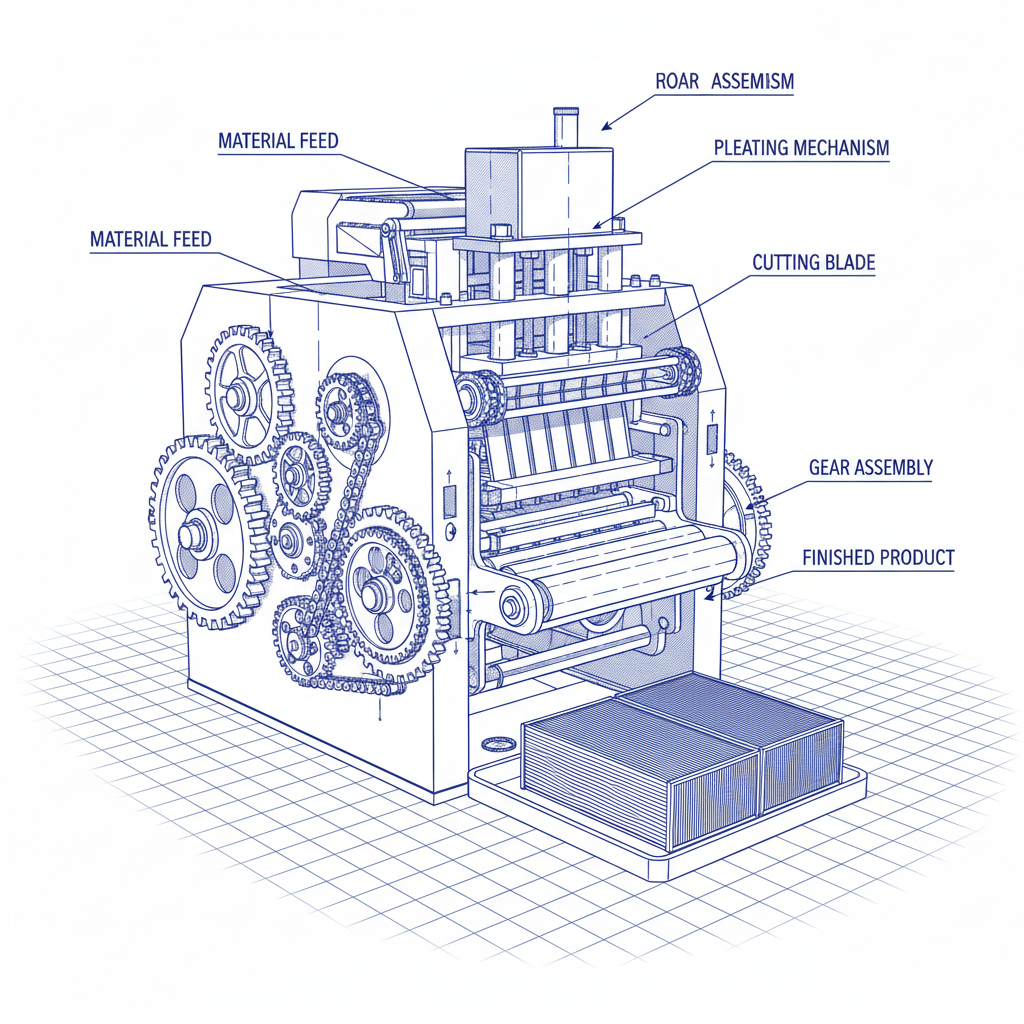
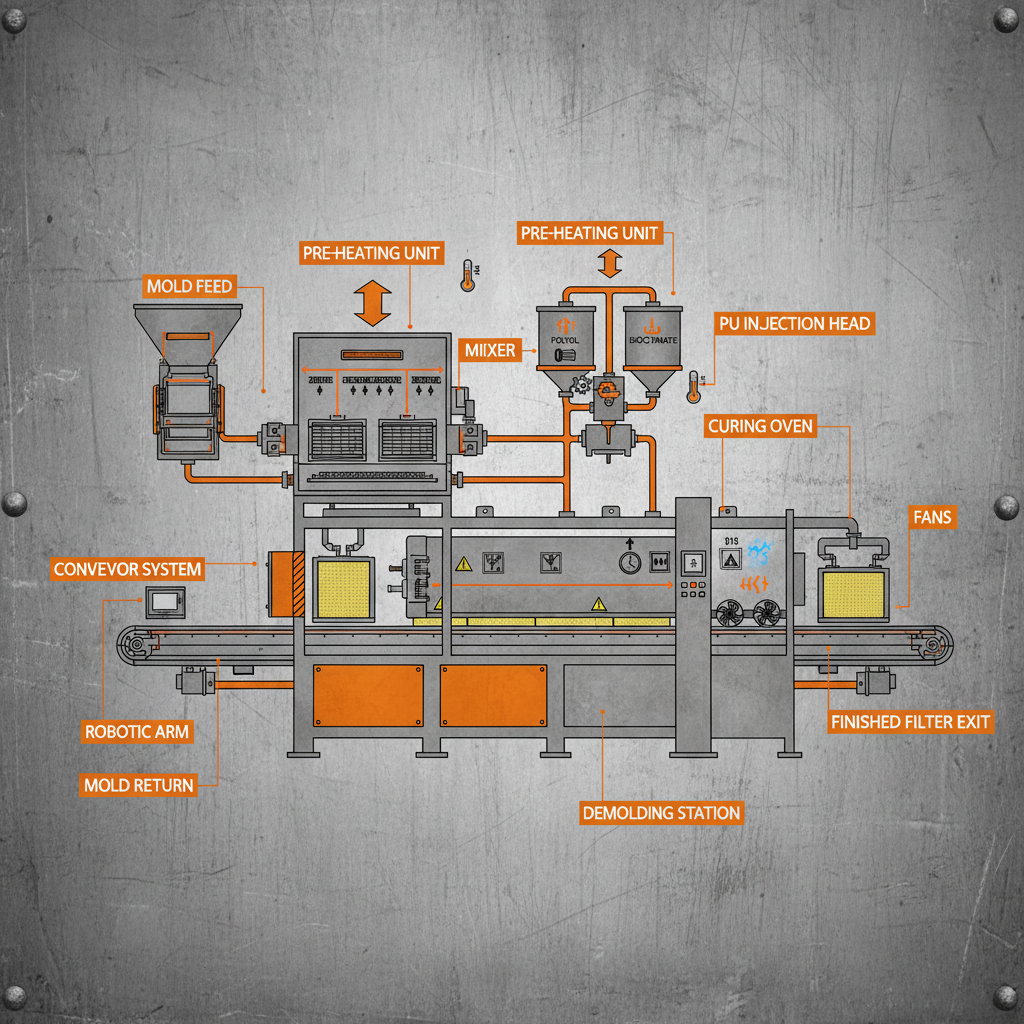
A truck air filters making machine is an automated or semi-automated system designed for the mass production of air filters specifically tailored for trucks, buses, and other heavy-duty vehicles. These machines typically encompass a series of processes, including media cutting, pleating, bonding, sealing, and quality control. They are engineered to produce filters of various sizes, shapes, and filtration efficiencies.
The complexity of these machines can vary significantly, ranging from basic, manually-operated units to highly sophisticated, fully-automated systems. Fully automated machines often incorporate robotic arms, computer vision systems, and advanced control algorithms to optimize production efficiency and minimize human error.
Ultimately, the purpose of a truck air filters making machine is to deliver a consistent supply of high-quality air filters that protect engines from harmful contaminants, ensuring optimal vehicle performance and reducing environmental impact.
Core Components and Technical Specifications
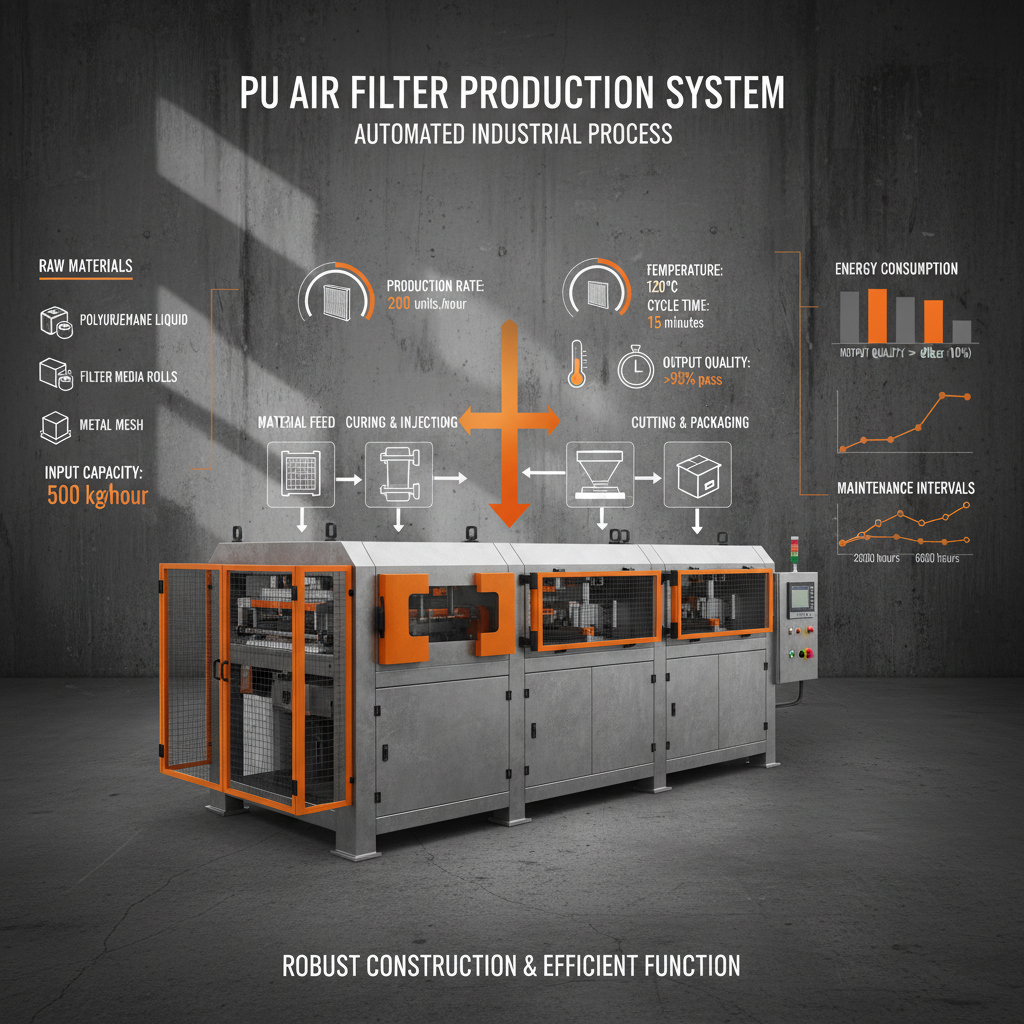
The core of any truck air filters making machine lies in its ability to process filter media accurately and efficiently. Key components include a media unwinding and feeding system, a pleating machine (for pleated filters), a hot melt adhesive applicator, a sealing mechanism, and a quality control station. These components work in concert to transform raw materials into finished filters.
Technical specifications vary depending on the machine's capabilities. Important factors to consider include production capacity (filters per hour), filter size range, media compatibility (e.g., cellulose, synthetic), automation level, power requirements, and footprint. Machines often boast programmable logic controllers (PLCs) for precise control and data logging.
Modern machines frequently incorporate features such as automatic defect detection, real-time monitoring of production parameters, and remote diagnostics. This allows for proactive maintenance and optimized performance, minimizing downtime and maximizing output.
Key Factors Influencing Machine Performance
Several factors directly impact the performance of a truck air filters making machine. These include the precision of the media cutting and pleating mechanisms, the consistency of the adhesive application, and the effectiveness of the sealing process. Inaccurate cutting or pleating can lead to reduced filtration efficiency and premature filter failure.
Material quality also plays a significant role. Using high-grade filter media and adhesive materials is crucial for producing durable and reliable filters. Additionally, proper machine maintenance and regular calibration are essential for maintaining optimal performance over time.
truck Air Filters Making Machine Performance Metrics
Global Applications and Industry Integration
Truck air filters making machine are utilized globally by a diverse range of manufacturers, from large-scale filter producers to smaller, specialized companies. Major manufacturing hubs are located in countries like China, India, Germany, and the United States. These machines are integral to supplying the automotive, logistics, and transportation industries.
In post-disaster relief operations, a portable truck air filters making machine can be deployed to provide a local source of essential filters for emergency vehicles and equipment. Similarly, in remote industrial zones, such as mining operations or oil fields, on-site filter production can significantly reduce logistical challenges and downtime.
Advantages and Long-Term Value Proposition
Investing in a high-quality truck air filters making machine offers numerous advantages, including reduced production costs, improved filter quality, increased production capacity, and greater control over the manufacturing process. Automation minimizes labor costs and reduces the risk of human error, leading to more consistent product outcomes.
The long-term value extends beyond financial benefits. By enabling the production of more efficient and durable filters, these machines contribute to reduced fuel consumption, lower emissions, and extended engine life – all of which align with sustainability goals and enhance brand reputation.
Future Trends and Innovations in Manufacturing
The future of truck air filters making machine is likely to be shaped by several key trends, including the integration of Industry 4.0 technologies, the adoption of advanced materials, and a growing emphasis on sustainability. We can expect to see more machines equipped with sensors, data analytics capabilities, and artificial intelligence (AI) for predictive maintenance and process optimization.
The development of biodegradable and recyclable filter media will also drive innovation, leading to more eco-friendly manufacturing processes. Furthermore, advancements in 3D printing technology could potentially enable the creation of customized filters tailored to specific engine requirements.
Key Performance Indicators for Truck Air Filters Making Machine
| Filter Production Rate |
Defect Rate |
Material Waste |
Operating Cost |
| 600 filters/hour |
0.5% |
2% |
$0.10/filter |
| 450 filters/hour |
1.2% |
4% |
$0.15/filter |
| 800 filters/hour |
0.3% |
1% |
$0.08/filter |
| 500 filters/hour |
0.8% |
3% |
$0.12/filter |
| 700 filters/hour |
0.6% |
2.5% |
$0.09/filter |
| 400 filters/hour |
1.5% |
5% |
$0.18/filter |
FAQS
The payback period for a fully automated truck air filters making machine varies based on production volume, labor costs, and filter selling price. However, businesses typically experience a return on investment within 2-5 years due to reduced labor costs, increased production capacity, and minimized material waste. Careful cost-benefit analysis is crucial.
While modern truck air filters making machine are designed for ease of operation, a basic understanding of mechanical and electrical systems is beneficial. Most manufacturers offer comprehensive training programs for operators and maintenance personnel. Preventative maintenance, such as lubrication and filter replacement, is crucial for optimal performance.
Yes, many truck air filters making machine are designed to process a wide range of filter media, including cellulose, synthetic fibers, and blended materials. However, it's crucial to verify the machine's specifications to ensure compatibility with the specific media you intend to use. Some machines may require adjustments or additional tooling for different media types.
Safety is a paramount concern in the design of truck air filters making machine. Features commonly include emergency stop buttons, safety interlocks, guarding systems to prevent access to moving parts, and clear safety labeling. Compliance with relevant safety standards (e.g., CE, ISO) is essential.
The lead time for ordering and commissioning a truck air filters making machine can vary depending on the machine's complexity, customization requirements, and the manufacturer's production schedule. Typically, it ranges from 8 to 16 weeks. Allowing ample time for installation, training, and testing is vital for a smooth start-up.
By enabling the production of more efficient air filters, these machines help reduce fuel consumption and harmful emissions from trucks. Furthermore, optimized material usage and reduced waste contribute to a smaller environmental footprint. The ability to produce filters compatible with sustainable materials further enhances environmental performance.
Conclusion
In conclusion, truck air filters making machine are vital components of a modern, efficient, and sustainable automotive supply chain. These machines offer significant advantages in terms of production cost, filter quality, and environmental impact. The ability to produce reliable and high-performance filters is crucial for maintaining the longevity and efficiency of heavy-duty vehicles.
Looking ahead, continued innovation in automation, materials science, and data analytics will further enhance the capabilities of these machines. Investing in advanced manufacturing technologies is no longer just a competitive advantage but a necessity for businesses seeking to thrive in an increasingly demanding and environmentally conscious market. Visit our website at www.mfiltersolution.com to learn more about our solutions.