The global demand for efficient and reliable truck air filtration systems is experiencing substantial growth, driven by increasingly stringent emission regulations, the need for enhanced engine performance, and the expansion of the logistics and transportation industries. The manufacture of components for these systems, specifically truck air filter manufacturing machine, plays a critical role in supporting these demands. This sector is not only vital for maintaining air quality and reducing environmental impact but also for optimizing the operational lifespan and cost-effectiveness of commercial vehicles worldwide.
The complexities associated with producing high-quality truck air filters necessitate specialized machinery and expertise. Traditional manufacturing processes can be labor-intensive, prone to inconsistencies, and struggle to meet the escalating volume requirements of modern fleets. Investment in advanced truck air filter manufacturing machine offers a solution to these challenges, enabling manufacturers to achieve greater precision, scalability, and ultimately, a competitive edge in the market.
Understanding the intricacies of truck air filter manufacturing machine is crucial for businesses seeking to enhance their production capabilities, reduce operational costs, and contribute to a more sustainable transportation ecosystem. This knowledge is increasingly relevant as the industry shifts towards more environmentally conscious practices and embraces innovative manufacturing technologies.
The Role of Truck Air Filter Manufacturing Machine
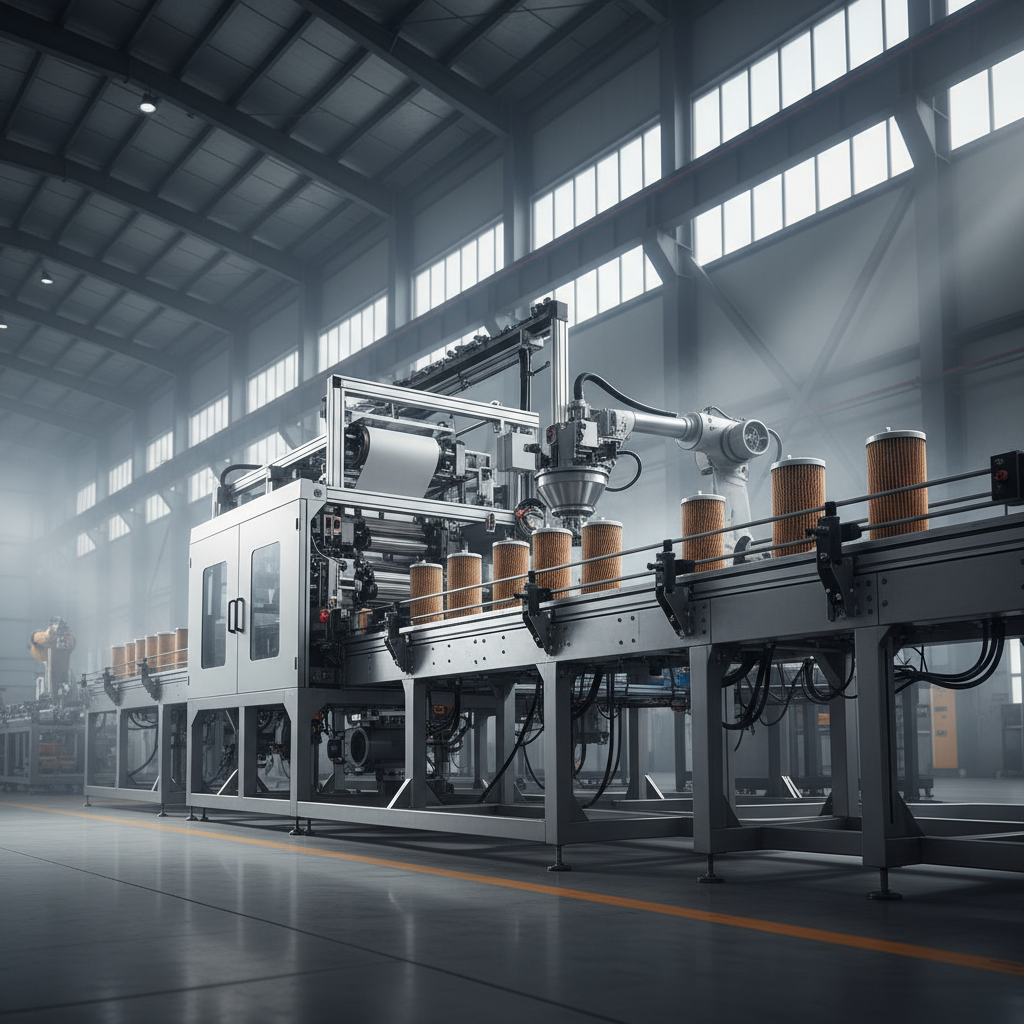
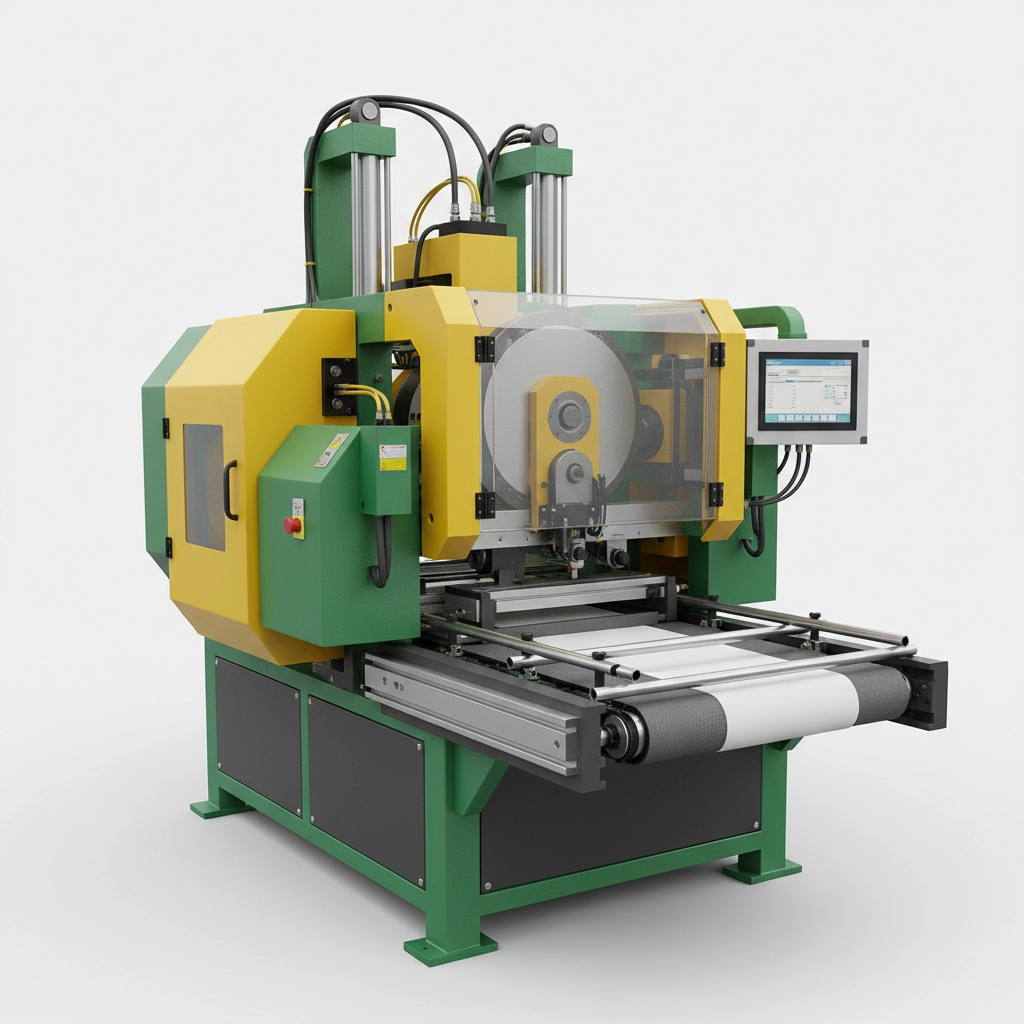
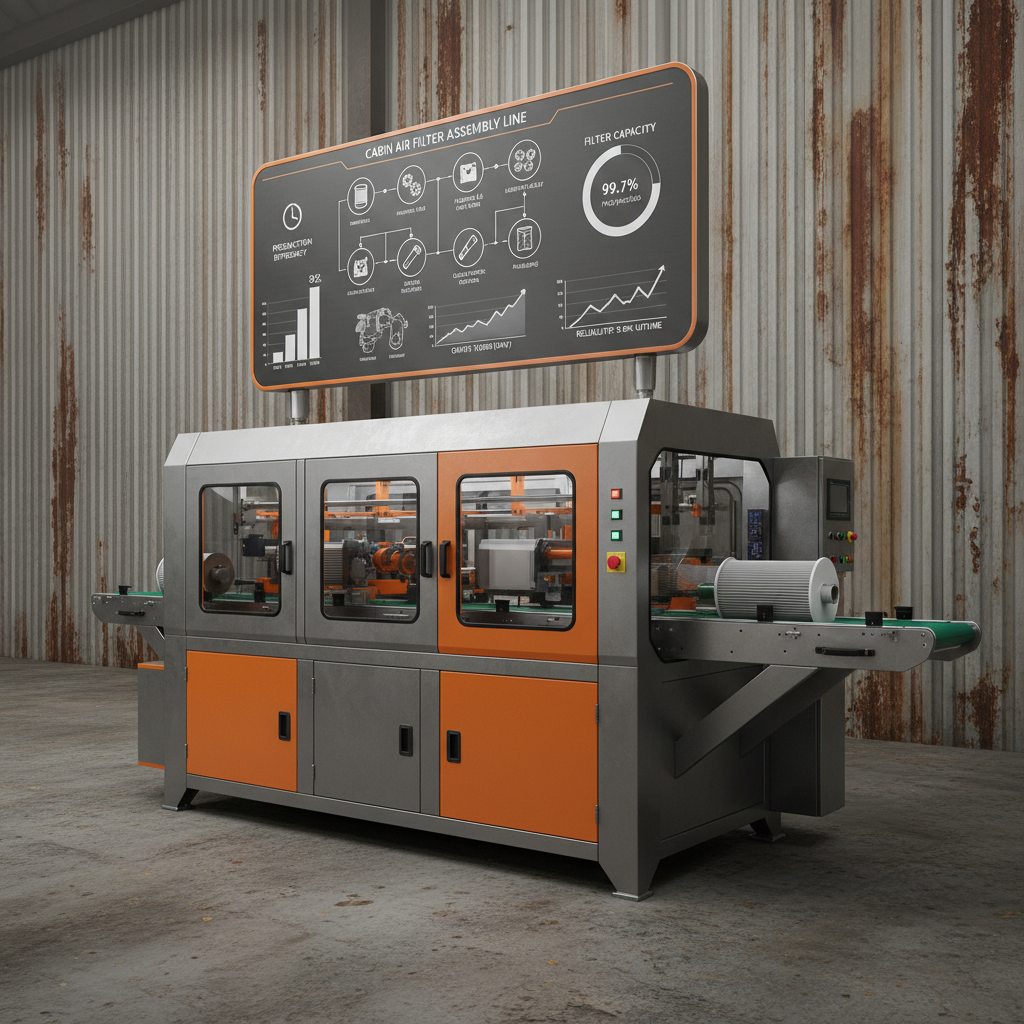
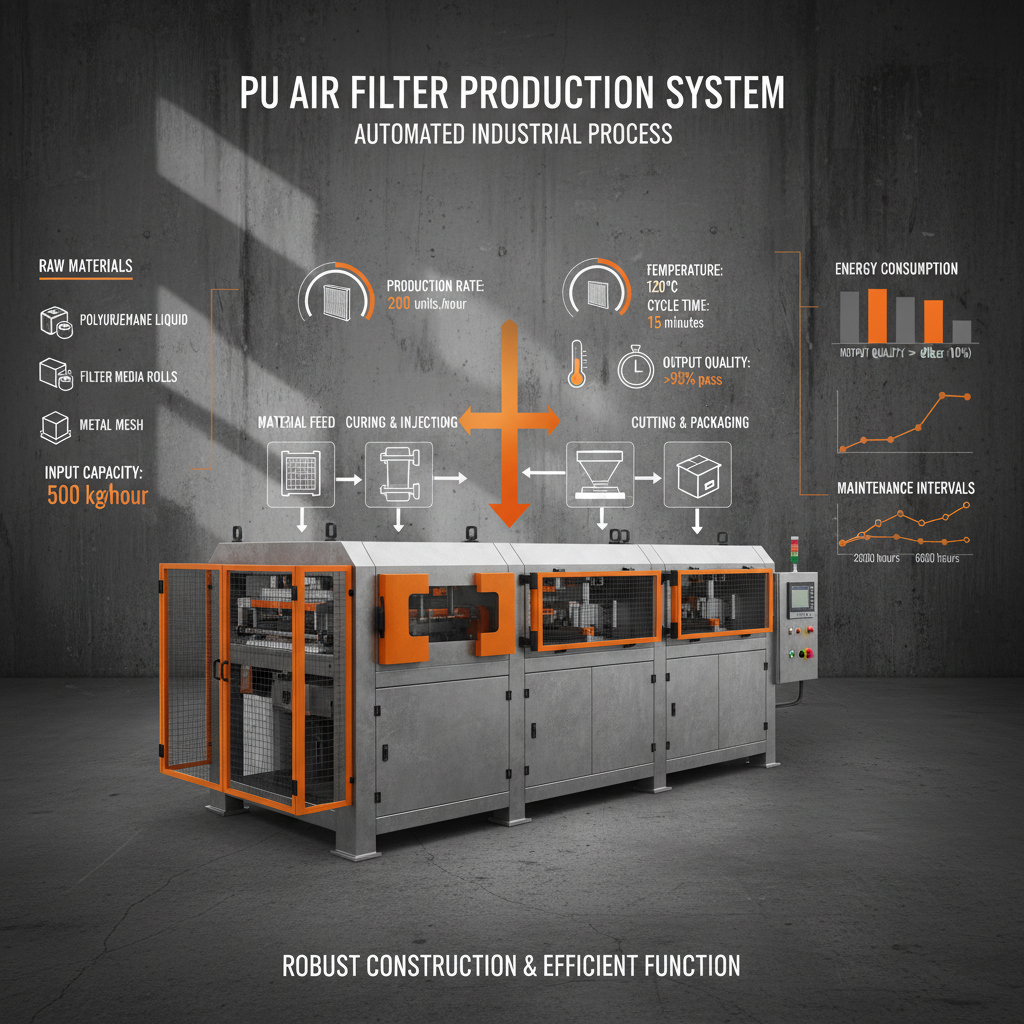
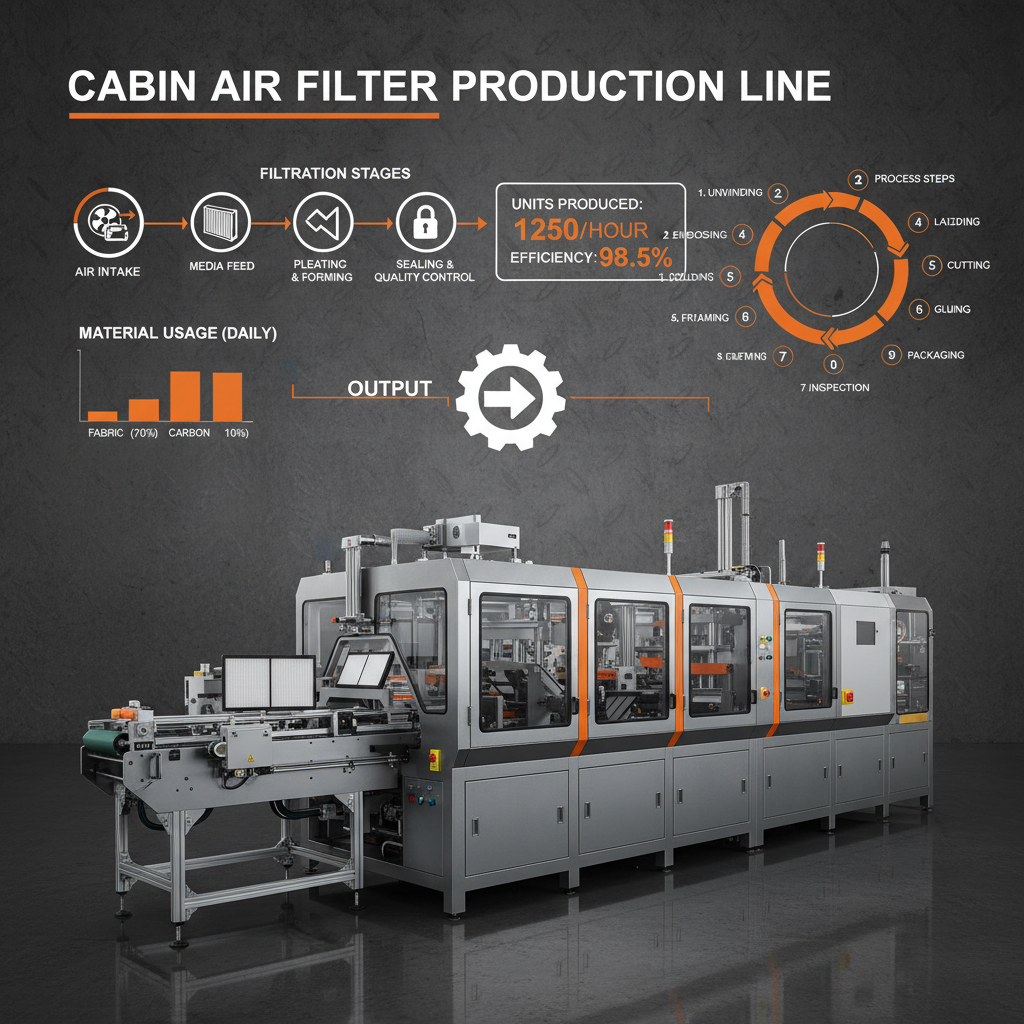
A truck air filter manufacturing machine represents a sophisticated assembly of equipment designed to automate and optimize the production of air filters crucial for maintaining the performance and longevity of truck engines. These machines encompass various stages, from media processing and pleating to sealing, testing, and packaging, ensuring consistently high-quality filters.
The importance of these machines extends beyond simple automation; they are instrumental in achieving economies of scale, reducing manufacturing defects, and responding swiftly to market demands. A well-designed truck air filter manufacturing machine allows businesses to remain competitive in a dynamic industry where precision and efficiency are paramount.
Defining Truck Air Filter Manufacturing Machine
A truck air filter manufacturing machine is a complex system of automated processes dedicated to the efficient creation of air filters used in commercial vehicles. It typically includes modules for material handling, filter media preparation (pleating or winding), frame assembly, sealing, quality control, and final packaging. The core function is to transform raw materials—such as filter paper, metal frames, and adhesives—into finished products ready for distribution.
These machines are designed to address the critical need for clean air intake in truck engines. Dirty air can cause significant engine wear, reduced fuel efficiency, and increased emissions. A properly functioning air filter, produced efficiently by a truck air filter manufacturing machine, is therefore integral to vehicle performance and environmental responsibility.
The connection to modern industry and environmental needs is strong. As emission standards become stricter globally, the demand for high-quality, consistently produced air filters rises. Manufacturing machines provide the capability to meet these demands reliably and sustainably, contributing to cleaner transportation and a reduced carbon footprint.
Core Components and Operational Factors
Several key factors define the effectiveness of a truck air filter manufacturing machine. Firstly, durability is essential; the machine must withstand continuous operation and maintain precision over extended periods. Secondly, scalability is crucial, allowing manufacturers to adjust production volume to meet fluctuating market needs.
Cost efficiency is a primary consideration, encompassing both the initial investment in the machine and ongoing operational expenses such as maintenance and energy consumption. Automation level significantly impacts this factor, with more automated systems often yielding lower long-term costs. Furthermore, the machine’s adaptability to different filter designs and materials is critical for catering to diverse customer requirements.
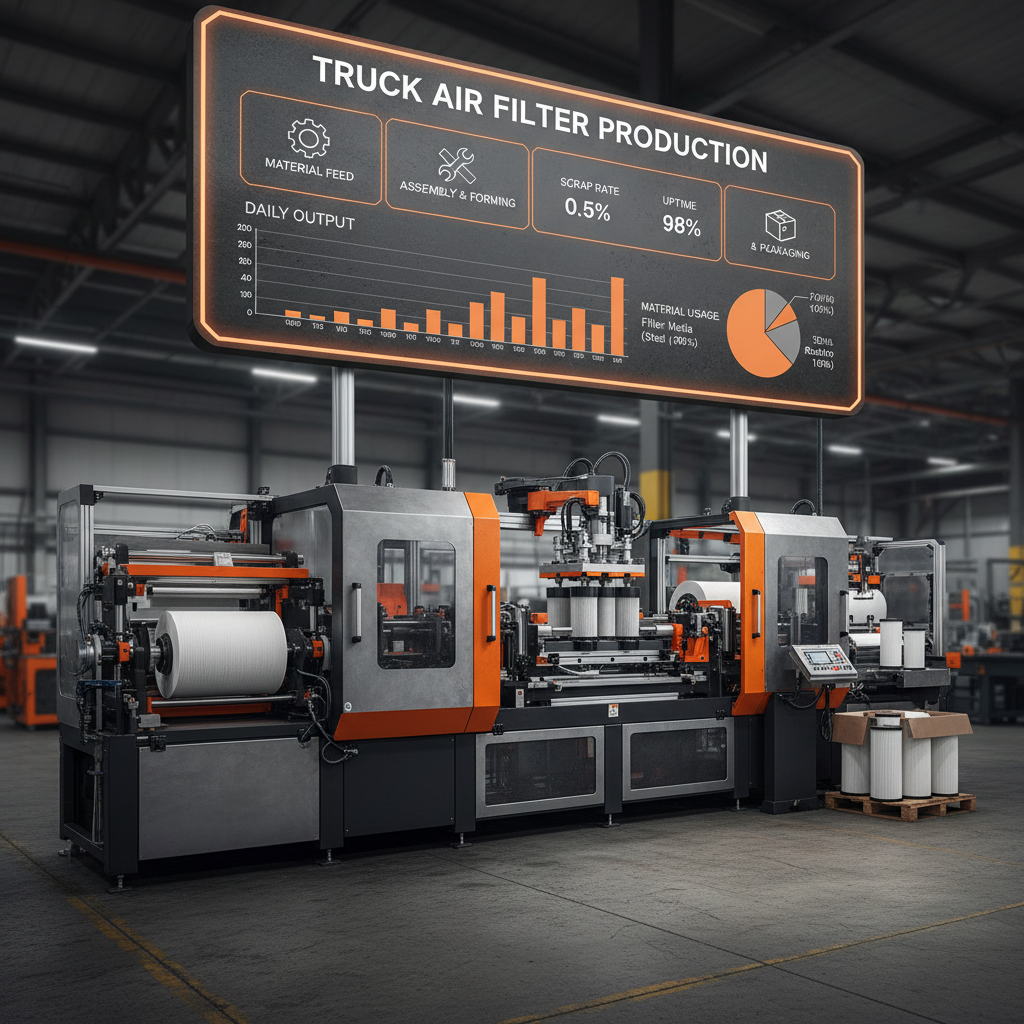
Finally, data analytics and quality control integration are increasingly important. Modern truck air filter manufacturing machine often incorporate sensors and software to monitor production parameters, identify potential defects, and provide valuable insights for process optimization.
Global Applications and Industry Integration
Truck air filter manufacturing machines are deployed globally, servicing the needs of automotive component suppliers, original equipment manufacturers (OEMs), and aftermarket filter producers. Major manufacturing hubs are located in countries such as China, Germany, the United States, and India, reflecting the concentration of automotive production and logistics infrastructure in these regions.
The machines find application across diverse industries including heavy-duty trucking, bus transportation, construction, agriculture, and mining – all sectors heavily reliant on robust and reliable air filtration systems. In remote industrial zones, where access to skilled labor may be limited, automated truck air filter manufacturing machine provide a vital solution for maintaining production capacity.
Furthermore, in post-disaster relief operations, the demand for trucks and heavy equipment surges, driving up the need for replacement air filters. Manufacturers equipped with efficient production capabilities can play a critical role in supporting these emergency response efforts.
Truck Air Filter Manufacturing Machine Performance Metrics
Advantages and Long-Term Value Proposition
Investing in a truck air filter manufacturing machine delivers a multitude of tangible benefits. Reduced labor costs, minimized material waste, and consistent product quality all contribute to significant cost savings. Enhanced production capacity allows manufacturers to meet growing demand and capitalize on market opportunities.
Beyond economic advantages, these machines promote sustainability by optimizing resource utilization and minimizing environmental impact. The reliability and durability of modern equipment ensure consistent performance and reduce the risk of costly downtime. This translates to increased operational efficiency and a stronger competitive position in the marketplace, fostering trust with clients and partners.
Future Trends and Technological Advancements
The future of truck air filter manufacturing machine is closely tied to advancements in automation, digitalization, and sustainable manufacturing practices. We can anticipate increased integration of AI-powered quality control systems, predictive maintenance algorithms, and real-time data analytics.
The development of more eco-friendly filter materials, coupled with optimized machine designs that minimize energy consumption and waste generation, will be critical for achieving greater sustainability. Furthermore, the implementation of Industry 4.0 principles, such as connected machines and cloud-based data management, will enable greater flexibility, efficiency, and responsiveness to evolving market needs.
Challenges and Innovative Solutions
Despite the numerous benefits, challenges remain in the field of truck air filter manufacturing machine. These include the high initial investment costs, the need for skilled technicians to operate and maintain the equipment, and the continuous pressure to adapt to changing filter designs and materials.
Innovative solutions are emerging to address these challenges. Leasing and financing options are making advanced machinery more accessible to smaller manufacturers. Remote diagnostics and preventative maintenance programs are reducing downtime and minimizing maintenance costs. Modular machine designs are offering greater flexibility and adaptability to diverse production requirements.
Furthermore, collaborative partnerships between machine manufacturers and filter producers are fostering a more agile and responsive supply chain, enabling faster innovation and improved product quality.
Summary of Key Challenges and Solutions in Truck Air Filter Manufacturing Machine
| Challenge |
Impact on Production |
Potential Solution |
Implementation Cost (Scale 1-10) |
| High Initial Investment |
Barriers to Entry for Smaller Manufacturers |
Leasing/Financing Options |
4 |
| Skilled Labor Shortage |
Reduced Machine Uptime & Quality Control |
Remote Diagnostics & Training Programs |
6 |
| Material Waste |
Increased Production Costs & Environmental Impact |
Optimized Cutting & Material Handling Systems |
5 |
| Adapting to New Filter Designs |
Production Delays & Increased R&D Costs |
Modular Machine Designs |
7 |
| Quality Control Inconsistencies |
Product Defects & Customer Dissatisfaction |
AI-Powered Quality Inspection Systems |
8 |
| Supply Chain Disruptions |
Production Delays & Increased Costs |
Diversified Supplier Network & Local Sourcing |
3 |
FAQS
The payback period for a truck air filter manufacturing machine varies depending on production volume, existing operational costs, and market demand. However, most manufacturers experience a full return on investment within 2-5 years due to reduced labor costs, decreased material waste, and increased production capacity. Careful analysis of specific business needs is crucial for accurate projections.
While modern truck air filter manufacturing machine are designed with user-friendliness in mind, a degree of technical expertise is necessary for optimal operation and maintenance. This includes understanding basic mechanics, electrical systems, and programmable logic controllers (PLCs). Manufacturers often provide comprehensive training programs to equip operators with the required skills.
The adaptability of a truck air filter manufacturing machine depends on its design. Modular machines offer the greatest flexibility, allowing for quick changeovers and adjustments to accommodate different filter media and designs. It’s essential to consider your product range when selecting a machine to ensure it can handle your current and future needs.
Safety is a paramount concern in the design of truck air filter manufacturing machine. Common safety features include emergency stop buttons, safety guards, light curtains, and interlocking systems to prevent accidental operation during maintenance. Compliance with relevant safety standards (e.g., ISO 13849) is crucial.
Power consumption varies significantly depending on the machine's size, automation level, and production capacity. Generally, a fully automated truck air filter manufacturing machine may consume between 10kW to 50kW. Energy-efficient designs and optimized operating parameters can help minimize power consumption and reduce overall costs.
Regular preventative maintenance is crucial for ensuring the longevity and reliable operation of a truck air filter manufacturing machine. A typical schedule includes daily inspections, monthly lubrication, and annual component replacements. Following the manufacturer's recommendations is essential to avoid costly breakdowns and maintain optimal performance.
Conclusion
In conclusion, the truck air filter manufacturing machine represents a vital component in the modern automotive supply chain. Its ability to streamline production, enhance quality control, and reduce costs makes it an indispensable investment for manufacturers seeking to thrive in a competitive market. As emission standards continue to tighten and the demand for commercial vehicles grows, the importance of these machines will only increase.
Looking ahead, continued innovation in automation, digitalization, and sustainable manufacturing will further enhance the capabilities of truck air filter manufacturing machine. By embracing these advancements, manufacturers can unlock new levels of efficiency, reduce their environmental impact, and solidify their position as leaders in the industry. To learn more about our range of solutions, visit our website: www.mfiltersolution.com